

Zainab Hussain is a distinguished e-commerce strategist whose deep understanding of consumer engagement and operations management has made her a leading voice in the evolution of modern retail. With years of experience navigating the shift from traditional brick-and-mortar models to the
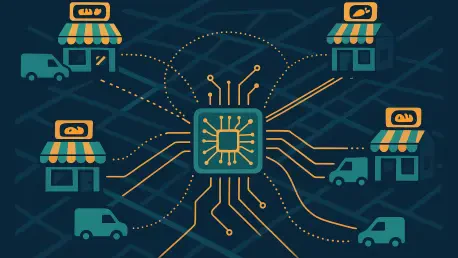
Digital tools that once lived exclusively behind the heavy iron curtains of multinational corporate budgets are now flowing freely into the hands of local Hungarian shopkeepers and regional grocery chains. The Fast-Moving Consumer Goods (FMCG) sector in Hungary is undergoing a fundamental

High enrollment numbers in convenience store loyalty programs often provide a misleading sense of success if they fail to translate into consistent customer interaction. For years, the industry relied on simple accumulation metrics, yet modern retail environments in 2026 demand a much deeper

The Dawn of AI-Mediated Commerce and the Shift in Consumer Behavior The traditional relationship between brands and buyers is dissolving as consumers increasingly delegate their decision-making processes to sophisticated artificial intelligence agents. As these tools move from back-end assistance

Zainab Hussain is a distinguished e-commerce strategist who has spent years navigating the complexities of customer engagement and retail operations management. Her expertise lies in bridge-building between emerging digital tools and traditional brick-and-mortar logistics, making her a vital voice

The marketing department of a global retailer recently discovered that their analysts were spending over forty percent of their weekly hours simply toggling between disconnected data visualizations and manual reporting tools. This fragmentation of information has long been the silent killer of