
Zainab Hussain is a distinguished e-commerce strategist and operations expert who has spent years dissecting the intersection of digital efficiency and physical brand presence. As the retail landscape undergoes a seismic shift, she offers a seasoned perspective on the long-awaited Broeklin project—a massive endeavor that has spent two decades evolving from a controversial shopping center concept into a blueprint for sustainable, experience-driven urban design. This discussion explores the transition from traditional, functional shopping to the creation of “destination sites,” the integration of advanced AI technology in physical storefronts, and the sheer entrepreneurial grit required to navigate the complex permitting landscape in Belgium. We delve into how large-scale developments can maintain financial viability while fostering a genuine sense of wonder for a modern audience that demands more than just a transaction.
How has the conceptual foundation of this project shifted over the last twenty years from the original Uplace vision to the current Broeklin model?
The evolution of this project is a direct reflection of how our entire society has changed since the early 2000s. Originally, the focus was much more on traditional, functional retail, but we’ve had twenty years to conduct incredibly in-depth research into sustainable building techniques and changing consumer habits. Broeklin isn’t just a renamed Uplace; it is a completely reimagined space that utilizes innovative materials and designs to meet the high sustainability standards of 2026 and beyond. While regions in Asia and the United States have enjoyed these massive, experiential “wonder” destinations for years, this project represents the first time we are bringing that level of grand ambition home to Belgium. It’s no longer about just buying a product; it’s about creating a place where people find inspiration and a reason to return time and time again.
In an era where convenience is dominated by digital platforms, how does a physical destination justify its existence to a modern consumer?
We have to accept that purely functional shopping—the act of simply going to a store because you need a specific item—is a thing of the past. Today, the physical store is transforming into a flagship marketing story where consumers can touch, try on, and truly test products in a way that a screen simply cannot replicate. More than ever, people are looking for a total experience that involves participation and amazement, which is why Broeklin is being built as a destination rather than a mall. By offering a sense of wonder that can’t be downloaded, physical retail creates a lasting emotional connection that actually strengthens a brand’s online presence. It turns a chore into a leisure activity, making the drive worth it for the memories created on-site.
Looking at the technical blueprint, how does the specific allocation of space reflect the move toward a multi-use ecosystem?
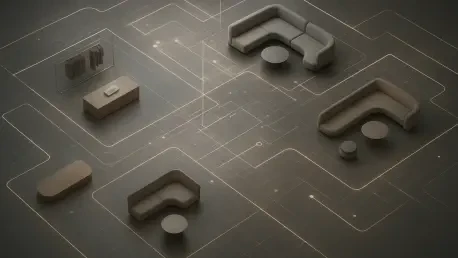
The numbers behind Broeklin tell a very clear story about the balance between commerce and lifestyle, with 55,000 m² dedicated to retail space and a significant 11,000 m² reserved for diverse food and beverage options. However, the real draw for modern visitors lies in the 12,500 m² of leisure space and the massive event hall designed to accommodate up to 5,200 visitors. This variety ensures that while the core market stays within a twenty-minute radius, the project has the gravity to pull in curious visitors from over an hour away. We are building an innovation hub and office spaces alongside premium retail brands to create a vibrant, living environment that generates revenue around the clock. It’s a carefully calculated mix that ensures the site remains relevant and financially sound for decades.
Technology is often seen as a competitor to brick-and-mortar retail, but how can it be used as a lever for growth in this new environment?
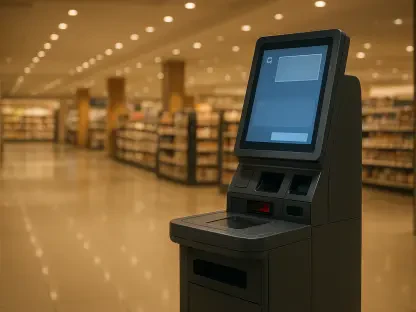
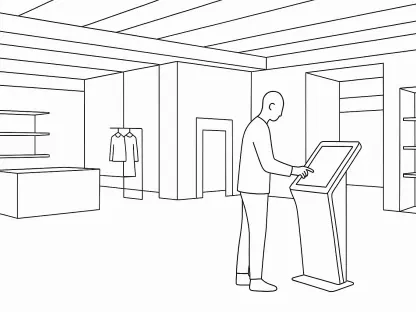
In a sophisticated environment like Broeklin, technology is not a threat; it is the ultimate tool for making the physical shopping experience richer and more compelling. We are looking at a future where AI offers a wealth of possibilities, from automatic sizing to providing deep, digital product information the moment a customer picks up an item. Virtual try-ons and smart mirrors allow the physical and digital worlds to converge, creating a seamless journey for the shopper that feels both high-tech and high-touch. When technology handles the friction of shopping—like finding the right fit or checking stock—the customer is free to enjoy the sensory and emotional aspects of the store. This convergence is what will define successful retail strategies as we approach the project’s opening in the fall of 2029.
What does the long, difficult road to obtaining permits tell us about the necessity of ambition and flexibility in large-scale real estate?
The twenty-year journey to break ground proves that bringing about real change in this country is exceptionally difficult, especially when you are trying to innovate in the real estate sector. Every entrepreneur needs a financially sound plan that can withstand the test of time, but they also need the flexibility to adjust their course as the world moves forward. It’s easy to dream, but creating something that naturally generates revenue while navigating decades of hurdles requires a level of perseverance that most people simply don’t have. We often see much grander and bolder projects abroad, and I believe we need more of that daring spirit here, even if the process is grueling. Ultimately, looking ahead with positive drive is the only way to transform a long-term struggle into a landmark success.
What is your forecast for the future of large-scale retail developments in Europe?
I believe we are entering an era of “hyper-local destinations” where the size of the development is matched by its commitment to the specific community and environment it inhabits. By the time we reach the fall of 2029, the standard for success will no longer be foot traffic alone, but the duration of stay and the depth of engagement within these multi-use spaces. We will see a permanent shift away from the “concrete box” model toward porous, sustainable hubs that blend work, play, and shopping into a single, cohesive day out. The projects that survive will be those that embrace grand ambition and high-tech integration while remaining flexible enough to adapt to the ever-accelerating pace of consumer expectations. Success will belong to the developers who stop looking at the past and start building the immersive, tech-enabled wonders of tomorrow.