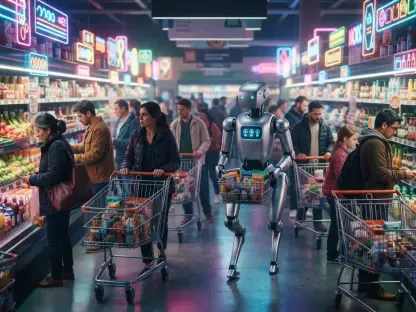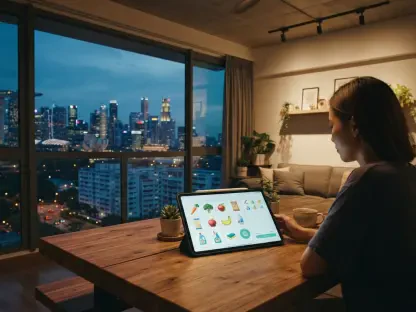

A digital shopper today often feels like an unpaid intern navigating a labyrinth of broken search filters and chatbots that possess the conversational depth of a toaster; however, a fundamental shift is occurring in how technology manages these experiences. In the current retail landscape, an
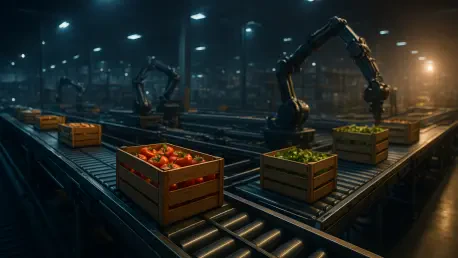
The Finnish retail landscape is becoming increasingly competitive, prompting Kesko to replace its aging legacy warehouse management systems with cloud-native technology. As one of Northern Europe’s primary retail entities, Kesko is navigating a market where consumer expectations for freshness and

The rapid evolution of artificial intelligence has transitioned from simple chatbots to sophisticated autonomous agents capable of managing complex commercial negotiations and financial transactions on behalf of human users. This shift marks the arrival of agentic commerce, a paradigm where

The criteria for a superior customer experience are expanding to include how effectively a retailer’s infrastructure communicates with autonomous purchasing agents. This marks a departure from the traditional human-centric design that defined the early digital era. In 2026, the retail environment

While Coupang offers an ecosystem including grocery delivery and streaming, its razor-thin profitability remains a point of concern for value-oriented investors. The global retail landscape in 2026 is no longer defined merely by who sells the most products, but by the underlying philosophy of the
A modular design philosophy allows MUSE robots to be repurposed for varied tasks including floor cleaning, customer guidance, and in-store security. This versatility marks a significant departure from the early days of retail automation, where machines were often viewed as cumbersome experiments