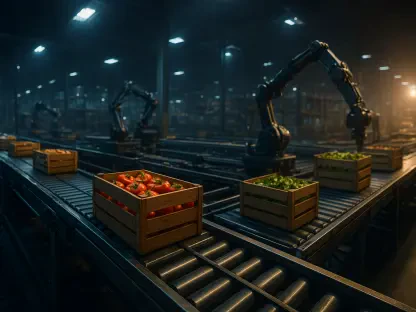

Embracing a Digital Future in Global Food Logistics The global pantry staple that redefined convenience is now rewriting the rules of industrial efficiency through a high-stakes pivot toward artificial intelligence and integrated data systems. Nissin Foods is currently replacing reactive logistics

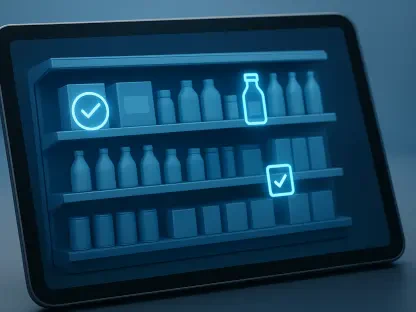
Modern physical retailers are currently fighting a silent battle against the invisible efficiency of e-commerce platforms where every click is tracked and analyzed with surgical precision. To bridge this divide, Smart Retail Analytics has emerged as a critical framework that transforms the

Our retail technology expert, Zainab Hussain, is a leading e-commerce strategist who has spent years at the intersection of customer engagement and operational efficiency. As we navigate the complexities of 2026, Zainab’s insights into the convenience and fuel retail sector provide a roadmap for

The modern retail floor is no longer a theater for wandering browsers, but rather a high-stakes arena where shoppers arrive with precision tools, specific lists, and a singular focus on immediate mission completion. This evolution toward intentionality has redefined the metrics of success for

The traditional shopping journey, once defined by human intent and manual curation, is being rewritten by autonomous systems that act as both consumer and curator in a hyper-automated marketplace. Retail is no longer a simple transaction between a person and a storefront; it has evolved into a

The primary value proposition of Muse lies in its capacity to handle labor-intensive digital errands and navigate the complexities of fragmented retail sectors. This represents a monumental pivot in the evolution of artificial intelligence, moving away from the static, conversational models of