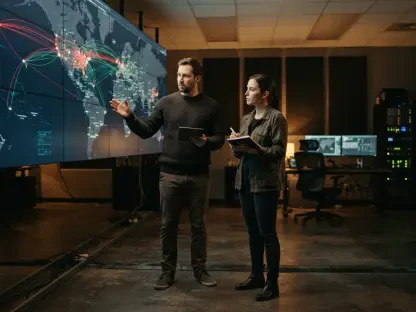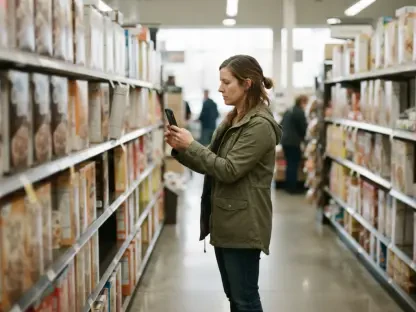

The traditional shopping journey, once defined by human intent and manual curation, is being rewritten by autonomous systems that act as both consumer and curator in a hyper-automated marketplace. Retail is no longer a simple transaction between a person and a storefront; it has evolved into a

The primary value proposition of Muse lies in its capacity to handle labor-intensive digital errands and navigate the complexities of fragmented retail sectors. This represents a monumental pivot in the evolution of artificial intelligence, moving away from the static, conversational models of

Retailers now navigate a landscape where thirteen competing priorities demand simultaneous mastery, transforming the traditional linear shopping journey into a complex web of instant interactions and high-definition experiences. The luxury of focusing on a single marketing channel or a specific

The collision of hyper-selective consumerism and volatile global supply chains has reached a critical boiling point, forcing brand manufacturers to abandon outdated, reactive shelf management in favor of autonomous, real-time intelligence. Currently, in 2026, retailers face a consumer base that is
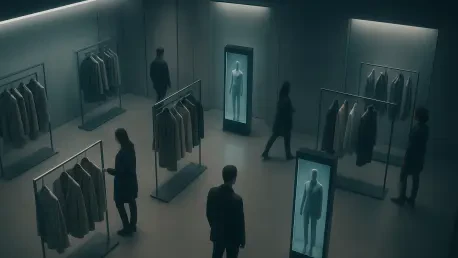
The persistent gap between what retailers believe is on their shelves and the actual inventory available to customers has created a trillion-dollar inefficiency that traditional point-of-sale systems simply cannot solve alone. This Multi-Shopper Retail AI represents a critical pivot in the physical

Retailers across the United Kingdom are currently grappling with a staggering financial paradox where customer engagement reaches record levels while actual commercial profitability continues to leak through operational gaps. This disconnect represents a critical loyalty execution crisis that