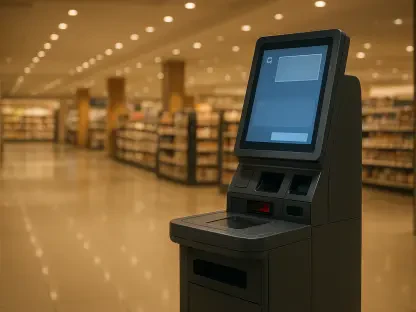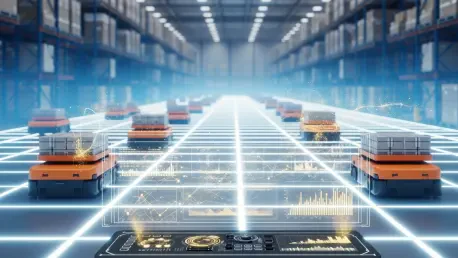

The days of manual warehouse logs and local inventory guesswork have vanished, replaced by a hyper-connected reality where algorithms dictate the movement of nearly every consumer good across the globe. This shift represents more than a mere upgrade in software; it is a total reimagining of how goods flow from manufacturer to doorstep. In this environment, the speed of commerce is determined by the latency of a network and the accuracy of a model rather than the physical limits of labor. Consequently, the retail sector has transitioned into a sophisticated logistics ecosystem where automated decision-making is the primary driver of market share.
The Evolution of Retail Operations in the Age of Intelligent Automation
Modern retail operations have moved far beyond the era of reactive spreadsheets and seasonal adjustments. Today, the sector relies on complex data processing pipelines that analyze millions of variables to keep shelves stocked and delivery routes optimized. This reliance on real-time data is a fundamental requirement for maintaining a competitive edge in a market where consumers expect immediate availability. Established players have spent the last few years integrating machine learning into their core functions, fundamentally altering the way warehouses operate and how inventory is allocated across diverse regions.
This technological surge has also drawn the attention of global regulators who are increasingly concerned with how companies manage such immense volumes of sensitive data. Governance frameworks now demand greater transparency in how automated systems make choices that affect pricing, labor, and product access. As these logistics ecosystems become more autonomous, the intersection of technological capability and legal compliance becomes a primary concern for executive leadership. Navigating this landscape requires a delicate balance between aggressive innovation and the adherence to strict data protection standards.
Market Dynamics and the Shift Toward Predictive Logistics
Emerging Innovations in Demand Forecasting and Behavioral Analytics
The transition from reactive monitoring to proactive supply management has been fueled by the ability of AI to interpret nuanced consumer behavioral patterns. By evaluating real-time data from social media trends, local weather events, and historical purchase cycles, these systems can predict demand with a level of granularity that legacy systems simply cannot match. This allows retailers to optimize their labor planning and space utilization well in advance of actual sales spikes. The resulting efficiency reduces waste and ensures that resources are deployed exactly where they will generate the highest return.
Moreover, these emerging technologies are capable of identifying complex, non-linear patterns that human analysts frequently overlook. For instance, an algorithm might detect a correlation between a specific digital media event and a surge in demand for a niche product category in a specific zip code. By acting on these insights instantly, retailers can secure stock before competitors even recognize a shift in the market. This predictive capability has turned the supply chain into a proactive weapon for market dominance, rather than a back-office support function.
Quantifying the Economic Impact and Growth of AI-Enabled Chains
The economic scale of this shift is immense, with the adoption of AI in retail supply chains projected to grow at a staggering rate from 2026 through the end of the decade. Market performance indicators show a direct correlation between the depth of automation and overall operational productivity. Organizations that have fully integrated predictive models report a significant reduction in both stockouts and overstock scenarios, leading to healthier margins and more consistent cash flow. These financial benefits are driving a wave of investment that shows no signs of slowing.
Future forecasts suggest that the financial landscape of retail will be bifurcated between those who master predictive logistics and those who remain tethered to traditional methods. High-accuracy models are expected to save the industry billions in redirected shipping costs and reduced inventory holding times. As these systems become more refined, the cost of entry for new competitors rises, as the data advantage held by incumbents becomes a formidable barrier to market entry. The focus is now on refining these models to achieve even higher levels of financial efficiency.
Addressing the Operational Fragility and Strategic Risks of AI Integration
Despite the efficiency gains, the removal of human oversight from thousands of daily granular decisions creates a phenomenon known as cascading impacts. When an automated system makes a subtle error in judgment, that error can be replicated across an entire network before a human operator even notices a discrepancy. This lack of a manual brake means that a small forecasting glitch can result in the shipment of thousands of unwanted items to the wrong locations, leading to massive resource waste and logistical bottlenecks.
Systemic vulnerabilities are further exacerbated by a heavy reliance on third-party cloud infrastructure and the constant threat of cyberattacks. A single outage at a major service provider can paralyze a retailer’s ability to fulfill orders or track inventory, leading to immediate strategic erosion. Beyond the direct financial loss, these failures damage brand perception and erode consumer trust. Building operational redundancy is no longer an option but a necessity to prevent total system failure when data anomalies or external disruptions occur.
Closing the Governance Gap through Legal Compliance and Risk Transfer
A significant challenge remains in the form of a coverage gap within traditional insurance products. Legacy property and cyber policies often exclude losses caused by non-malicious AI malfunctions or “algorithmic hallucinations.” This leaves retailers exposed when a system failure occurs that does not involve a traditional hack or physical damage. Coverage counsel must now work to identify where standard Errors and Omissions or Directors and Officers policies fall short, ensuring that the enterprise is protected against the unique risks of the digital age.
To mitigate these risks, the industry is shifting toward manuscript coverage and customized policy wording that specifically addresses automated system failures. Furthermore, there is a growing emphasis on contractual risk transfer, where retailers impose strict governance and indemnification requirements on their third-party software providers. By holding vendors accountable for the performance of their algorithms, retailers can create a financial safety net that traditional insurance currently fails to provide. This legal layering is a critical component of a modern risk management strategy.
Anticipating the Next Frontier of Resilient and Autonomous Supply Chains
The next phase of evolution will likely involve self-healing supply chains that utilize specialized AI to detect and correct their own forecasting errors in real-time. These systems will be designed to recognize when a model is drifting from reality and automatically adjust parameters to maintain accuracy. Additionally, the integration of decentralized logistics could allow for more flexible fulfillment nodes that operate independently of a central hub. This would provide a natural buffer against the systemic failures that plague current centralized networks.
Consumer preferences for instant gratification will continue to drive innovation in hyper-local, automated fulfillment centers located in urban cores. These facilities will rely on a seamless blend of robotics and predictive software to ensure that products are staged within minutes of a consumer’s location. However, this rapid pace of innovation must be balanced with transparent and ethical AI governance. Ensuring that autonomous systems operate within established legal and ethical boundaries will be essential for maintaining social license and avoiding future regulatory crackdowns.
Building Long-Term Resilience in the Era of Predictive Inventory Risk
The analysis of the retail sector showed that while artificial intelligence served as a powerful driver of efficiency, it simultaneously introduced a new layer of systemic fragility. It was observed that the speed and volume of automated decisions often outpaced the ability of traditional risk management frameworks to respond effectively. Organizations found that relying solely on technological prowess was an incomplete strategy. The industry recognized that a multi-layered approach, combining technological oversight with robust legal and contractual protections, was the only way to ensure long-term stability.
Retailers prioritized the creation of redundant operational processes to serve as a backup for when automated systems inevitably encountered data anomalies. This transition necessitated a shift in leadership focus, moving from simple cost reduction to the broader goal of organizational resilience. The integration of customized insurance products and strict vendor governance proved to be essential in bridging the coverage gaps left by legacy policies. Ultimately, the successful enterprises were those that treated technological risk as a core business priority rather than a secondary concern for the IT department.