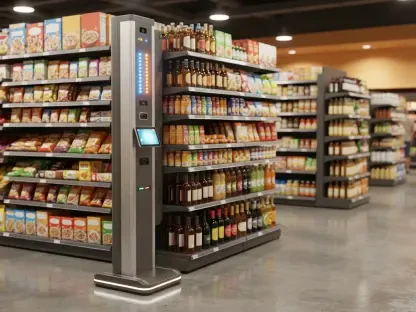

The standard for modern retail has shifted from being merely accessible across various platforms to becoming an active participant in the consumer’s daily life through sophisticated data activation. PUMA has emerged as a leader in this transition, moving beyond the simple maintenance of e-commerce sites and physical storefronts to develop a fully integrated ecosystem where every interaction informs the next. This evolution is driven by the realization that static information is only valuable when it is transformed into a dynamic, real-time experience that responds to customer intent. By synchronizing purchase history with the current product catalog across all digital and physical touchpoints, the brand ensures that the shopper never encounters a fragmented journey. This methodology prioritizes the specific context of the individual, whether they are engaging with a promotional notification or browsing the aisles of a flagship store, creating a sense of continuity that was previously difficult to achieve in global retail.
This deep integration of data into operational systems allows for a level of personalization that feels intuitive rather than intrusive. Instead of bombarding consumers with generic advertisements, the brand utilizes real-time insights to provide recommendations that actually align with the shopper’s current needs and long-term preferences. This shift from data collection to data activation represents a fundamental change in how the company perceives its relationship with the public. By focusing on high-utility interactions, the brand has managed to elevate the shopping experience, making it more efficient for the consumer and more profitable for the business. This strategic pivot ensures that the brand remains relevant in a crowded market where consumer attention is the most valuable currency.
Building a Resilient Direct-to-Consumer Core
Strategic Growth: Maximizing Direct-to-Consumer Channels
The current retail landscape has seen significant shifts in how products reach the end consumer, and the direct-to-consumer (DTC) segment has proven to be a vital pillar of stability. Even as the broader market faced fluctuations and wholesale operations underwent necessary adjustments, the DTC division showed remarkable strength, eventually accounting for nearly a third of the company’s total revenue. This resilience is not merely a result of increased online shopping but is the direct outcome of a deliberate strategy to foster a closer, data-powered relationship with the audience. By investing heavily in its own platforms, the company has created a financial buffer that protects the brand from the volatility often associated with third-party distribution networks.
Building this strong internal foundation has allowed the brand to maintain high levels of desirability while simultaneously expanding its global digital footprint. The success seen in currency-adjusted sales metrics indicates that a robust DTC presence is essential for long-term growth and brand health. When a company owns the primary relationship with its customers, it gains the ability to weather economic challenges more effectively than those who rely strictly on intermediaries. This approach has transformed the digital storefront from a simple sales channel into a powerful engine for brand storytelling and consumer engagement, ensuring that the company’s message remains consistent and impactful across the globe.
Brand Ownership: Controlling the Narrative and Experience
Moving away from a heavy reliance on third-party retailers has enabled the brand to take full control over how its story is told and how its products are presented. This shift is centered on the idea that owning the platform means owning the experience, which in turn leads to the collection of more accurate and actionable consumer data. When customers shop through official channels, every interaction provides a clearer picture of their preferences, allowing for a level of service that external partners simply cannot replicate. This autonomy is crucial for building deep loyalty, as it allows the brand to implement specialized programs and services that are tailored specifically to the needs of its most dedicated followers.
Furthermore, this control extends to the physical retail environment, where the brand can create immersive spaces that reflect its core values and latest innovations. By doubling down on owned stores, the company ensures that the high-quality experience found online is mirrored in person, creating a seamless loop of engagement. The ability to capture data directly at the point of sale, whether digital or physical, provides a competitive advantage that fuels further innovation. This strategic independence not only strengthens the brand’s identity but also ensures that every customer interaction is optimized for satisfaction, leading to a more sustainable and profitable business model in the long run.
The Architecture of Customer Intelligence
Data Categorization: Organizing the Three Pillars of Insight
To manage the immense volume of information generated by millions of shoppers, the company has implemented a structured approach that categorizes data into three distinct streams. The first stream consists of communication data, which includes essential contact details such as email addresses and phone numbers used for basic outreach. The second stream focuses on personal and event data, tracking significant milestones like birthdays or membership anniversaries to trigger timely and relevant marketing moments. However, the most critical stream is behavioral data, which monitors specific actions such as browsing history, search queries, and purchase patterns to understand how and where individuals prefer to shop.
This organized framework allows the brand to move beyond a surface-level understanding of its audience and delve into the specific habits that drive consumer behavior. By segmenting data in this way, the company can create a highly sophisticated model of identity resolution that identifies a single user across multiple devices and platforms. This clarity is essential for delivering a unified experience, as it prevents the common pitfall of treating the same person as multiple different customers. Having a clear view of these three pillars enables the brand to be more purposeful in its interactions, ensuring that every message sent is backed by a solid understanding of the recipient’s history and current interests.
Identity Resolution: Personalizing the Modern Shopping Journey
The ability to resolve identities across various touchpoints allows the brand to move away from generic, high-volume marketing blasts in favor of highly targeted, individual communication. By utilizing predictive modeling, the company can determine not only what a customer might want to buy but also the specific time they are most likely to be receptive to an offer. This high level of granularity reduces the digital noise that often leads to consumer fatigue, replacing it with meaningful content that adds value to the shopping experience. Personalization at this scale requires a seamless flow of data between the backend systems and the consumer-facing interfaces, a challenge that the company has met through rigorous technological integration.
This refined approach to customer intelligence ensures that marketing efforts are always contextually relevant, significantly increasing the likelihood of conversion. For example, a shopper who frequently views running gear but has not made a purchase might receive a tailored notification about a new shoe release or a localized running event. This strategy prioritizes the individual’s context, making the brand feel like a personalized assistant rather than a distant corporation. By successfully predicting consumer needs and delivering solutions through the preferred channel of the user, the company has set a new benchmark for how data can be used to enhance the relationship between a brand and its audience.
Driving Measurable Outcomes and Loyalty
Customer Retention: Moving Toward Increased Lifetime Value
The effectiveness of a data-driven strategy is most evident in the measurable improvements seen in customer retention and lifetime value. By implementing cross-sell automation that recommends products based on an individual’s specific purchase history, the brand has achieved a significant increase in the number of shoppers returning to make a second purchase within a thirty-day window. While a small percentage increase in retention might seem minor on a local scale, when applied across a global operation, it represents a substantial boost in total revenue and operational efficiency. This compounding effect demonstrates that when data-informed actions are relevant and timely, consumers are far more likely to remain engaged with the brand over the long term.
Focusing on retention is a strategic move that acknowledges the high cost of acquiring new customers compared to the value of maintaining existing ones. The company has utilized its data architecture to identify “at-risk” customers and re-engage them with personalized incentives before they move to a competitor. This proactive approach to loyalty management ensures that the customer base remains active and growing. By constantly refining the algorithms that drive these recommendations, the brand has created a feedback loop where every successful interaction provides more data to make the next interaction even more effective. This cycle of continuous improvement is the foundation of a modern loyalty strategy that prioritizes long-term relationships over short-term gains.
Unified Retail: Bridging the Digital and Physical Divide
One of the most persistent challenges in retail is the disconnect between digital activity and physical store visits, a gap that the company has successfully bridged through a strategic value exchange. By offering tangible benefits such as digital receipts, exclusive member rewards, and early access to new collections, the brand encourages in-store shoppers to identify themselves at the point of sale. This identification allows the company to link physical purchases to an online profile, creating a truly unified view of the customer’s journey. Campaigns like the “Birthday Bash” have demonstrated the power of this integration, as they have been shown to nearly triple online revenue while simultaneously driving significant foot traffic back into physical locations.
This synergy between channels ensures that the brand remains top-of-mind regardless of where the consumer chooses to shop. When a customer receives a personalized reward that can be redeemed either online or in a local store, it reinforces the idea that the brand is a single, cohesive entity. This strategy not only boosts immediate sales but also encourages repeat visits, as consumers feel that their loyalty is recognized and rewarded across all platforms. The successful blending of digital and physical experiences has turned the traditional retail model on its head, proving that data is the key to creating a frictionless environment that caters to the modern, omnichannel shopper.
Mobile Innovation and Regional Customization
Mobile Platforms: Converting Browsers into Loyal Advocates
The mobile app is no longer viewed as just a smaller version of the website but as a specialized layer designed for high-value engagement and deep brand immersion. Through the use of creative marketing campaigns and strategically placed smart banners, the brand has seen a high success rate in converting mobile web users into dedicated app users. This transition is critical because the app serves as a centralized hub for loyalty, providing a more personalized interface and access to exclusive content that is not available elsewhere. By making the move from browser to app as seamless as possible, the company has transformed its mobile platform into a significant driver of both revenue and long-term customer stickiness.
Within the app environment, the brand can leverage features like push notifications and location-based services to provide a level of real-time interaction that is not possible through a standard browser. This allows for the delivery of highly relevant updates, such as notifying a user when a previously viewed item is back in stock at a nearby store. The focus on the app as a primary engagement tool reflects a broader shift toward mobile-first consumer behavior, where convenience and personalization are the most important factors. By continuously iterating on the app’s user experience and adding features that reward frequent use, the company has created a powerful tool for maintaining a direct and constant connection with its most active consumers.
Regional Nuance: Adapting Global Strategies to Local Markets
While maintaining a consistent global brand voice is essential, the company also recognizes that a one-size-fits-all approach to communication is often ineffective in a diverse global market. In regions like Southeast Asia, the brand has adapted its delivery methods to align with local preferences, utilizing popular regional communication platforms such as Viber, Line, and Zalo. This strategy ensures that the brand is reaching customers on the platforms where they already spend the majority of their time, rather than forcing them to adopt new habits. By combining a unified global data model with these localized delivery channels, the company can maintain high standards of data activation while respecting the unique cultural and technological landscape of each market.
This localized approach extends beyond communication platforms to include regionalized product offerings and marketing campaigns that resonate with local trends and values. By empowering regional teams to make data-informed decisions, the company ensures that its global strategy remains flexible enough to succeed in any environment. This balance between global consistency and local relevance is a key driver of international growth, as it allows the brand to build authentic connections with consumers regardless of their location. The ability to pivot and adapt to regional nuances without losing sight of the core brand identity is a hallmark of a truly global retail leader, ensuring continued success in an increasingly interconnected world.
To achieve similar success, retailers should focus on breaking down internal data silos and prioritizing the development of a unified customer profile that spans all physical and digital channels. The focus shifted from mere data collection to active data utilization, ensuring that every piece of information served a specific purpose in enhancing the shopper’s experience. PUMA demonstrated that by offering a clear value exchange, brands could successfully encourage consumers to share their data, leading to a more personalized and rewarding relationship for both parties. Future strategies must continue to embrace regional communication habits and mobile-first engagement to stay ahead of evolving consumer expectations. By investing in the right technological infrastructure and maintaining a customer-centric mindset, companies positioned themselves to thrive in a retail environment defined by speed, relevance, and seamless integration. High-utility interactions became the new standard, proving that data activation was not just a technical upgrade but a fundamental business necessity.