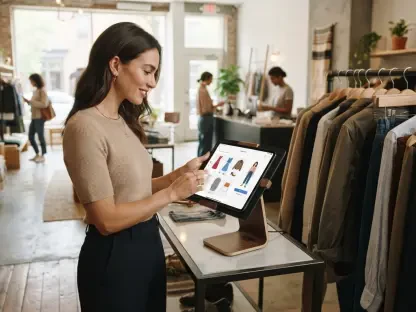

Monitoring performance statistics in the Creator Center allows affiliates to track which specific videos and products are successfully converting viewers into paying customers. In the landscape of 2026, social commerce has evolved from a niche trend into a primary driver of the global retail economy, with TikTok leading the charge through its highly integrated shopping features. For many digital creators, the TikTok Shop Affiliate Program represents the most accessible path to monetization, effectively removing the traditional barriers of inventory management, logistics, and customer service that once hindered small-scale entrepreneurs. By acting as a bridge between brands and consumers, affiliates can leverage their unique storytelling abilities to recommend products they genuinely value while earning a commission on every verified purchase. This system creates a symbiotic relationship where sellers gain exposure to targeted audiences and creators generate sustainable income based on the performance of their content. As the platform’s algorithm continues to prioritize authentic, high-quality reviews, understanding the technical and strategic nuances of the application process has become essential for anyone looking to capitalize on the current social media marketplace.
1. Refreshing the App and Verifying Eligibility
Maintaining an up-to-date version of the TikTok application is the first technical hurdle every aspiring affiliate must clear to ensure access to the latest monetization tools. On iOS devices, users should visit the App Store, search for the TikTok entry, and confirm whether an update button is present, while Android users must follow a similar process within the Google Play Store. It is equally important to navigate to the smartphone’s system settings to ensure that notifications for TikTok are fully enabled, as the platform relies on these alerts to communicate critical information regarding application status, sample approvals, and seller collaboration inquiries. While the application process itself is restricted to mobile devices, creators can still utilize desktop browsers like Chrome or Safari to visit the official TikTok Shop Affiliate overview page to review the specific legal terms and regional conditions that govern the program in 2026.
Eligibility requirements often fluctuate based on regional regulations and platform policy updates, making it vital for creators to check their specific status within the app rather than relying on external rumors. Most markets require the account to be a personal or creator profile in good standing, often accompanied by a minimum follower threshold that serves as a baseline for audience engagement. Additionally, applicants must be prepared to provide a government-issued identification document to satisfy identity verification protocols, which are mandatory for financial compliance in most countries. If the option to apply does not appear in the menu, it typically indicates that the account has not yet reached the necessary milestones regarding follower count or account age. In such cases, the most effective strategy is to continue posting consistent, high-quality content while monitoring the Creator Tools section for any updates to the eligibility status as the account naturally grows.
2. Navigating Creator Tools and Submitting the Application
The formal application process for the affiliate program is housed entirely within the TikTok mobile interface and requires navigating through several layers of account settings. To begin, the user must open their profile and tap the three-line menu icon located in the upper-right corner of the screen to access the backend administrative tools. Selecting the Creator Tools option will reveal a list of monetization features, where the applicant should search for a label such as TikTok Shop for Creator or simply Affiliate. Once this section is opened, the platform will present a series of terms and conditions that outline the rights and responsibilities of both the creator and the platform. It is critical to read these documents carefully, as they define how commissions are calculated, how intellectual property is handled, and what behaviors might lead to account suspension or removal from the program.
Upon accepting the program terms, the application may move into a verification phase that requires the submission of official documentation to prove the creator’s identity and residency. This usually involves taking a clear photograph of a driver’s license, passport, or other state-recognized ID and uploading it directly through the secure in-app portal. The review process is not always instantaneous; while some accounts receive approval within minutes, others may enter a pending status that lasts for several business days while TikTok’s compliance team verifies the provided information. During this waiting period, creators should avoid making drastic changes to their account settings or handle, as this can sometimes trigger additional security flags. A successful application culminates in an approval notification, after which the Creator Center will expand to include a suite of new tools specifically designed for managing affiliate sales and tracking real-time performance data.
3. Configuring Financial Details and Sourcing Marketable Products
Establishing a reliable payout method is the next logical step after receiving approval, as TikTok requires a verified destination for the distribution of earned commissions. Within the TikTok Shop for Creator menu, users must locate the Wallet or Payments section to input their financial details, which typically include a bank account or a supported digital payment provider compatible with local regulations. Accuracy is paramount during this step, as any discrepancies in the banking information can lead to delayed payments or the temporary freezing of funds for security reasons. Once the information is submitted, the status will often appear as pending while the system performs a small verification transaction or a data check with the financial institution. Only when the status changes to active can the creator be certain that their earnings will be successfully transferred according to the platform’s scheduled payment cycles.
With the financial foundation in place, creators can turn their attention to the Affiliate Marketplace, a vast digital catalog where they can browse millions of products from verified sellers. This marketplace allows for granular searching by category, keyword, or even commission percentage, enabling creators to find items that align perfectly with their existing content niche. Each product listing provides essential data, including the retail price, the specific commission rate offered by the seller, and a history of how well the item has performed with other affiliates. When a creator finds a product that resonates with their brand, they can tap a button to collect or add it to their personal product showcase. This digital storefront acts as a library of approved items that can be quickly tagged in future videos or featured during live broadcasts without the need for the creator to hold any physical inventory.
4. Managing Sample Requests and Executing Video Tagging
To create more authentic and persuasive content, the affiliate program offers a mechanism for requesting free product samples directly from sellers. On a product’s specific detail page within the marketplace, an option to request a sample allows the creator to pitch their content plan to the brand, explaining how they intend to showcase the item to their followers. Sellers evaluate these requests based on the creator’s audience demographics and past performance metrics before deciding whether to ship the item at no cost. It is important to note that most creators are limited to five active sample requests at any given time, which encourages a strategic approach to selecting products that offer the highest potential for conversion. Once a sample is received, the creator is generally expected to produce content within a specific timeframe, as failing to do so can negatively impact their rating with sellers and limit future sample opportunities.
The transition from product selection to active promotion occurs during the video posting process, where the creator can physically link a product to their creative content. After filming or uploading a video, the user proceeds to the final caption screen and selects the option to add a link, specifically choosing the product category. By picking an item from their previously collected list, they embed a taggable shopping icon into the video that allows viewers to view product details and complete a purchase without ever leaving the TikTok application. This frictionless shopping experience is the core of the affiliate program’s success, as it captures the viewer’s interest at the moment of highest engagement. Creators who find success often focus on demonstrating the product’s utility or solving a common problem within the first few seconds of the video, ensuring that the visual link feels like a natural extension of the narrative rather than a disruptive advertisement.
5. Maximizing Sales Conversions Through Live Stream Engagement
Live streaming has emerged as one of the most powerful tools for driving high-volume sales because it allows for real-time interaction and immediate social proof. When a creator goes live, they can access a shopping bag icon on their broadcast toolbar that enables them to pin specific products from their affiliate list directly to the bottom of the viewer’s screen. This pinning feature highlights a single item at a time, making it easier for the audience to follow the discussion and access the checkout page while the creator demonstrates the product live. The ability to answer questions, show different angles of an item, and provide instant feedback creates a sense of urgency and trust that static videos often struggle to replicate. Successful live sellers often prepare a run-of-show that rotates through several products, ensuring that the content remains dynamic and engaging for viewers who may join the stream at different times.
To optimize the conversion rates during a live session, creators must maintain a balance between entertainment and sales-driven communication. Directing the audience’s attention to the pinned link through verbal cues and physical gestures helps minimize confusion and guides potential buyers through the transaction process. Furthermore, monitoring the live comments allows the affiliate to address specific concerns about sizing, functionality, or shipping in real-time, which significantly reduces the barriers to purchase. In the competitive landscape of 2026, many affiliates have found that consistency in their live schedule helps build a loyal shopping audience that returns for weekly recommendations. By utilizing the real-time analytics provided during the stream, creators can see which products are generating the most clicks and adjust their presentation style on the fly to capitalize on the audience’s demonstrated interests.
6. Advancing Affiliate Performance and Overcoming Technical Barriers
New affiliates occasionally encounter technical hurdles, such as missing menu options or disappearing product tags, which are often the result of regional account restrictions or minor software glitches. If the TikTok Shop for Creator option is not visible within the settings, it is typically a sign that the account has either dropped below the required follower count or is registered in a region where the program has not yet fully launched. Additionally, creators should be aware that commission rates are set by individual sellers rather than the platform itself, meaning that a product’s earning potential can change without notice. Regularly checking the marketplace for updated rates and maintaining open lines of communication with brand partners ensures that the creator is always promoting the most profitable and relevant items. If a brand expresses interest in using a creator’s affiliate video for a paid advertising campaign, a notification will appear requesting authorization, which must be approved before the video can be boosted to a wider audience.
Creators who successfully scaled their affiliate businesses throughout 2026 understood that technical proficiency was only the starting point for long-term growth. They prioritized high-quality production standards, such as using ring lights for clarity and external microphones for crisp audio, which lent an air of professional credibility to their recommendations. By analyzing their performance data in the Creator Center, these individuals identified which specific niches provided the highest return on investment and pivoted their content strategies accordingly. They also maintained a high level of transparency with their audience, clearly labeling sponsored or affiliate content to foster a relationship built on trust rather than deception. Moving forward, the most effective path involves staying informed about evolving platform policies and continuously experimenting with new storytelling formats to keep the audience engaged in an increasingly crowded social commerce environment.