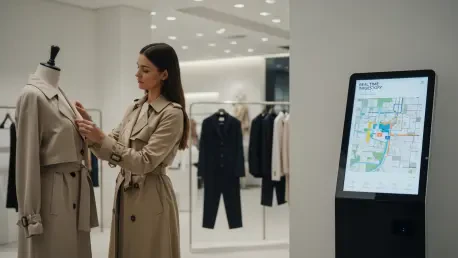

The Gap Between Technological Hype and Consumer Reality
The fashion industry stands at a crossroads where multi-million dollar investments in artificial intelligence collide with a consumer base that remains stubbornly loyal to traditional tactile experiences. While brands race to implement sophisticated digital concierges and automated styling algorithms, the average shopper often views these innovations with a mix of indifference and suspicion. This research delves into the psychological and practical barriers that prevent the seamless adoption of retail AI, questioning whether the current digital transformation is moving too fast for the people it aims to serve.
Modern shoppers are not simply avoiding technology; rather, they are rejecting tools that fail to provide immediate, tangible value. The disconnect between industry excitement and consumer hesitation suggests that the novelty of artificial intelligence has worn off, replaced by a demand for utility and security. Understanding this gap is essential for brands that wish to avoid costly missteps in their digital strategies, as the human element of fashion remains a powerful force that algorithms have yet to replicate.
The Growing Pressure for Digital Transformation in Fashion
As the retail landscape becomes increasingly dominated by e-commerce, the pressure for apparel brands to automate the customer journey has reached a fever pitch. Executives view AI as a magic bullet for streamlining operations and delivering hyper-personalized marketing at scale. This drive toward digital transformation is fueled by the need to compete in a crowded market where speed and efficiency are the primary metrics of success. However, the heavy emphasis on backend optimization often neglects the front-facing experience that defines how a brand is perceived by its audience.
The success of these massive investments depends entirely on user adoption, yet the industry has struggled to convince shoppers that digital assistants are more than just a barrier to actual service. This research highlights a significant shift in the digital commerce paradigm: consumers are no longer swayed by the mere presence of high-tech tools. Instead, they are demanding that technology serve as a transparent efficiency layer that respects their data and enhances, rather than replaces, the traditional joys of shopping for clothing.
Research Methodology, Findings, and Implications
Methodology
The study analyzed quantitative data from a comprehensive survey targeting a representative sample of clothing shoppers across the United States. The research approach prioritized understanding consumer discovery habits and measuring comfort levels regarding automated interactions. Specific tools were utilized to rank various barriers to technological adoption, such as privacy concerns and skepticism toward accuracy. By segmenting the data by age and shopping preference, the researchers were able to identify distinct demographic trends that challenge common assumptions about digital natives.
Findings
The findings reveal a stark preference for established discovery channels, with 60 percent of shoppers favoring physical store browsing and only 6 percent showing interest in AI tools like ChatGPT for brand discovery. Interest in artificial intelligence is strictly utility-driven, with consumers most receptive to logistical fixes like inventory tracking and size recommendations. In contrast, creative AI tasks such as automated outfit styling see minimal engagement. A significant demographic trend emerged showing that while Millennials are the most receptive group, over half of both Gen Z and Baby Boomers express total disinterest in retail AI. Furthermore, 55 percent of respondents expressed discomfort with in-store AI assistance, citing privacy concerns and a skepticism toward the accuracy of machine-generated advice as the primary reasons for their hesitation.
Implications
These results suggest that fashion retailers must pivot their strategies from high-concept creative tools to high-utility logistical solutions. Technology should be integrated as an invisible layer that handles inventory and sizing behind the scenes. Practically, brands must prioritize transparent data practices and improve the precision of their algorithms to overcome the prevailing trust deficit. Theoretically, the study challenges the assumption that younger generations will automatically embrace retail automation, suggesting that digital fluency leads to a higher demand for authenticity and privacy.
Reflection and Future Directions
Reflection
The research process highlighted a surprising paradox: despite their heavy use of digital platforms, Gen Z shoppers share similar levels of skepticism toward retail AI as older generations. Reconciling the industry’s optimistic projections with the grounded, conservative nature of consumer behavior was a primary challenge. The study could have been further expanded by investigating how different price points, such as luxury versus fast fashion, influence a shopper’s willingness to engage with digital styling tools.
Future Directions
Future research should explore the specific trust threshold required to convince resistant shoppers to share personal measurements with a machine. There is also a need to study the long-term impact of AI on brand loyalty to determine if automated interactions can foster a lasting bond or if they simply commoditize the relationship. Exploring hybrid models where AI supports human staff rather than replacing them could provide a more acceptable middle ground for those who still value personal interaction in their shopping journey.
Bridging the Divide Between Automation and Authenticity
The research concluded that the fashion world’s enthusiasm for automation was fundamentally out of alignment with the practical needs of the general public. While the industry saw immense potential for high-concept digital styling, consumers were mostly searching for solutions to basic inconveniences like finding the correct size or checking local stock. Success depended on a strategic pivot toward functional utility rather than aesthetic gimmicks. Future retail strategies needed to integrate privacy-first protocols to alleviate the pervasive fear of data exploitation and build long-term confidence. Ultimately, the path forward required a balanced ecosystem where technology refined the logistics of fashion while preserving the authentic, sensory nature of the shopping journey. This shift represented a necessary evolution from technology-led design to human-centric innovation in the apparel sector.