
Standing inside a bustling retail hub today feels fundamentally different than it did just a few short years ago because of the seamless integration of autonomous systems that manage inventory and logistical flow. The retail landscape is no longer just about brick-and-mortar storefronts; it has evolved into a sophisticated network of intelligent nodes that utilize massive datasets to predict consumer behavior before a single purchase is even made. Walmart has positioned itself at the forefront of this revolution, transforming its massive physical footprint into a high-tech ecosystem. While the average shopper might only notice a sleek, autonomous floor scrubber or a shelf-scanning robot gliding through the aisles, the real magic happens behind the scenes. This modernization effort is not merely a cosmetic upgrade but a fundamental shift in how one of the world’s largest employers operates. By prioritizing automation, the company has managed to reduce the physical strain on associates while significantly increasing the speed and accuracy of order fulfillment.
Evolution of the Automated Supply Chain Infrastructure
Robotic Sorting Systems: Enhancing High-Volume Throughput
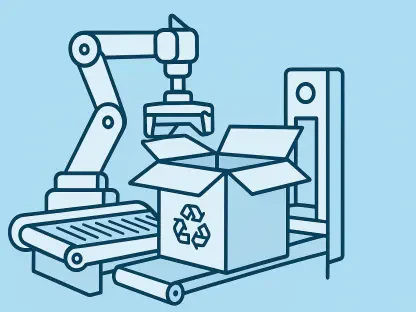
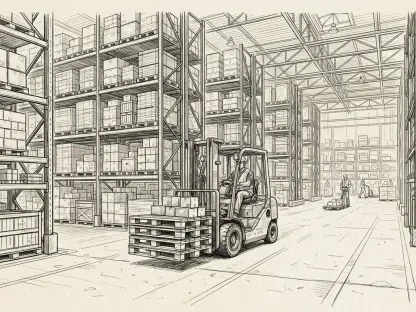
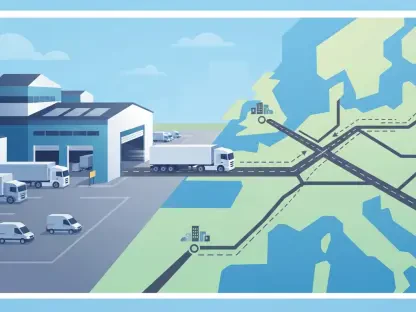
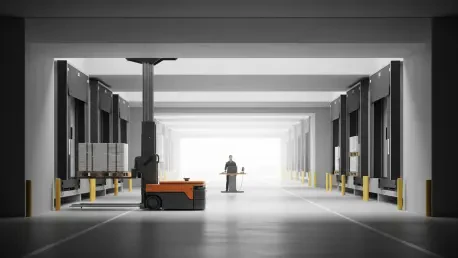
The cornerstone of this operational overhaul lies within the newly renovated regional distribution centers, which now function as fully automated nerve centers. These facilities utilize a high-density, automated storage and retrieval system that can process thousands of cases per hour with surgical precision. Rather than relying on manual labor to unload trucks and sort individual items, the system uses a fleet of autonomous bots that navigate a massive lattice structure to retrieve and organize goods. This level of automation allows for much denser storage, effectively increasing the capacity of existing warehouses without requiring new construction projects. Moreover, the speed at which these robots operate has cut down delivery lead times significantly, allowing for a more responsive supply chain that adapts to regional spikes in demand. By the time a pallet reaches a store, it has been meticulously organized by the system to ensure that unloading is as efficient as possible for the local team.
Precision Logistics: Managing Inventory with Real-Time Data
Beyond the physical movement of goods, the integration of sophisticated software algorithms ensures that inventory is tracked with near-perfect accuracy from the moment it enters the facility. This digital transparency allows the organization to minimize overstocking and reduce the waste associated with expired or damaged products. By utilizing real-time data, the system can automatically adjust order frequencies based on localized shopping trends, ensuring that high-demand items are always available on store shelves. This level of synchronization between the warehouse and the storefront represents a significant leap forward in retail management, moving away from reactive ordering toward a predictive model. The reduction in operational friction has not only lowered overhead costs but has also allowed for a more consistent pricing strategy across various markets. As these automated systems continue to learn from historical data patterns, the efficiency of the entire network scales proportionally, creating a self-optimizing loop.
Intelligent In-Store Environments and Data Integration
Workforce Evolution: Shifting Roles to Strategic Oversight
As robotics take over the repetitive and physically demanding tasks of the supply chain, the role of the retail associate has undergone a significant transformation toward more specialized functions. Employees who once spent their entire shifts lifting heavy boxes are now being retrained to manage the very systems that perform that labor, acting as technicians and data analysts on the floor. This shift is not just about efficiency; it is about creating a more sustainable and less injury-prone work environment for millions of people. The training programs implemented alongside these tech rollouts focus on digital literacy, ensuring that the workforce can interpret real-time data and troubleshoot complex machinery as needed. This human-centric approach to automation demonstrates that technology can be a catalyst for career growth rather than a simple replacement for human effort. By empowering associates with high-tech tools, the organization has seen a boost in morale and a reduction in turnover, as the nature of the work becomes more engaging.
Future-Proofing Retail: Establishing a Sustainable Digital Core
The comprehensive modernization of store operations reached a pivotal milestone as the company successfully integrated its AI-driven logistics with a customer-facing digital interface. This transition provided clear evidence that traditional retail can thrive in a digital-first economy if the infrastructure is built on a foundation of agility and data. Leaders across the industry observed how the deployment of these technologies improved bottom-line performance while simultaneously elevating the quality of the customer journey. For businesses looking to replicate this success, the primary takeaway was the necessity of investing in scalable cloud architecture and robust cybersecurity frameworks to protect the massive influx of operational data. It also became evident that fostering a culture of continuous learning was essential for maintaining a workforce that could adapt to rapid technological shifts. Companies that prioritized these areas found themselves better equipped to handle market volatility and changing consumer preferences through automated systems.