
The retail landscape has fundamentally shifted from a collection of static storefronts to a dynamic, interconnected network of digital-physical hybrids that demand immediate responsiveness. This transformation is not merely about aesthetic upgrades but represents a foundational shift in how brands interact with geography, inventory, and consumer psychology. As physical space becomes increasingly expensive and consumer attention spans shorten, the industry has turned toward integrated technological frameworks to bridge the gap between digital convenience and physical presence. The current review analyzes the methodologies that have allowed brands to expand at an unprecedented scale while maintaining a cohesive identity across diverse markets.
Evolution of Modern Retail Technology
Traditional retail expansion was historically a fragmented endeavor, characterized by a reliance on local contractors, manual inventory tracking, and localized design interpretations. This siloed approach often led to significant discrepancies in brand presentation and operational efficiency, where a flagship store in a metropolitan center might bear little resemblance to a satellite branch in a smaller city. The emergence of modern retail technology has corrected these imbalances by introducing centralized, data-driven frameworks that govern every stage of a store’s lifecycle, from initial conceptualization to daily maintenance. This evolution has redefined the role of retail partners, moving them away from simple service provision toward becoming strategic architects of transformation who oversee the entire ecosystem.
The shift toward integration has been driven by the necessity for “speed to market,” a metric that has become the primary indicator of commercial success in 2026. In a marketplace where consumer trends fluctuate weekly, the ability to deploy a physical presence within days rather than months provides a critical competitive advantage. This acceleration is made possible by the digitization of the supply chain and the use of modular design principles that can be replicated with precision. Consequently, the technological landscape has moved beyond basic e-commerce integration toward a comprehensive “retail-as-a-service” model, where the physical store acts as a high-functioning node within a larger digital network.
Core Components of Integrated Retail Systems
Integrated Turnkey Solutions: Streamlining Project Management
Centralized management serves as the backbone of modern retail transformation, treating every project as a holistic entity rather than a series of disconnected tasks. By consolidating design, procurement, and execution under a single tech-enabled umbrella, brands can eliminate the logistical bottlenecks that typically plague multi-location rollouts. These systems utilize advanced project monitoring tools that provide real-time visibility into the construction and fit-out phases. For instance, a brand manager can now monitor the progress of fifty simultaneous store launches across different time zones through a unified dashboard, ensuring that every fixture and digital display meets exact specifications.
The performance of these turnkey systems is measured by their ability to maintain brand consistency while adapting to local constraints. Tech-enabled monitoring allows for immediate course correction when localized issues arise, such as supply chain delays or site-specific architectural hurdles. This level of oversight ensures that the visual and functional integrity of the brand is never compromised for the sake of speed. Furthermore, the integration of maintenance protocols into the initial rollout phase ensures that the technology within the store remains operational long after the doors have opened, protecting the brand’s long-term investment in the physical space.
Phygital Customer Interfaces: Bridging the Digital Divide
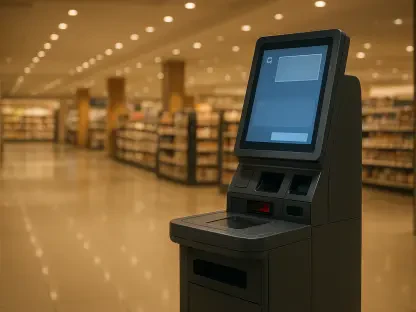
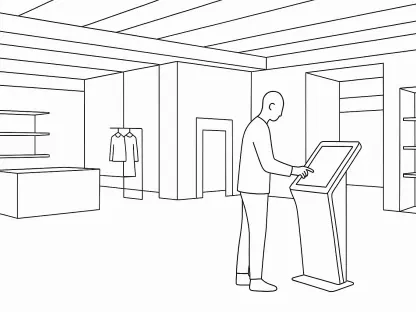
The integration of physical and digital realms, commonly referred to as “phygital” retail, has revolutionized the way consumers interact with products in a showroom environment. This component focuses on hardware such as smart screens, interactive kiosks, and digital assortments that provide a data-rich environment similar to an online platform. By implementing these tools, retailers allow customers to access deep product specifications, comparison charts, and user reviews while they are physically holding the item. This dual approach satisfies the consumer’s need for tactile verification while providing the information-heavy experience they have come to expect from digital shopping.
Technical execution of these interfaces requires a seamless blend of high-performance hardware and intuitive software design. In the consumer electronics sector, for example, interactive digital displays now allow customers to compare complex appliances side-by-side, visualizing how different models might fit into their specific home environments. These interfaces are not merely passive information points; they are active data-gathering tools that track consumer preferences and dwell times. This information is then fed back into the brand’s central analytics system, allowing for the continuous refinement of the in-store experience based on actual user behavior.
Emerging Trends in Digital-First Retail
A significant trend currently dominating the industry is the rise of the compact, tech-heavy neighborhood store model. As real estate costs in urban centers continue to climb, brands are moving away from massive flagship showrooms in favor of leaner formats that prioritize digital assortment over physical shelf density. These smaller footprints utilize “endless aisle” technology, where a limited selection of physical products is supplemented by a comprehensive digital catalog accessible via in-store touchpoints. This strategy allows brands to penetrate high-density residential areas where large-format stores would be financially unviable, effectively bringing the brand closer to the consumer’s doorstep.
Moreover, the industry is seeing a shift where “speed to market” is being prioritized alongside sustainability. Tech-enabled frameworks are now being used to optimize the use of materials and reduce waste during the store rollout process. Modular components are designed using 3D modeling and are prefabricated in controlled environments before being shipped to the site for rapid assembly. This not only accelerates the launch timeline but also ensures a higher degree of precision and resource efficiency. The result is a retail ecosystem that is both agile and responsible, capable of adapting to market demands with minimal environmental impact.
Real-World Applications and Sector Deployments
The practical application of these integrated systems is most visible in industries with high product variety and complex technical specifications. In the consumer electronics and home appliance sectors, digital comparison tools have become indispensable. By using smart interfaces, retailers can display the full range of available colors, sizes, and features without having to stock every variation on the floor. This has proven particularly effective for brands looking to showcase premium products that require detailed explanations of features, as the digital interface acts as a consistent, expert salesperson that is always available to the customer.
In the optics and fashion industries, the technology has taken the form of virtual try-on mirrors and augmented reality interfaces. These systems solve the persistent problem of inventory limitations, allowing customers to “wear” hundreds of different frames or accessories that may not be physically present in the store. For optics brands, this tech-led execution has transformed the shopping process into an interactive experience that reduces the “decision fatigue” often associated with large physical inventories. Similarly, in the FMCG and paint industries, digital color-matching tools and room visualizers allow customers to see the final result of a product in their own homes before making a purchase, significantly increasing consumer confidence and reducing return rates.
Strategic Challenges and Adoption Hurdles
Despite the clear benefits, the transition to a tech-enabled retail model is not without its difficulties. One of the primary hurdles is the high initial capital expenditure required for hardware integration and the development of custom software interfaces. For many legacy brands, the cost of retrofitting existing stores with smart technology can be prohibitive, leading to a staggered adoption process that can create inconsistencies in the customer experience. Additionally, maintaining real-time visibility across diverse and often remote geographies requires a robust telecommunications infrastructure that is not always available, potentially leading to data silos and synchronization issues.
There is also the technical challenge of ensuring that the hardware remains functional in a high-traffic retail environment. Smart screens and interactive kiosks are subject to physical wear and tear, and a malfunctioning interface can do more harm to a brand’s reputation than having no technology at all. To mitigate these risks, industry leaders are developing refined rollout management processes that include proactive maintenance schedules and remote diagnostic tools. These systems can identify a potential hardware failure before it occurs, allowing for “just-in-time” repairs that minimize downtime. Overcoming these hurdles requires a long-term strategic commitment rather than a one-off investment in gadgets.
Future Outlook and Industry Trajectory
Looking forward, the retail sector is moving toward a fully “connected retail ecosystem” where every physical touchpoint is synchronized with the brand’s global digital strategy. We are likely to see breakthroughs in immersive frameworks, such as holographic displays and AI-driven personalized environments that adjust the store’s lighting, music, and digital content based on the profile of the customer walking through the door. This level of hyper-personalization will further blur the lines between the digital and physical worlds, creating a seamless journey that follows the consumer from their mobile device to the physical showroom and back again.
The long-term impact of these scalable frameworks on global commerce will be profound. As technology reduces the barriers to entry for physical expansion, we can expect to see a more diverse array of niche brands establishing a physical presence in international markets. The ability to deploy a tech-enabled store quickly and efficiently means that brands can experiment with pop-up formats and seasonal locations with much lower risk. This fluidity will lead to a more vibrant and competitive retail landscape, where the winners are defined by their ability to use technology to create meaningful, lasting connections with their customers across every possible channel.
Final Assessment of Retail Tech Integration
The integration of technology into the retail rollout process was a fundamental necessity that redefined the standards of brand expansion. The shift from fragmented, manual oversight to a unified turnkey model enabled organizations to achieve a level of consistency and speed that was previously unattainable. It was observed that those brands which successfully merged the sensory advantages of physical space with the informational depth of digital platforms experienced higher engagement and improved operational ROI. The transition toward compact, digital-first formats proved to be a viable solution for navigating the complexities of high-density urban markets and rising real estate costs.
Moving forward, the focus must shift toward standardizing data protocols and ensuring that hardware longevity matches the rapid pace of software updates. Brands should prioritize the development of “modular intelligence,” where both the physical and digital components of a store can be upgraded independently without requiring a full renovation. Establishing a resilient, cloud-based project management foundation will be the most critical step for any retailer looking to scale in the 2026-2030 period. The most successful implementations were those that did not view technology as a mere add-on, but as the essential infrastructure upon which the modern brand experience was built. This strategic alignment ultimately transformed the physical store into a powerful, data-generating asset that drove global commerce forward.