
The reduction of the legal work week combined with high inflation is creating a multi-front economic assault on banana production facilities in South America. While consumers still witness a steady flow of fruit on supermarket shelves, the underlying infrastructure of the global supply chain is experiencing a period of severe fragility that remains largely hidden from public view. For decades, the industry relied on a predictable model of high-volume production and low retail pricing, but that stability is now being eroded by a combination of ecological shifts and financial pressures. Industry leaders emphasize that the current equilibrium is unsustainable, as the cost of cultivation and logistics has surpassed the historical margins that once supported the trade. This disconnect between market prices and operational realities suggests that the era of the cheap banana may be nearing an end. To preserve the reliability of this dietary staple, stakeholders must address the growing vulnerabilities that threaten to disrupt the delicate balance between supply and demand.
Environmental and Economic Instability in Sourcing Regions
Climate Cycles: Managing Volatility and Agricultural Health
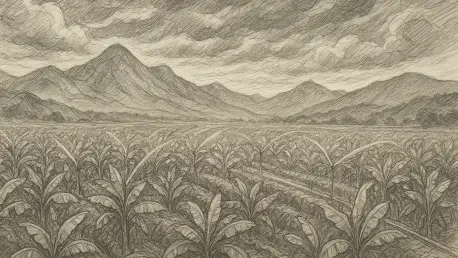
The core of the banana supply chain remains centered in Central and South America, where nations like Guatemala, Ecuador, and Colombia provide the bulk of global exports. However, the transition between El Niño and La Niña cycles has introduced extreme weather patterns that disrupt traditional growing seasons. Farmers are forced to navigate a very variable environment, oscillating between catastrophic flooding that facilitates the spread of fungal diseases and severe droughts that require heavy investment in irrigation. These precipitation extremes do more than just damage crops physically; they accelerate the spread of Black Sigatoka, a fungal infection that requires significant resources to manage effectively. Excessive rainfall creates a breeding ground for pathogens, while drier periods linked to El Niño create water availability issues. This unpredictability impacts the consistency of the harvest and makes long-term planning for year-round reliability increasingly expensive and difficult for producers.
Economic Pressure: The Financial Burden of Rising Production Costs
Beyond the weather, producers are grappling with a multi-front economic assault characterized by hyper-inflation of essential farming materials. The prices of fertilizers, fumigation chemicals, and packaging materials such as carton boxes and plastics have surged, eroding profit margins at the source. This is further complicated by national economic shifts, such as the strengthening of the Colombian peso and significant labor cost increases across the region. Specifically, in Colombia, the peso has strengthened by twenty percent against the U.S. dollar, effectively making exports more expensive while reducing margins for local producers. Labor costs surged by over twenty percent between 2025 and 2026, compounded by a reduction in the legal work week and an inflation rate exceeding five percent. Similarly, in Costa Rica, the colón has appreciated against the dollar, while production has been hampered by heavy rains. These factors combined create a financial environment where the cost of production is rising at every step.
Distribution Hurdles and the Pricing Sustainability Crisis
Logistics: Navigating Bottlenecks and Labor Shortages
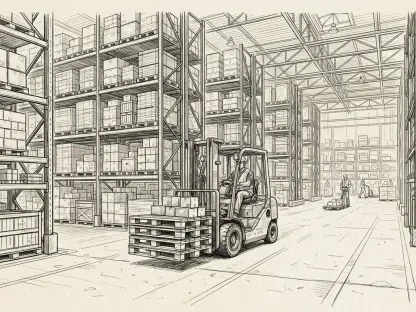
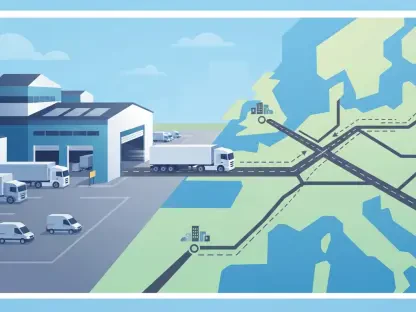
Once the fruit reaches North American shores, the pressure shifts from the tropical farm to the domestic pavement. The industry faces a secondary set of hurdles in the form of historic highs in inland transportation costs, driven by fuel price volatility and a systemic shortage of qualified commercial drivers. These last-mile bottlenecks not only add significant expense to an already low-margin product but also limit the reliability with which distributors can serve retail customers across the country. The inland logistics network is currently struggling to keep pace with demand, as the pool of available carriers remains restricted. This shortage of personnel and equipment creates a logistical bottleneck that forces companies to pay premium rates to ensure timely delivery of perishable goods. Because bananas must be moved quickly to maintain freshness, any delay in the trucking network results in potential waste and financial loss, further straining the economic viability of the current distribution model.
Retail Strategies: Reevaluating the Low-Cost Model
A central issue facing the industry is the historic use of bananas as loss leaders, which are cheap staples used to lure shoppers into grocery stores. This artificially low pricing model is now being challenged as the underlying cost base for production reaches a breaking point. Experts argue that the industry can no longer hide these rising expenses from the public, and a failure to adjust retail prices to reflect current economic realities could prevent growers from reinvesting in their farms, workers, and local communities. For years, the supply chain has absorbed the impact of inflation to maintain affordability, but the gap between the retail price and the cost of bringing fruit to market has become too wide to ignore. Sustainability is at risk if retailers and consumers do not acknowledge the true cost of production. This shared responsibility is essential to prevent a decline in fruit quality and supply consistency, ensuring that the entire category remains viable for future generations of consumers.
Evolving Consumer Trends and Future Strategic Growth
Market Shifts: The Rapid Rise of Organic and Ethical Segments
Despite the economic and environmental headwinds, consumer demand for bananas remains exceptionally high, with the fruit maintaining a massive household penetration rate of approximately eighty-three percent. A significant bright spot is the rapid growth of the organic sector, which now accounts for over eighteen percent of total retail sales. This trend suggests that bananas serve as a key entry point for health-conscious consumers who are willing to pay a premium for products that align with their personal values regarding sustainability and wellness. Retail sales for organic bananas grew by twelve percent recently, reaching over seven hundred million dollars, while volume increased to more than one billion pounds in the period ending March 2026. Nearly twenty percent of buyers now choose organic exclusively, indicating a shift in behavior where quality and ethics outweigh the desire for the lowest possible price. This segment represents a vital growth opportunity for the industry to capture value.
Consumer Engagement: Strengthening the Category Through Transparency
To ensure a sustainable future, the industry is looking toward more sophisticated marketing strategies that move beyond mere affordability. By emphasizing the nutritional density and versatility of bananas, producers hope to re-engage younger demographics and justify a price point that supports the entire supply chain. Increasing transparency regarding fair labor practices and food safety is also becoming a competitive advantage, as modern shoppers show a greater appreciation for the complexity and investment required to deliver fresh fruit year-round. Companies are now communicating the significant investments made in local communities and environmental protection to build a stronger connection with the consumer. Highlighting the effort involved in bringing a banana from a farm in Ecuador to a shelf in the United States helps justify the costs and builds brand loyalty. By shifting the conversation toward value and responsibility, the industry can develop a more resilient economic foundation.
Strategic Initiatives for Long-Term Category Resilience
The ultimate consensus among industry experts was that the banana supply chain operated under a level of tension that was largely invisible to the average buyer. To prevent a collapse in the investment cycle, a unified effort among growers, importers, and retailers became necessary to educate the public on the true costs of production. Shifting the focus from cheap to valuable was identified as the only way to ensure that the reliability consumers had come to expect did not become a thing of the past. Moving forward, the industry prioritized technological investments in climate-resilient farming and streamlined logistics to mitigate rising overhead. Stakeholders also worked to diversify sourcing regions to reduce the impact of localized weather events. By fostering greater transparency and adjusting pricing models to reflect the ecological and social realities of 2026, the sector aimed to secure its future. These actionable steps were essential for maintaining the stability of a fruit that remained a global dietary staple.