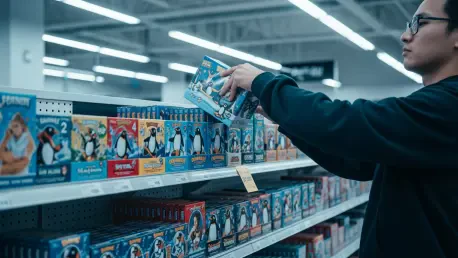

The evolution of digital assets from speculative blockchain entries to tangible household merchandise represents one of the most significant shifts in modern consumer behavior and brand development. This transition is currently epitomized by the nationwide debut of the Vibes Series 3 trading cards, which marks a strategic pivot for the Pudgy Penguins brand as it enters major retail environments like Target stores across the United States. By stepping away from the confines of the Ethereum blockchain and establishing a physical presence in big-box retail, the project is attempting to redefine how intellectual property is cultivated in an era where digital and physical worlds are increasingly intertwined. This move signals a departure from niche exclusivity, focusing instead on building a broad consumer entertainment franchise that prioritizes accessibility and physical discovery. As the brand targets a new generation of collectors, it seeks to transform its digital characters into recognizable household names.
Mainstream Retail Strategy and Product Innovation
Expanding the Physical Footprint: From Screens to Shelves
The introduction of the Vibes Series 3 trading cards into Target locations represents the brand’s most aggressive push into the traditional retail market to date, significantly increasing the total volume of its physical products. With approximately 15 million cards entering circulation, this expansion is not merely a quantitative increase but a qualitative leap in how the brand engages with its audience. These new cards feature sophisticated gameplay mechanics and original high-quality artwork designed to appeal to both serious competitive players and casual fans of the franchise. By securing a prominent position on the shelves of a major American retailer, the brand is leveraging the power of in-person discovery to drive organic growth and brand recognition. This strategy acknowledges that while digital engagement is vital, the tactile experience of opening a physical pack of cards remains a powerful driver of consumer loyalty and a primary gateway for younger audiences to enter the ecosystem.
Strategic Partnerships: Integrating Moonbirds and Orange Cap Games
A significant component of this product rollout is the strategic inclusion of characters from the Moonbirds collection, a collaboration that effectively bridges different segments of the digital asset landscape. Through a partnership with Orange Cap Games, the brand has ensured that these physical products maintain high standards for both playability and artistic quality. This collaborative approach provides a diverse variety of characters for the card game while simultaneously tapping into established fan bases from other successful digital projects. By integrating these various intellectual properties, the brand creates a richer and more varied experience for collectors, making the physical game a focal point for the wider community. This synergy not only enhances the value proposition of the trading cards but also demonstrates a new model for how digital creators can work together to achieve mainstream retail success. Such partnerships are essential for building a sustainable ecosystem that extends beyond the limitations of any single collection.
Bridging the Gap Between Digital and Physical Assets
Broadening the Market: Accessibility Beyond the Blockchain
At the core of this retail expansion is a deliberate strategy to widen the consumer funnel by reaching individuals who have never interacted with blockchain technology. While the original digital assets relied on the concept of scarcity to drive value, these retail products are specifically engineered for mass-market accessibility. This allows the intellectual property to thrive independently of the fluctuations often associated with the crypto market, providing a stable foundation for long-term growth. The inherent “cute factor” of the penguin characters is being utilized as a primary marketing tool to attract interest in traditional retail settings where visual appeal and brand personality are paramount. By focusing on the intrinsic value of the characters rather than their technical origins, the brand is positioning itself as a legitimate competitor in the global toy and collectible industry. This shift ensures that the franchise remains relevant to a broad demographic of children and parents who prioritize entertainment.
Intellectual Property Evolution: Licensing and Royalty Models
This transition into physical retail is supported by a strong history of market performance, including a successful tenure at Walmart that resulted in the sale of over one million toys within a single year. To maintain the loyalty of the original digital community, the brand has implemented an innovative licensing model where owners of specific digital assets receive a 5% royalty when their characters are used for physical merchandise. This alignment of financial interests ensures that early adopters and digital owners benefit directly from the brand’s mainstream achievements, turning digital ownership into a tangible stake in the franchise’s global expansion. This model effectively solves the problem of community fragmentation that often occurs when a digital project attempts to scale into the physical world. By rewarding the community for the success of the brand in stores like Target, the organization creates a symbiotic relationship that fuels both digital engagement and physical sales through 2026 and beyond.
Digital Iteration and Industry Leadership
Adapting for Engagement: The Shift to Pudgy World
Beyond the realm of physical goods, the brand is continuously refining its digital presence through an iterative approach to game development. After experimenting with mobile titles like Pudgy Party and various skill-based games within the Telegram ecosystem, the leadership has recently focused its resources on Pudgy World, a browser-based experience. This “fail fast” mentality allows the company to quickly reallocate resources toward platforms and experiences that offer the most durable and meaningful engagement. By staying agile and responding to user data, the brand ensures that its digital offerings remain as dynamic and relevant as its presence in physical stores. This dual-track strategy acknowledges that modern entertainment franchises must exist as multi-faceted ecosystems where digital and physical experiences complement one another. The focus on Pudgy World represents a commitment to creating a central hub where fans can interact with the brand’s universe in a more immersive and persistent way than simple mobile games.
Establishing a New Standard: The Future of Crypto Brands
The success of the Target rollout is expected to serve as a comprehensive blueprint for the entire digital asset industry, illustrating how digital-first brands can compete with established giants like Pokémon. By proving that intellectual property originating on the blockchain has real-world utility and massive appeal, the project is leading the way toward a more integrated consumer landscape. If these trading cards achieve their performance targets, it could trigger a significant wave of blockchain-born brands appearing on store shelves, permanently altering how consumer goods are developed and marketed. This shift indicates that the source of a brand’s creation is becoming less important than the quality of its characters and the strength of its community. As more organizations look to replicate this success, the focus will likely shift toward building high-quality, accessible products that can stand on their own merits in the competitive retail environment, regardless of their underlying technology or digital heritage.
Strategic Outlook: Moving Toward Global Entertainment Dominance
The successful execution of this retail strategy offered definitive proof that digital assets could transition into a sustainable consumer franchise through careful planning and community alignment. Organizations looking to replicate this trajectory realized that the key to mainstream success resided in the ability to decouple intellectual property from the complexities of the blockchain for the end consumer. By providing a low-friction entry point through familiar retail channels, the project established a scalable model for brand growth that prioritized high-quality physical engagement over speculative digital trading. Future initiatives in the space were advised to focus on creating versatile characters that appealed to universal emotions, much like the successful penguin designs. This approach suggested that the most effective way to integrate decentralized technology into daily life was through the subtle delivery of entertainment and tangible products. Ultimately, the move into Target served as a landmark case study for the maturation of the digital collectibles market.