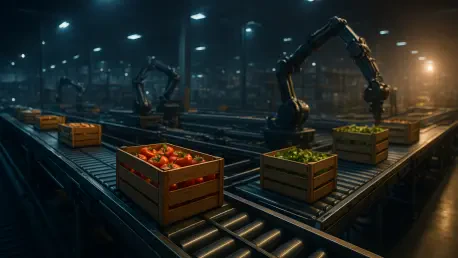

The Finnish retail landscape is becoming increasingly competitive, prompting Kesko to replace its aging legacy warehouse management systems with cloud-native technology. As one of Northern Europe’s primary retail entities, Kesko is navigating a market where consumer expectations for freshness and speed have reached an all-time high. This modernization initiative is not merely a software update but a fundamental reimagining of how goods flow from suppliers to the shelves of K-food stores and the loading docks of Kespro wholesale clients. With net sales for its grocery division having reached an impressive EUR 6.5 billion at the close of 2025, the stakes for maintaining operational excellence are incredibly high. By moving away from rigid, on-premise systems that required manual interventions and frequent downtime, the organization is positioning itself to handle the volatile demands of a modern omnichannel environment. This shift enables a more resilient supply chain that can adapt to rapid market fluctuations.
Strategic Shifts in Modern Retail Logistics
Replacing Outdated Systems: The Move to Cloud Architecture
The decision to implement the Manhattan Active Warehouse solution represents a significant pivot toward a versionless software model. Traditional enterprise platforms often trap organizations in a cycle of expensive and risky upgrades every few years, which can stall innovation and disrupt daily business. By contrast, this cloud-native approach ensures that Kesko remains on the most current version of the software through continuous, incremental updates that occur automatically. This transition encompasses five existing distribution centers and multiple terminal hub operations, creating a unified digital nervous system for the company’s entire logistics network. Such a centralized framework allows for better visibility into inventory levels and movement across the country, reducing the likelihood of stockouts or overstock situations. For a retailer of this scale, the ability to maintain a single, accurate view of stock is essential for meeting the diverse needs of both retail consumers and wholesale partners efficiently.
Synchronizing Supply Chain Operations: A Unified Strategy
Building on this foundation of software agility, the integration of a unified platform helps dissolve the silos that typically exist between different segments of a grocery supply chain. In the past, wholesale and retail fulfillment might have operated on disparate systems, leading to inefficiencies and communication gaps that could delay shipments. The current migration streamlines these processes, allowing for a more cohesive strategy that prioritizes the most critical orders based on real-time data. This level of synchronization is particularly vital given the high volume of perishable goods that Kesko manages daily. Reducing the time products spend in transit or sitting in a warehouse directly translates to fresher items for the end consumer and less waste for the business. As the project moves forward from 2026 to 2028, the emphasis will remain on ensuring that the technological backbone can support the increasing complexity of home delivery and click-and-collect services, which continue to grow in popularity.
Harnessing Intelligence for Operational Precision
Implementing Agentic AI: The Future of Warehouse Coordination
A defining feature of this technological overhaul is the deployment of agentic AI through Manhattan’s Agent Foundry. This specialized suite includes tools such as the Wave Coordinator, Labor, and Warehouse Associate Agents, which are designed to work alongside human staff to optimize complex logistics tasks. Unlike traditional automation, which follows a fixed set of rules, these AI agents can interpret live operational signals and adjust workflows in real-time to address bottlenecks as they arise. For instance, the Wave Coordinator can dynamically prioritize outbound shipments based on carrier arrival times or urgent order spikes, ensuring that the most time-sensitive tasks are completed first. This proactive management of the warehouse floor allows for a much more fluid response to the daily unpredictability of grocery logistics. By leveraging these advanced algorithms, Kesko aims to maximize the productivity of its existing workforce while simultaneously improving the overall accuracy of its fulfillment processes.
Scaling Infrastructure: Long-Term Growth and Innovation
The long-term vision for this partnership extended into the development of a major new greenfield facility, which the company slated for completion between 2029 and 2030. This site was intended to serve as a flagship for automated logistics, fully integrating the latest AI capabilities from the outset to set a new standard for Northern European retail. Ultimately, the transition away from fragmented legacy systems allowed the grocery giant to stabilize its margins and provide a more reliable service level across its expansive network. Managers focused on actionable insights derived from the platform’s data, which helped them refine labor allocation strategies and minimize operational friction. By prioritizing a cloud-first and AI-integrated approach, the organization successfully mitigated the risks of technical debt. Industry leaders noted that the project demonstrated how traditional retailers could use modern software to compete with digital-native entities, ensuring their supply chains remained a source of competitive strength.