



Zainab Hussain is a seasoned e-commerce strategist who has spent years at the intersection of customer engagement and warehouse operations management. She understands that the efficiency of the “last mile” begins at the very first dock door, and her insights into how physical AI is bridging the gap between manual labor and full automation are highly regarded in the retail sector. In this discussion, we explore the recent partnership between Ambi Robotics and Pickle Robot, focusing on how their integrated systems handle the heavy lifting of trailer unloading and palletizing. This collaborative leap represents a shift toward interoperability, where specialized technologies work in tandem to solve the most labor-intensive challenges in the modern supply chain without requiring a total overhaul of existing warehouse footprints.
How does the integration of specialized systems like Pickle Robot and Ambi Robotics redefine the way packages move through a modern logistics facility?
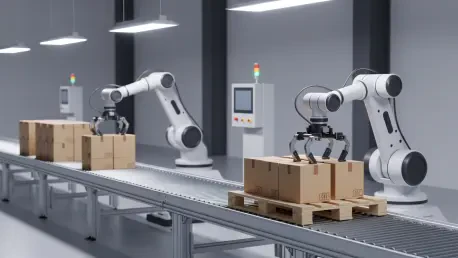
The synergy between these two platforms represents a massive shift from isolated automation to a truly continuous flow of goods. Imagine the chaotic environment of a dock door where inbound trailers are packed to the ceiling; now, instead of manual crews, the Pickle Robot system steps in to unload cases with a precision that feels almost surgical. These systems generate terabytes of real-world data, using machine learning to sense the environment and adjust their grip on varying package sizes. Once the freight hits the conveyor, it is handed off to the AmbiStack system, which identifies, scans, and stacks them for further operations. This seamless handoff eliminates the traditional bottlenecks where packages used to pile up, turning a once-clunky transition into a smooth, autonomous river of inventory moving toward the pallet.
Looking at the broader industry, why is the concept of interoperability becoming such a critical requirement for Fortune 500 retail and logistics operators?
In the past, warehouse managers often felt trapped, believing they had to choose between a “best-of-breed” specialized tool or a broader system that integrated easily but lacked top-tier performance. Interoperability removes that trade-off, allowing specialized physical AI systems to talk to one another as if they were designed by the same hand. It’s about creating a collaborative ecosystem where different technologies solve complex operational challenges together rather than in silos. When systems are interoperable, the value for the customer increases exponentially because the robots can orchestrate multi-robot processes that self-improve and self-correct over time. This approach ensures that the high-stakes supply chains of major retailers remain resilient and adaptable to the sheer volume of e-commerce demands.
What are the most significant advantages for a warehouse operator when implementing these AI-driven systems into existing infrastructure rather than undergoing a total facility redesign?
The real beauty of this collaboration lies in its respect for the existing physical footprint of the warehouse. Many logistics leaders fear that moving toward full automation requires a “rip and replace” strategy that halts operations for months, but this deployment proves that isn’t the case. By integrating with existing conveyor belts and docking layouts, operators can address labor-intensive workflows without the massive capital expenditure of a facility overhaul. There is a certain relief in seeing specialized automation fit into a standard dock door setup, proving that the next generation of logistics is about enhancement, not just replacement. It allows for a faster return on investment while immediately improving real-world throughput in environments that were previously reliant on back-breaking manual labor.
What is your forecast for the future of robotic orchestration in the supply chain?
I anticipate a shift toward “intelligent orchestration,” where the entire inbound-to-outbound journey is managed by interconnected AI that learns from every single package handled. We will move beyond just moving boxes; we will see systems that can predict surges and reconfigure their stacking logic in real-time to optimize every square inch of a pallet. This evolution will likely make Physical AI the standard operating procedure for any high-volume retailer looking to survive in the digital age. As these machines continue to digest terabytes of data, they won’t just follow instructions—they will actively participate in making the supply chain smarter, faster, and more responsive to the heartbeat of consumer demand.







