
The traditional grocery store is no longer just a warehouse of perishable goods but is rapidly evolving into a sophisticated digital ecosystem where physical interactions are captured as structured data. Instacart and NVIDIA are spearheading this transformation through a series of “Connected Store” initiatives that leverage Physical AI to bridge the gap between digital convenience and the tactile experience of in-person shopping. By embedding advanced computing directly into the shopping environment, these companies aim to create a unified commerce model that eliminates the historical friction between online browsing and physical browsing. Within the next decade, the industry expects a total convergence where every item touched, viewed, or purchased contributes to a real-time intelligence network. This shift is not merely about convenience; it represents a fundamental change in how retail environments are managed, moving away from static operations toward dynamic, data-driven systems that adapt to the behavior of each individual customer.
Facing the Chaos: Overcoming Environmental Obstacles in Modern Retail
The transition to a smarter retail floor is hindered by the inherent unpredictability of human environments, which are significantly more complex than the controlled digital landscapes of online marketplaces. Grocery stores present unique hurdles such as fluctuating light conditions, dead zones in wireless connectivity, and the erratic movement of thousands of customers and staff members daily. Retailers often struggle with what is known as the “business of exceptions,” where misplaced items, obscured labels, and sudden inventory shifts create a constant state of informational entropy. Standard software solutions typically fail in these scenarios because they cannot account for the messy reality of a shopper putting a cereal box back in the produce section or a child obscuring a barcode with their hand. Solving these problems requires a level of environmental awareness that goes beyond simple automation, demanding a system that can perceive, interpret, and react to physical anomalies in real time.
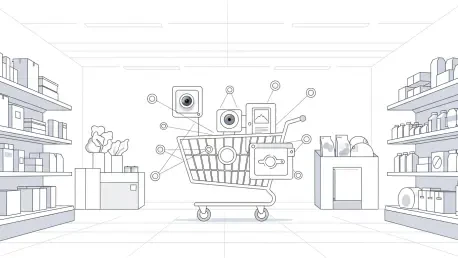
To address these physical challenges, Instacart has introduced the Caper Cart, a sophisticated smart trolley that integrates seamlessly into the existing layout of a grocery store while packing the punch of a high-end computer. This device is designed to feel familiar to the consumer, retaining the shape and utility of a standard cart, yet it features a suite of visual sensors and weight-certified scales that eliminate the need for manual scanning. The interactive screen provides a live total of the items inside, effectively turning the grocery trip into a transparent financial experience where there are no surprises at the register. By focusing on a device that is already central to the shopping experience, the technology avoids the high friction associated with asking customers to download new applications or learn complex new behaviors. Instead, the intelligence operates quietly in the background, assisting the shopper with personalized deals while gathering high-fidelity data.
Technical Synergy: Sensor Fusion and the Role of Edge Computing
Achieving the high level of precision required for automated checkout and inventory tracking necessitates a process called sensor fusion, which synthesizes data from multiple inputs to verify reality. If a visual sensor is momentarily blocked by a shopper’s arm, the cart relies on its integrated weight-certified scales to confirm that an object was added; conversely, if the scale is still stabilizing, the camera system provides the necessary identity of the product. This redundancy is powered by NVIDIA Jetson modules, which allow for intensive AI processing to occur directly at the edge rather than relying on a distant cloud server. Because the computation happens on the cart itself, the system maintains its performance levels even during peak hours when the store’s Wi-Fi might become congested or fail entirely. This localized processing ensures that the user experience remains smooth and responsive, which is critical for maintaining consumer trust in automated systems that handle inventory and money.
This sophisticated hardware stack creates a powerful “data flywheel” that generates value for both store operators and the consumer brands whose products line the shelves. In a traditional store, managers might only see the final sale at the register, leaving them blind to the “near-misses” or the specific paths a customer took before making a selection. With smart carts, retailers gain access to granular insights regarding when an item was picked up, how long it was held, and whether it was eventually returned to the shelf or purchased. This level of detail allows for highly optimized floor layouts and more accurate stock management, reducing the occurrences of out-of-stock items that frustrate customers and lead to lost revenue. For brands, this data provides a window into consumer psychology that was previously only available through online tracking, enabling more effective product placement and marketing strategies. This integration turns the physical aisle into a programmable space for maximum efficiency.
Contextual Intelligence: Transforming In-Store Media and Brand Engagement
The presence of a screen on every cart introduces a transformative opportunity for retail media, allowing brands to communicate with shoppers at the exact moment of decision-making. By leveraging the data from the cart’s sensors, the system understands the current contents of the basket and the cart’s precise location within the store to offer highly relevant suggestions. For instance, if a shopper adds a particular brand of pasta, the interface can instantly highlight a matching sauce or a discount on freshly baked bread from the nearby deli. This form of native marketing is significantly more effective than traditional signage or generic circulars because it provides immediate utility to the consumer while they are already in the buying mindset. It moves away from the intrusive nature of standard advertising and toward a service-oriented model where the technology acts as a personal shopping assistant, helping the user find the best values and complementary items that they might have otherwise missed.
Supporting this entire ecosystem is a deeply integrated intelligence layer built upon NVIDIA’s comprehensive hardware and software foundation, which bridges the gap between edge logistics and cloud-based personalization. This technological architecture allows for the processing of massive amounts of visual and telemetric data, which is then used to refine machine learning models that improve with every single transaction. The result is a cohesive narrative that connects the high-level supply chain logistics with the individual habits of the daily shopper, creating a more resilient and responsive retail environment. As these systems become more prevalent, the physical store is no longer a static point in the supply chain but a vital, data-rich component of the digital economy. This transformation ensures that brick-and-mortar locations remain competitive against pure-play e-commerce giants by offering a hybrid experience that combines sensory advantages with the data-driven efficiency and personalization of the web.
Strategic Implementation: Building the Unified Future of Global Commerce
To capitalize on these advancements, retailers must prioritize the modernization of their underlying infrastructure, focusing on the seamless integration of Physical AI into their daily workflows. The shift toward intelligent stores requires more than just deploying new gadgets; it demands a fundamental rethinking of how inventory is managed and how staff members interact with the technology. Successful implementations have shown that when employees are freed from mundane tasks like manual price checking or stock counting, they can focus on high-value activities such as customer service and specialized product demonstrations. This human-centric approach to automation ensures that technology enhances the shopping experience rather than replacing the personal touch that many consumers still value. Furthermore, the ability to predict demand at a hyper-local level through real-time data allows for a more sustainable supply chain, reducing food waste and ensuring that the right products are in the right places.
Looking back at the initial rollout of these systems, the industry successfully navigated the transition from trial phases to full-scale commercial deployments across major metropolitan areas. Retailers who adopted these Physical AI solutions early observed a significant increase in basket size and customer retention, as the friction of traditional shopping began to fade away. The collaboration between technology providers and grocery leaders established a new standard for operational excellence, demonstrating that the physical environment could indeed be as measurable as a website. Moving forward, the focus shifted toward expanding these capabilities to include more complex product categories and even more refined personalization algorithms. By embracing this unified commerce model, the industry moved toward an era where the distinction between digital and physical realms was completely erased, providing a blueprint for how other sectors might integrate advanced computing into the messy, unpredictable world of everyday life.