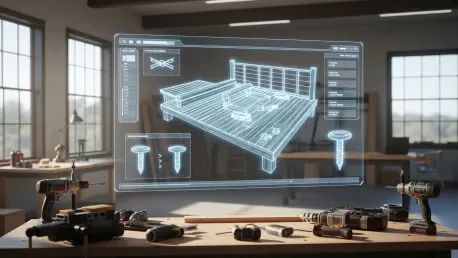

Walking into a sprawling home improvement warehouse often results in a disorienting search for a single specialized washer or a specific grade of lumber that remains hidden behind aisles of identical-looking industrial shelving. For decades, the do-it-yourself movement has been hindered by a significant knowledge gap where consumers know what they want to achieve but lack the granular technical understanding to select the correct components. While traditional e-commerce relies on the user to provide exact keywords, Agentic AI introduces a paradigm where the technology assumes the role of a master craftsman or an expert floor manager. Instead of merely processing a search query for copper pipe, these autonomous systems analyze the entire project context, from local building codes to existing plumbing layouts. This shift reduces the cognitive load on the shopper, turning a weekend of frustration into a streamlined process of execution. By managing the complexities of compatibility and sequencing, Agentic AI ensures that every purchase is a step toward completion rather than a reason for another return trip.
The Evolution of Customer Interaction: From Query to Agency
Bridging the Gap between Intention and Execution
The primary distinction between basic generative models and agentic systems lies in the ability of the latter to use tools and make independent decisions to achieve a specific goal. In the context of home improvement, an agent does not just offer advice on how to build a deck; it proactively accesses structural engineering calculators, verifies current timber prices across multiple local branches, and cross-references weather forecasts to suggest the optimal delivery window. This level of autonomy transforms the retail interface from a static digital storefront into a dynamic project partner that understands the nuances of construction. By integrating directly with enterprise resource planning systems, agentic models can autonomously resolve conflicts, such as identifying that a chosen screw type is incompatible with a specific pressure-treated wood. This eliminates the trial and error phase that often plagues novice DIYers. Consequently, the relationship between the retailer and the customer becomes one of high-trust collaboration where the AI serves as the technical lead, ensuring that all logistical and material requirements are met with surgical precision.
Precision in Resource Allocation and Project Guidance
Advanced visual recognition capabilities now allow these agents to perform sophisticated diagnostics through a simple smartphone camera lens, effectively replacing the need for on-site professional consultations for minor repairs. When a homeowner encounters a failing HVAC component or an electrical fault, the agentic system can analyze the live video feed to identify the exact serial number and model of the hardware. It then searches for service bulletins or recall notices before suggesting the precise replacement part required for the fix. This capability goes beyond mere identification, as the AI can simulate the installation process to ensure the user has the specific torque wrenches or specialized adhesives necessary to finish the job. By providing a comprehensive bill of materials that accounts for every secondary accessory, the agent prevents the mid-project stalls that occur when a small but vital component is missing. This level of foresight is particularly valuable in the DIY sector, where the lack of professional experience often leads to underestimated project scopes and mismatched material expectations.
Transformative Impacts on the Retail Ecosystem
Seamless Integration with Supply Chains and Logistics
Integrating agentic AI into the operational backbone of retail allows for a level of logistical synchronization that was previously impossible without manual oversight by a human project manager. These systems communicate directly with regional distribution centers to monitor the real-time movement of goods, ensuring that if a specialized countertop is delayed, the agent automatically adjusts the entire project timeline. It can then notify the customer and offer to reschedule auxiliary tool rentals or professional assistance that was booked to coincide with the delivery. This creates a resilient ecosystem where disruptions are handled autonomously, minimizing the financial and emotional stress on the consumer. Furthermore, these agents can optimize the last mile delivery by grouping orders from multiple users in the same neighborhood who are working on similar projects, thereby reducing carbon footprints and delivery costs. This operational intelligence ensures that the physical supply chain is as flexible and responsive as the digital interface, allowing retailers to maintain high service standards even during periods of peak seasonal demand.
Strategic Directions for Integrated Commerce Solutions
To achieve this level of integration, organizations prioritized the standardization of product metadata and the opening of secure API gateways to foster an interconnected retail environment. They recognized that the value shifted from the product itself to the intelligence of the system that facilitated its selection and use. Leaders in the space invested heavily in edge computing to ensure that visual recognition and reasoning occurred locally, preserving user privacy while maintaining high-speed responsiveness. Strategic partnerships between hardware manufacturers and AI developers became the norm, as components needed to be agent-ready with embedded digital documentation. Retailers who successfully navigated this transition focused on building a knowledge graph of every item in their catalog, which enabled agents to understand the functional relationships between disparate parts. Ultimately, the industry moved away from transactional commerce toward a service-oriented model where the primary goal was the successful completion of the project. This evolution required a foundational shift in how inventory was managed and how customer success was measured.