
As an e-commerce strategist who has navigated the shifting tides of digital retail for years, Zainab Hussain has a front-row seat to the evolution of customer engagement. With a professional background rooted in operations management, she understands that the most brilliant marketing strategies often fail if the underlying technical infrastructure is too rigid to adapt. Today, she shares her insights on the groundbreaking collaboration between Glance and Productsup, a partnership designed to bridge the gap between traditional product feeds and the burgeoning world of AI-driven shopping.
The discussion explores how enterprise brands are finally overcoming the technical debt that has historically slowed their entry into new markets. By streamlining the flow of data across over two trillion product touchpoints and bypassing the typical months-long IT delays, this integration allows retailers to reach consumers on unconventional surfaces like mobile lock screens and smart TVs. We delve into the concept of agentic commerce, the importance of maintaining brand ownership over customer data, and the strategic advantage of using existing workflows to power the next generation of AI-enabled shopping experiences.
How do traditional API integrations typically act as a hurdle for brands trying to pivot to new commerce trends, and how does this latest partnership resolve that friction?
In my experience working with large-scale retailers, the “months of delay” often cited in integration projects aren’t just an inconvenience—they are a significant drain on market agility. Traditionally, every time a brand wanted to enter a new channel, it required a custom API build, which created a massive internal IT bottleneck and left marketing teams waiting on the sidelines while trends passed them by. By making Glance a native export channel within Productsup, that friction is almost entirely removed. Brands can now use the exact same workflows they already rely on for giants like Google Shopping, TikTok, or Amazon. Instead of rebuilding their entire technical stack, they simply select Glance from an existing library, map their catalog data, and they are live, turning a complex engineering task into a standard operational routine.
With Productsup processing over two trillion products a month across 2,500 channels, what does this level of scale offer to enterprise-level retailers like Sephora or PUMA who are looking to adopt agentic commerce?
Scale is the ultimate validator in the e-commerce world, and seeing a platform manage two trillion products gives enterprise leaders the peace of mind that the system can handle their most complex global inventories. For iconic brands like Sephora, Beiersdorf, or PUMA, the real value lies in the ability to enrich “agentic attributes,” which essentially helps AI agents understand the specific context and intent behind a product. It isn’t just about moving data; it’s about optimizing that data to a standard where an AI can intelligently match it to a shopper’s needs. Because Productsup already services over 1,000 enterprise customers, these brands can transition into the Glance ecosystem with high-quality data standards they already trust, ensuring their products are seen and understood by AI systems without a hitch.
Glance has recently expanded its reach to Samsung TV and mobile lock screens. How do these unconventional shopping surfaces change the way consumers interact with brands?
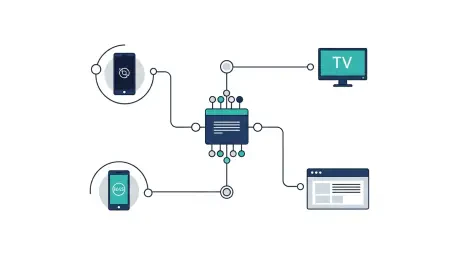
We are witnessing a shift where commerce is moving from a destination you visit to an experience that finds you where you already are. By turning millions of Samsung TV screens and Galaxy devices into personalized, AI-driven shopping hubs, Glance is capturing attention on surfaces that traditional advertising platforms simply cannot reach. This creates a sensory, ambient shopping environment—imagine a consumer discovering a product while relaxing in their living room or glancing at their phone lock screen. For a brand, being able to tap into this inventory through existing OEM and carrier partnerships is incredibly powerful. It allows them to bypass the noise of crowded marketplaces and engage tens of millions of consumers through infrastructure they are already operating, making the path to purchase feel more like a natural discovery than a forced interaction.
Many brands worry about losing their direct relationship with the customer when entering third-party AI ecosystems. How does this model protect the brand’s ownership of the purchase experience?
This is perhaps the most sensitive topic for any strategist, as maintaining the integrity of the checkout experience is vital for long-term brand loyalty. One of the most compelling aspects of this partnership is that Glance is designed to extend the customer relationship rather than replace it. Brands keep full ownership of the checkout process, their customer data, and the specific purchase journey they have spent years perfecting. This means a merchant can benefit from the massive reach of agentic commerce while still keeping the “front-door” connection to their shoppers. It provides the best of both worlds: the innovative discovery power of AI agents and the secure, branded environment of the retailer’s own checkout system, ensuring that the brand—not the platform—stays at the heart of the transaction.
What is your forecast for agentic commerce?
I believe we are entering an era where “searching” for products will soon feel as outdated as dial-up internet, replaced by a world of “intent and fulfillment” driven by proactive AI agents. In the coming years, the brands that thrive will be those that have mastered their product data feeds to be so high-quality that an AI can act on them instantly across any device, from a smart watch to a refrigerator. We will see shopping become even more decentralized, moving further away from centralized apps and deeper into the operating systems of our daily lives. This partnership is a clear signal that the future of retail isn’t just about being online; it’s about being present, intelligent, and frictionless on every screen a consumer touches, making the technology behind the scenes the ultimate driver of human connection and brand growth.