
Proactive communication regarding shipping delays is the most effective defense against swamping customer service teams with inquiries during the holiday rush. The retail landscape has undergone a fundamental transformation, shifting the traditional year-end sales spike into a grueling, two-month marathon that tests the limits of even the most established brands. What was once a concentrated weekend of activity around Black Friday has expanded into a sustained period of high demand that stretches from early November through the final days of December. To survive this extended peak, retailers must move away from reactive firefighting and instead adopt a holistic strategy that prioritizes long-term operational endurance over short-term bursts of energy. This expanded timeframe places unprecedented pressure on every link in the supply chain, from warehouse staff to delivery networks. With online spending reaching record highs in 2026, the cost of failure has never been more significant for market leaders who wish to retain their dominance.
Technical Resilience: Strengthening Systems and Infrastructure
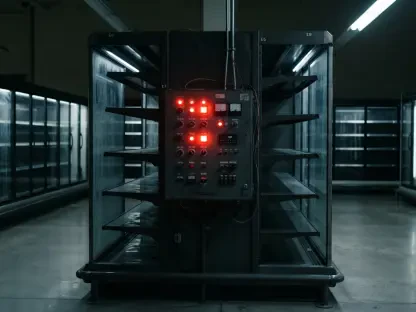
Preparation for the peak season must begin months before the first promotion goes live, focusing heavily on the stability of digital and physical systems that underpin the customer experience. The most successful retailers conduct rigorous, end-to-end stress testing to ensure that their infrastructure can handle sudden surges in traffic and order volume without degradation in speed or accuracy. A critical rule for maintaining stability is the strict avoidance of last-minute software updates or major configuration changes; making alterations to core systems on the eve of a major sale creates unnecessary risk that can lead to catastrophic outages. Such technical failures during peak periods do more than just halt sales; they result in a permanent loss of customer trust that is difficult and expensive to rebuild. Ensuring technical resilience means that the digital storefront remains robust under pressure, providing a seamless path from the initial click to the final confirmation email.
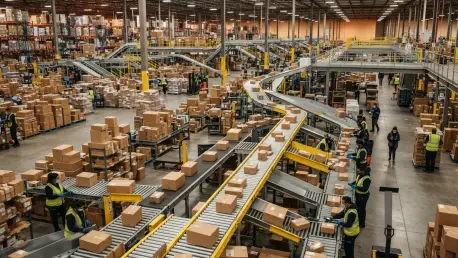
Building a resilient operation also requires identifying and addressing specific bottlenecks within the warehouse and shipping processes long before they become critical points of failure. Resilience is not merely about having the raw capacity to handle high volumes, but also about the ability to maintain consistent performance when forecasts fluctuate unexpectedly. By conducting simulated peak scenarios, logistics managers can pinpoint areas where labor shortages or machinery downtime might halt production. This proactive stance allows for the early implementation of redundancy measures, such as secondary picking lines or alternative sorting protocols. When these systems are refined well in advance, businesses can navigate the most intense periods of the year with a calculated sense of calm. This stability ensures that every order is processed accurately and efficiently, regardless of whether the daily volume meets the baseline or exceeds the most optimistic projections of the marketing team.
Operational Reality: Synchronizing Customer Promises
One of the primary sources of friction during the peak season remains the disconnect between the delivery date promised at checkout and the actual processing capacity of the logistics network. As warehouse processing times naturally increase due to high volume, a static delivery algorithm that does not account for real-time constraints becomes a major liability for the brand. To maintain credibility and avoid breaking trust, retailers must ensure that their online checkout systems are fully synchronized with real-time warehouse data. This integration allows the storefront to provide realistic delivery timelines that reflect the true state of current operations, including any temporary backlogs or carrier delays. By grounding the delivery promise in physical reality rather than marketing ideals, retailers prevent the initial excitement of a purchase from turning into frustration when the package fails to arrive as expected. Accuracy at checkout is a fundamental building block of customer retention.
When unavoidable delays do occur, proactive transparency serves as the most effective defense against widespread customer dissatisfaction and brand erosion. Providing clear, automated updates about order status and potential holdups can significantly reduce the burden on customer service teams, who are often overwhelmed during peak periods. Instead of waiting for a customer to inquire about a late parcel, sophisticated systems trigger notifications the moment a delay is detected in the supply chain. This approach manages expectations through clear communication, transforming a potential logistical failure into a demonstration of reliability and care. By keeping the customer informed at every touchpoint—from packing to transit to final delivery—retailers can mitigate the negative psychological impact of a delay. This strategy fosters a sense of partnership between the brand and the buyer, ensuring that the final impression of the transaction remains positive despite the challenges of the season.
Integrated Logistics: Achieving Agility Through Software
Operational agility becomes essential when primary delivery carriers reach their capacity limits or encounter systemic disruptions during the final weeks of the year. Many retailers struggle during peak periods because their e-commerce platforms, warehouse management systems, and shipping tools operate in isolated silos, preventing a coordinated and rapid response to emerging challenges. A unified software suite that connects these disparate functions allows for sub-optimized flows to be corrected in real-time, enabling managers to switch between different carrier options or update workflows instantly as demand shifts. This level of visibility ensures that decisions made in the boardroom are instantly reflected on the warehouse floor. Without this technological bridge, retailers are often blind to the exact location of bottlenecks until they have already impacted the bottom line. Integration provides the necessary oversight to redirect resources where they are most needed during the rush.
The reliance on a best-of-breed software approach, while offering specialized features, often results in a lack of deep integration that hampers quick decision-making under pressure. In contrast, a connected ecosystem ensures that the warehouse and the carrier network function as a single, cohesive unit capable of reacting to micro-trends in order flow. This level of coordination allows retailers to implement a Plan B seamlessly, ensuring that parcels continue to move even when one part of the network faces a significant bottleneck or regional outage. True agility is born from this technological connectivity, providing the granular control necessary to handle high-pressure scenarios that would otherwise lead to operational paralysis. By investing in systems that talk to one another, retailers can optimize their shipping costs and transit times dynamically. This technological foundation is what separates the market leaders from those who are merely surviving the peak season by reacting to problems.
Strategic Returns: Managing Logistics and Loyalty
The rise of e-commerce, particularly within the fashion sector, has effectively turned the consumer’s home into a temporary fitting room, leading to a surge in return volumes during and after the peak season. Rather than viewing reverse logistics purely as a drain on resources or a necessary evil, savvy retailers are beginning to use return policies as a strategic tool for building long-term customer loyalty and repeat sales. While some brands have introduced flat fees to offset rising shipping costs, a more effective and nuanced approach involves using data to create tiered policies. These systems reward high-value, loyal shoppers with flexible or free return options while applying stricter terms to infrequent or high-risk accounts. By implementing such a strategy, businesses can protect their profit margins without alienating their most profitable customer segments. This approach balances the financial health of the company with the expectations of a modern and demanding digital consumer base.
Efficiently managing the return marathon required the same level of technical integration as the initial sale, ensuring that returned goods were processed quickly and made available for resale to maximize inventory turnover. When handled correctly, a seamless return process reinforced customer trust and encouraged future business, turning a complex logistical challenge into a long-term competitive advantage. Retailers who focused on synchronization between the warehouse and the storefront identified that transparency was the most valuable currency during times of high stress. They avoided the pitfalls of siloed data by investing in unified platforms that allowed for real-time adjustments to carrier schedules and labor allocation. Ultimately, the successful organizations viewed the peak season not as a series of disconnected crises, but as a continuous cycle that demanded persistent technical resilience. By prioritizing the stability of their systems and the clarity of their communication, they maintained a stable path toward growth throughout the year.