
Standing at a local cafe today, the sound of a contactless payment tap often signifies the transfer of USDC or USDT rather than traditional fiat currency, marking a monumental shift in how global commerce functions. The integration of stablecoin technology into mainstream retail environments has moved beyond the pilot phase, thanks to providers like Ingenico enabling digital asset support on millions of point-of-sale terminals. This transformation allows consumers to bypass the volatility of traditional cryptocurrencies while maintaining the efficiency and low costs of blockchain technology. As a result, the conversation in 2026 has transitioned from whether one can spend digital assets to which specific wallet offers the most seamless experience at the register. The infrastructure is now so pervasive that the choice of a digital wallet directly impacts the speed, security, and cost of every transaction. Selecting a tool that balances private key security with a user-friendly mobile interface is paramount for anyone navigating this updated financial landscape. With stablecoins like USDC and EURC becoming standard payment options, understanding the underlying mechanics of these systems is no longer optional for the modern consumer.
1. The Standard Procedure for In-Store Digital Transactions
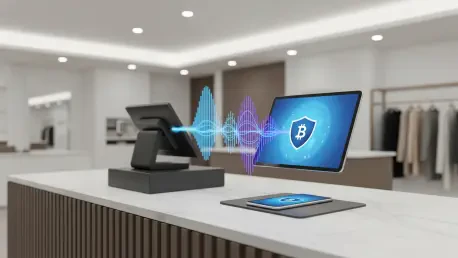
To complete a purchase at a physical register using stablecoins, the transaction follows a specific and highly secure sequence designed to protect the consumer and the merchant. The process begins when the payment terminal creates a bill request, which is typically triggered by the merchant entering the total cost into the system. This machine then displays a dynamic QR code or initiates a contactless NFC prompt for the specific price using backend protocols like WalletConnect Pay. This initial step ensures that the transaction data, including the exact amount and the destination address, is correctly formatted before the user even interacts with their device. By standardizing this communication, retailers avoid the errors associated with manual address entry, making the crypto checkout as reliable as a traditional credit card swipe.
Once the payment terminal presents the request, the user’s digital wallet detects the transaction details immediately upon scanning or tapping. The mobile device displays a clear summary that includes the identity of the merchant, the total cost of the goods, and the specific stablecoin being utilized for the payment. This transparency is a critical component of the retail experience, as it allows the buyer to verify the accuracy of the charge before any funds are moved. This phase of the process bridges the gap between decentralized finance and the physical marketplace, providing a real-time bridge that interprets complex blockchain data into a human-readable format. This ensures that the user remains in control of the interaction from the moment they approach the register until the funds are successfully authorized.
After the transaction details are reviewed, the user provides a single authorization on their device, which remains the most vital security step in the entire sequence. This confirmation uses the phone’s local security features, such as biometrics or a passcode, to sign the transaction with a private key that never leaves the mobile hardware. Because the private key is never shared with the store or the payment processor, the risk of data breaches or card skimming is effectively eliminated in this environment. Once the authorization is complete, the wallet broadcasts the signed message to the network, finalizing the user’s involvement in the transaction. This level of cryptographic security provides a significant advantage over traditional payment methods, which often rely on sharing sensitive account numbers that can be intercepted or reused maliciously.
The final stage of the sequence involves the business completing the transaction through its chosen payment architecture. The authorized stablecoins are sent directly to the store’s payment processor, which manages the settlement of the funds on the blockchain. Depending on the merchant’s preference, the processor may keep the stablecoins in a digital treasury or convert them into traditional cash instantly to avoid exposure to any minor market fluctuations. This backend automation allows small businesses to accept digital assets without needing deep technical knowledge or complex accounting software. The instant nature of blockchain settlement means that merchants often see their funds finalized much faster than the standard multi-day waiting periods associated with legacy banking systems, fostering a more efficient local economy.
2. Top-Tier Wallet Solutions for Modern Retail
IronWallet has emerged as a premier choice for retail payments due to its focus on accessibility and cost-efficiency within the decentralized ecosystem. As a non-custodial solution that requires no identity checks, it appeals to users who prioritize privacy and self-sovereignty over their financial assets. The wallet supports over 10,000 distinct assets, but its true retail edge lies in its specialized handling of the Tron network. Specifically, it utilizes gasless technology for USDT transactions, allowing the system to deduct network fees directly from the stablecoin being sent. This eliminates the common frustration of needing to carry a secondary token like TRX just to cover transaction costs, making the checkout experience as straightforward as spending cash.
In contrast, MetaMask continues to serve as a cornerstone for those already deeply embedded in the cryptocurrency space, offering unparalleled compatibility with the WalletConnect network. Recent updates have expanded its reach beyond the Ethereum ecosystem, allowing it to function seamlessly across various networks including Solana and Bitcoin. While its interface remains slightly more optimized for power users, its presence in the retail sector is solidified by its widespread adoption and the trust it has built over years of development. For the consumer, using MetaMask at a retail location means having access to a highly customizable environment where they can manage multiple accounts and network layers. This versatility ensures that regardless of which blockchain a store supports, a MetaMask user is likely equipped to handle the transaction.
Trust Wallet offers a massive scale of operation, serving over 200 million people globally with support for more than 110 different blockchains. Its retail advantage is primarily centered on its proactive security measures, which include a built-in security scanner designed to detect fraudulent payment prompts. In a busy retail environment where malicious actors might attempt to spoof a payment terminal, this scanner acts as a critical line of defense for the consumer. By analyzing the smart contract or the destination address in real-time, Trust Wallet can warn the user of potential risks before they authorize a payment. This focus on safety, combined with an intuitive mobile design, makes it a reliable companion for everyday shopping in various international markets.
Coinbase Wallet and Bitget Wallet represent two different approaches to bridging the gap between digital assets and traditional retail spending. Coinbase Wallet offers a highly user-friendly interface that connects directly to major payment stacks like Stripe, making it an excellent entry point for beginners. Although it is a self-custodial tool, it provides a streamlined experience that mimics traditional banking apps, though it currently lacks support for the Tron network’s cheaper USDT transfers. On the other hand, Bitget Wallet takes a hybrid approach by supporting over 100 blockchains and offering a crypto debit card. This card serves as an essential backup for stores that have not yet updated their hardware to support direct wallet-to-terminal stablecoin transfers, ensuring that the user can spend their assets anywhere credit cards are accepted.
3. Essential Verifications Before Reaching the Checkout Counter
Before heading to the register, a consumer must ensure that their digital assets are positioned on a blockchain network that is compatible with the store’s payment terminal. Most modern terminals are programmed to handle transactions on major networks such as Ethereum, Base, and Polygon, but compatibility can vary significantly between different merchants. If a user holds USDC on a network that the merchant’s processor does not support, the transaction will fail, potentially causing delays at the checkout. Verifying this information through the merchant’s signage or by checking the wallet app’s retail map can prevent these technical hurdles. This preparation is a small but necessary shift in consumer behavior, moving from selecting a physical card to selecting the appropriate digital network for the transaction.
Equally important is the review of how transaction costs, often referred to as gas fees, are handled by the chosen digital wallet. Some wallets allow for gasless payments where the network fee is bundled into the stablecoin transfer, while others require the user to maintain a small balance of a secondary native token. For example, a payment made on the Ethereum network might require a small amount of ETH to execute, whereas a payment on the Polygon network would require MATIC or POL. Understanding whether a wallet automates this process or requires manual management of fee tokens is essential for a smooth experience. Consumers who fail to account for these fees may find themselves unable to complete a purchase despite having an ample balance of stablecoins, making it vital to check these settings before reaching the front of the line.
The increasing prevalence of Layer 2 solutions has further complicated but also improved the cost structure of retail stablecoin payments. These secondary layers, built on top of primary blockchains like Ethereum, offer much lower fees and faster transaction times, which are ideal for small purchases like a cup of coffee. However, the user must ensure that their funds are bridged to the correct layer before they attempt to pay. Many modern wallets now offer internal bridging services that can move assets between layers in a matter of seconds. By taking a moment to organize their digital portfolio onto a low-cost network before shopping, a consumer can enjoy the benefits of blockchain technology without paying excessive fees that would otherwise negate the convenience of the digital asset.
Finally, users should be aware of the specific stablecoin variants they are carrying, as the retail market has standardized around a few key assets. While USDC and USDT remain the dominant choices, the rise of EURC for European markets and other localized stablecoins has expanded the options available to the global traveler. Most payment processors are designed to accept these primary assets because of their high liquidity and reliable peg to traditional currencies. Carrying a recognized and widely supported stablecoin ensures that the payment terminal can instantly recognize the asset and process the bill request. This standardization has been a key driver in the widespread adoption of digital assets in the retail sector, as it provides a predictable and stable environment for both the buyer and the seller.
4. Addressing Common Retail Cryptocurrency Inquiries
One of the most frequent questions regarding stablecoin payments in a physical shop involves the actual mechanics of the interaction at the register. To use these assets, a consumer simply needs to scan the QR code provided by the merchant or tap their phone against an NFC-enabled terminal, much like they would with a digital wallet for a credit card. Once the details appear on the mobile screen, the user reviews the amount and the merchant’s name before hitting the approve button. The merchant then receives a confirmation through their service provider, and the transaction is finalized. This system is designed to be as intuitive as possible, removing the complexity of blockchain addresses and making the technology accessible to the general public regardless of their technical background.
A common misconception is that a user must manually swap their cryptocurrency for traditional cash before they can spend it at a store. In reality, the modern payment infrastructure is built for direct spending, where the stablecoin stays in its digital form until the point of transaction. The merchant’s payment processor is the entity that handles any necessary conversions behind the scenes, often settling the transaction in the merchant’s local currency if they choose not to hold digital assets. This means the consumer does not need to worry about exchange rates or liquidity at the moment of purchase. Most terminals currently accept a variety of coins including USDC, USDT, and EURC across several major blockchains, providing flexibility for the international shopper.
There is also a distinction to be made between using a crypto debit card and making a direct wallet payment at a retail location. A crypto card typically operates on traditional financial networks like Visa or Mastercard and converts the user’s digital assets into cash at the moment the card is swiped. In contrast, direct wallet payments send the stablecoin natively over a blockchain, which often results in lower fees for the merchant and higher security for the consumer. While cards offer broader compatibility with older hardware, direct wallet payments represent the true potential of decentralized finance by cutting out many of the traditional intermediaries. Both methods are valid in the current market, but the trend is clearly moving toward native blockchain transactions as hardware continues to be updated.
Privacy and identity verification remain significant topics of discussion for those using digital wallets in a retail setting. While the wallets themselves generally do not require identity verification, or KYC, to function for peer-to-peer or basic retail transactions, other parts of the ecosystem might. For instance, the service used to originally purchase the stablecoins or the specific payment processor used by the merchant may have regulatory requirements to collect certain information. However, for the individual transaction at the register, the experience is designed to be as private as possible, with no personal data being shared with the merchant during the authorization process. This balance between regulatory compliance and user privacy is a hallmark of the financial landscape that has developed over the past few years.
5. Strategic Implementation for Daily Stablecoin Usage
The transition to stablecoin payments in retail has been a transformative period that redefined the relationship between digital assets and daily life. Looking back at the initial adoption phase, it is clear that the arrival of hardware-level support for blockchains was the catalyst that moved stablecoins from the realm of online trading into the physical world. Consumers who embraced these tools early benefited from reduced transaction costs and enhanced security, setting the stage for the universal acceptance seen today. The evolution of gasless transactions and Layer 2 scaling solutions resolved the primary friction points that once hindered the scalability of digital payments. This progress has effectively turned the smartphone into a global, high-speed financial terminal capable of executing secure transfers across borders without the need for traditional bank accounts.
To maximize the benefits of this technology, consumers should take proactive steps to optimize their digital spending habits. First, users are encouraged to consolidate their retail funds into wallets that support gasless transactions on networks like Polygon or Base to minimize overhead costs. Additionally, maintaining a small balance of multiple stablecoins, such as USDC and EURC, can provide extra flexibility when traveling or shopping at merchants with specific currency preferences. It is also wise to regularly update wallet software to ensure that the latest security patches and network compatibility features are active. By staying informed about which blockchains are most widely supported by major retailers, individuals can ensure they always have a functional and cost-effective method of payment at their fingertips.
Another important consideration for the future is the integration of loyalty programs and digital receipts directly into the wallet experience. Many merchants are now beginning to offer tokenized rewards that are automatically sent to the user’s wallet upon completion of a stablecoin transaction. This creates a more unified shopping experience where payments and loyalty incentives are handled through a single interface. Users should look for wallets that support these emerging standards to take full advantage of the perks offered by their favorite retailers. As the ecosystem continues to mature, the ability to manage all aspects of a retail transaction within a secure, non-custodial environment will become the standard expectation for consumers worldwide.
The success of stablecoin payments in 2026 serves as a blueprint for the future of all digital finance. By prioritizing user control and technical standardization, the industry has created a payment system that is both more resilient and more efficient than the legacy structures it was designed to supplement. Moving forward, the focus will likely shift toward even deeper integration with decentralized identity and automated financial management tools. For the average shopper, the goal is simple: a fast, secure, and cheap way to pay for goods and services. With the right wallet and a basic understanding of the underlying network, that goal is now a daily reality for millions of people around the globe, marking the definitive end of the era of speculative crypto and the beginning of its era as a practical utility.