
The fast-casual restaurant landscape has transformed into a high-stakes digital battlefield where every transaction provides a goldmine of data for those capable of decoding it efficiently. In this climate, Chipotle Mexican Grill is not merely competing on the quality of its carnitas or the freshness of its guacamole; it is leveraging sophisticated artificial intelligence to redefine the very concept of brand loyalty. As consumers become increasingly accustomed to frictionless, highly tailored experiences, the margin for error has narrowed significantly. Chipotle’s digital-first strategy, anchored by its Chipotlane drive-thrus and a robust rewards program, serves as the primary testing ground for these innovations. The goal is to move beyond the traditional rewards model toward a predictive ecosystem that anticipates cravings. By integrating AI into the core of its operations, the company seeks to create a loop where data-driven insights lead to better service and retention.
The Personalization Paradigm: Scaling Individual Experiences
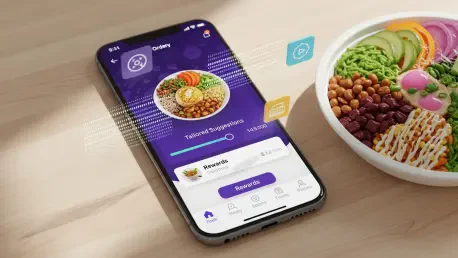
The engine driving this transformation is a massive database of millions of active loyalty members, whose behavioral patterns are now analyzed by advanced machine learning algorithms. Instead of sending out mass marketing blasts that often end up in the digital trash bin, the company utilizes predictive analytics to craft individualized journeys for every diner. This approach allows the brand to segment its audience with surgical precision, identifying “at-risk” customers who haven’t visited in several weeks and offering them a bespoke incentive that aligns with their historical purchase data. For example, a customer who consistently orders plant-based bowls might receive a personalized notification about a new limited-time tofu offering, accompanied by a double-points bonus. This level of granular engagement does more than just drive a single transaction; it fosters a sense of being understood by the brand. This effectively turns the loyalty program into a dynamic conversation.
Beyond simple promotional tactics, the integration of AI extends into the actual ordering interface, where the mobile app has become a sophisticated digital concierge. By utilizing collaborative filtering and real-time contextual data, the system can suggest add-ons or menu modifications that enhance the customer’s specific meal preference while simultaneously increasing the average check value. If a user typically orders during peak lunch hours, the AI might suggest a rapid-pickup time at a nearby location that is currently experiencing lower traffic, optimizing the flow of both the restaurant and the customer’s schedule. This seamless blend of convenience and personalization creates a psychological “lock-in” effect, where the ease of the experience becomes a significant barrier to switching to a competitor. As these algorithms continue to refine themselves through feedback, the accuracy of their suggestions improves, making the digital platform an essential part of the daily routine.
Operational Excellence: Integrating Machine Intelligence
The technological shift is not confined to the digital interface; it has also permeated the physical kitchen environment through the deployment of “cobotic” systems and automated prep tools. For instance, the implementation of the Autocado—an AI-driven robot designed to cut, core, and peel avocados—addresses one of the most labor-intensive tasks in the kitchen while ensuring consistent quality and reduced waste. By automating these repetitive processes, the company allows its human team members to focus more on hospitality and the final assembly of orders, which are critical touchpoints for customer satisfaction. This operational efficiency is directly linked to loyalty, as faster service times and higher order accuracy are the primary drivers of repeat visits. When AI manages the heavy lifting of food preparation, it minimizes the variance that often plagues high-volume fast-casual outlets. The result is a more predictable product that meets the high expectations of a demanding customer base.
Successful organizations recognized that the future of the industry depended on their ability to bridge the gap between digital convenience and human-centric service through thoughtful technology. To remain competitive, leaders prioritized the development of transparent data policies that built trust with users while extracting maximum value from every interaction. They realized that the next step required an even deeper integration of AI into supply chain logistics to ensure that local sourcing remained viable even as the scale of operations increased. Moving forward, the industry moved toward a model where predictive inventory management virtually eliminated food waste by aligning kitchen output with real-time neighborhood demand. The most effective strategies involved treating technology not as a replacement for the culinary experience, but as an invisible facilitator. By investing in these foundational technologies, companies secured their position at the top and proved data was king.