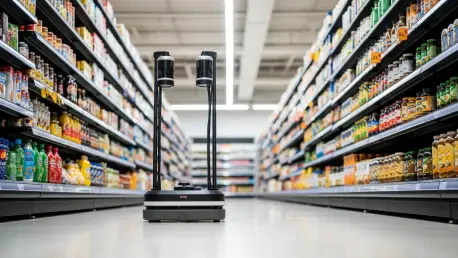

The persistent gap between a retailer’s digital database and the actual physical inventory on the shelf costs the global industry billions annually in lost sales and operational inefficiency. This review explores the evolution of AI shelf scanning, its key features, and performance metrics within modern applications. By bridging the divide between data and reality, this technology provides a thorough understanding of current capabilities and future developments in the retail landscape.
The Evolution and Core Mechanics of Autonomous Shelf Scanning
Shelf scanning has moved beyond manual clipboards to a sophisticated blend of mobile robotics and cloud-based computer vision. Historically, retailers struggled with human error and labor shortages that left inventory records inaccurate for days. The modern iteration, exemplified by systems like BrainOS, utilizes existing robotic platforms like floor scrubbers to collect high-frequency data. This piggybacking strategy is unique because it maximizes the utility of a single asset, allowing a machine to clean and scan simultaneously without adding extra staff to the floor.
Core Pillars of AI-Powered Inventory Visibility
High-Fidelity Computer Vision and Data Capture
This pillar relies on high-resolution sensors to map store aisles with extreme precision. The technology captures thousands of images in real time, identifying product placements and price tag discrepancies. Achieving accuracy rates in the high 90s, these systems eliminate the “visibility gap” that often plagues legacy systems. This precision matters because it transforms a store’s digital twin from a static map into a live, actionable representation of the sales floor.
Machine Learning and Iterative Pattern Recognition
Algorithms allow these scanning systems to improve through continuous exposure to varied store environments. As a robot traverses aisles, it becomes more adept at recognizing specific layouts and inventory patterns unique to a location. This iterative process allows the system to distinguish between an actual stockout and a misplaced item. This learning capability shifts the robot from a passive observer to an intelligent entity that refines store operations over time.
Emerging Trends in Data-Driven Retail Operations
The industry is currently shifting from reactive corrections toward proactive digital strategies. One notable trend is the synthesis of robotic automation with real-time analytics, allowing managers to fix discrepancies before they impact the customer. There is also a movement toward multi-purpose robotics, where a single machine handles both facility maintenance and inventory scanning. This trend reflects a desire to maximize autonomous assets while reducing the physical burden on human associates.
Real-World Applications in the Grocery and Retail Sectors
A prominent application is found in the Albert stores under the Ahold Delhaize umbrella, where 350 locations utilize this technology. Robots scan hundreds of aisles to ensure product availability and pricing accuracy across a massive regional network. Notable implementations have shown that automating these tasks allows store associates to focus on customer service. By resolving errors like outdated paper tags, retailers maintain a consistent experience that manual checks simply cannot replicate.
Addressing Adoption Barriers and Technical Hurdles
Despite its success, AI shelf scanning faces challenges including the initial cost of deployment and integration with legacy inventory systems. Technical hurdles like navigating crowded aisles or managing low-lighting conditions can also affect real-time performance. Furthermore, the transition requires a shift in store culture and employee training. Development efforts now focus on improving edge computing to process data faster and reduce the reliance on constant cloud connectivity for immediate insights.
The Future Landscape of Autonomous Retail Intelligence
The trajectory points toward a synchronized environment where inventory data updates globally in real time. Future developments will likely involve deeper integration with consumer apps, allowing shoppers to see availability before they even enter the store. As machine learning models grow more sophisticated, these systems will eventually predict stockouts before they occur. The long-term impact will be a resilient supply chain and an optimized model that balances robotic efficiency with human-centric service.
Final Assessment of AI Shelf Scanning Technology
This technology established itself as a transformative tool that successfully merged digital data with physical retail spaces. It delivered high accuracy rates and a clear return on investment by reducing lost sales and labor costs. While challenges remained regarding integration, the successful scaling across Europe suggested a stable foundation for expansion. Ultimately, AI shelf scanning transitioned from a futuristic concept into a fundamental component of the modern, data-driven retail infrastructure.