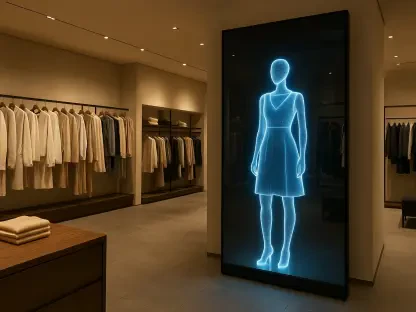

The boundary between browsing a catalog and participating in the manufacturing process has effectively disappeared with the arrival of generative design assistants. By leveraging deep learning models, retail platforms have moved beyond simple keyword matching toward an environment where consumers describe what they desire and the system manifests it in real time. This transition marks the end of the passive discovery era, replacing it with an interactive marketplace that prioritizes individual creative intent over mass-market availability.
Understanding the Shift Toward Generative AI in E-Commerce
The move toward generative design represents a fundamental pivot in how digital storefronts operate. Traditional e-commerce relied on the user’s ability to filter through existing inventory, but the new paradigm allows for the creation of products that did not exist seconds prior. By utilizing generative design principles, the system translates natural language into high-fidelity visuals, bridging the gap between a shopper’s imagination and a physical product.
This evolution is particularly relevant as major platforms move away from static search bars toward conversational, creative interfaces. The ability to synthesize user preferences into unique designs provides a level of personalization that traditional retail cannot match. It suggests a future where the inventory is infinite because it is generated on demand rather than stored in a warehouse.
Key Components of the Customization Ecosystem
Generative Design Assistants: The Synergy of Rufus and Alexa+
The core of this technology lies in the integration of shopping-specific intelligence and voice-activated generative models. Rufus provides the deep retail context, understanding product specifications and categories, while Alexa+ acts as the creative engine that interprets stylistic descriptions. This synergy allows for a refined design process where a user can dictate visual changes through a simple conversation.
Unlike standard customization tools that require manual graphic design skills, this assistant manages the technical complexities of layout and aesthetics. A user can request a specific theme, and the AI handles the composition, color theory, and scaling. This accessibility transforms the shopping experience into a collaborative design session, lowering the barrier to entry for personalized commerce.
Seamless Fulfillment: Integration with Merch on Demand Infrastructure
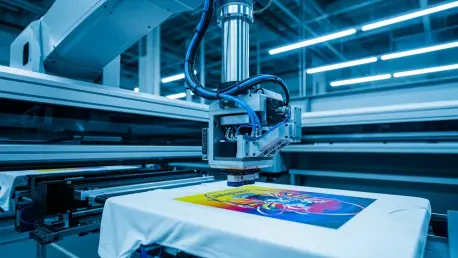
The backend logistics component is what makes this technology viable for the mass market. By linking the creative interface directly with print-on-demand facilities, the platform eliminates the need for holding stock of finished goods. This infrastructure allows for the production of a single, unique item without the high costs typically associated with custom manufacturing.
Moreover, the integration ensures that these bespoke items are treated with the same priority as standard inventory. Orders are routed to the nearest fulfillment center capable of on-demand printing, which maintains the speed of delivery that modern consumers demand. This operational efficiency is the critical link that prevents customization from becoming a bottleneck in the supply chain.
The Evolution from Search to Creative Commerce
The democratization of design tools is fundamentally altering the trajectory of the digital marketplace. Shoppers are no longer just buyers; they have become creators who influence the final look of their purchases. This shift is driven by the ease with which AI can generate professional-grade graphics from simple prompts, making custom retail an everyday reality rather than a luxury service.
This trend reflects a broader move toward creative commerce, where the value of a product is tied to its uniqueness. As generative AI becomes more sophisticated, the distinction between a professional designer and a hobbyist consumer blurs. This change forces retailers to focus on providing the best tools for creation rather than just the most diverse catalog of pre-made goods.
Real-World Applications and Consumer Use Cases
Practical deployment of this technology has already seen significant success in the apparel and home goods sectors. Users are generating personalized t-shirts, mugs, and accessories by simply describing scenes or artistic styles. The system’s ability to handle conversational edits—such as “make the colors warmer” or “add a sunset background”—allows for a level of iterative design that was previously impossible for the average shopper.
Furthermore, the role of premium logistics like Prime delivery supports these use cases by ensuring that custom products arrive almost as fast as mass-produced ones. This combination of creative freedom and logistical reliability makes the technology highly appealing for gift-giving and niche interests. It provides a solution for consumers who want something specific that simply cannot be found in a traditional search.
Addressing Implementation Challenges and Market Obstacles
Despite the impressive capabilities, technical hurdles such as image accuracy and “hallucinations” remain a challenge. AI sometimes struggles with complex spatial relationships or fine text, which can lead to designs that do not meet consumer expectations. Ongoing development is focused on improving these generative models to ensure that what the user sees on the screen perfectly matches the physical item produced.
Scalability and intellectual property concerns also present significant obstacles. Ensuring that millions of unique, user-generated designs do not infringe on existing trademarks requires sophisticated, real-time filtering systems. Additionally, as the volume of custom orders increases, the manufacturing infrastructure must continue to evolve to maintain high-quality standards across a diverse range of creative inputs.
The Future Landscape of Personalized Retail
The trajectory of this technology suggests even deeper integration into the daily lives of consumers. Future developments may include augmented reality previews, allowing users to see their custom creations in their physical environment before committing to a purchase. This would further reduce the risk associated with buying custom goods and enhance the overall confidence in the AI-driven design process.
In the long term, this technology is set to redefine global retail standards by making personalization the default expectation. As competitors attempt to catch up, the focus will shift toward who can provide the most intuitive creative tools and the most efficient production pipelines. The retail leaders of tomorrow will be those who best empower the consumer to be the architect of their own products.
Final Assessment of AI-Driven Customization
The integration of generative AI into the retail ecosystem proved to be a decisive move toward a more personalized digital economy. It successfully transformed the act of shopping from a chore into a creative endeavor, effectively setting a new standard for consumer expectations. As the technology matured, it demonstrated that the combination of intuitive design tools and high-speed logistics was the key to unlocking the true potential of on-demand manufacturing.
Ultimately, the shift toward creative commerce provided shoppers with an unprecedented level of agency over their purchases. While technical and legal challenges persisted, the overall impact on the marketplace was transformative. The move away from static inventories allowed for a more sustainable and engaging way to shop, ensuring that the products of the future were as unique as the individuals who imagined them.