
The traditional retail supply chain is undergoing a fundamental metamorphosis as digital platforms transition from simple storefronts into sophisticated, autonomous logistics hubs capable of managing millions of transactions with surgical precision. This shift marks the end of the manual era, replaced by a tech-centric model where data acts as the primary fuel for fulfillment. By moving away from labor-intensive processes, modern platforms are not just selling products but are effectively engineering the speed of commerce through a sophisticated blend of artificial intelligence and automated hardware.
Evolution of Intelligent Logistics Infrastructure
The core principle of this new infrastructure lies in its ability to synchronize disparate data points into a single, cohesive operational flow. In the past, retail models functioned in silos, with inventory management and customer engagement operating as separate entities. However, the evolution of these systems centers on a unified architecture where every physical movement in a distribution center is dictated by real-time digital insights.
This context provides the foundation for a global e-commerce environment that values agility and scalability above all else. The technology ensures that infrastructure can handle the volatile surges of modern consumerism without the lag times once common in traditional retail. As systems evolve, the focus remains on building ecosystems that learn from every delivery, constantly refining the path between the warehouse and the consumer’s doorstep.
Technical Frameworks for Automated Commerce
Advanced Robotics and Fulfillment Automation
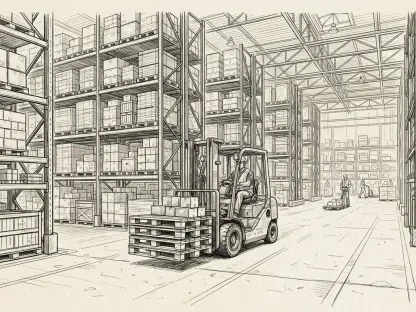
Robotic systems have progressed from simple conveyors to intelligent agents capable of high-stakes decision-making. By integrating advanced picking systems, retailers are now automating millions of item selections every month. This technology does more than just replace human hands; it eliminates the inherent variability and error rates associated with manual labor. The significance of this implementation lies in its reliability, allowing fulfillment centers to maintain a constant, high-speed output regardless of external labor market pressures.
Generative AI for Product Data Management
Beyond the physical warehouse floor, generative AI is revolutionizing the digital side of inventory management. Instead of manual data entry, algorithms now automatically correct product images and enrich metadata for thousands of items daily. This technical framework ensures that product listings are not only accurate but also visually optimized for the consumer. By automating the onboarding process, platforms have successfully reduced the time it takes for a product to go from a shipping container to a live digital storefront.
Multichannel Fulfillment and Operating Systems
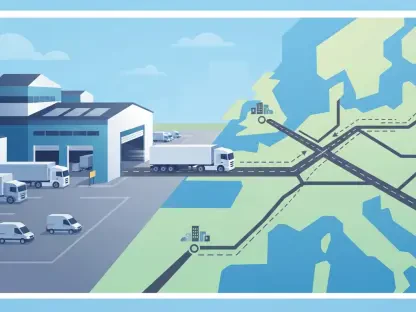
Proprietary operating systems like the Zalando Ecommerce Operating System represent a new frontier in logistics management. These platforms act as a central nervous system, managing the complexities of cross-border shipping and inventory synchronization across dozens of international markets. This specific implementation is unique because it allows third-party partners to utilize established infrastructure, effectively lowering the barrier to entry for smaller brands while maximizing the utility of the primary provider’s existing network assets.
Shifts in Industry Standards and Service Models
This technological leap has birthed the Logistics-as-a-Service model, transforming internal operational costs into external revenue streams. By monetizing their backend infrastructure, retail giants are becoming essential utilities for the broader industry. This shift reflects a changing consumer landscape where the expectation for rapid, seamless delivery has become the baseline standard. Consequently, the industry is moving toward a future where the logistics network is just as much a product as the apparel being shipped.
Real-World Applications Across Global Markets
International deployment of these systems has proven their versatility across varied regulatory and geographic landscapes. For instance, the expansion of fulfillment services into northern European territories demonstrates how AI-driven systems can adapt to local logistics nuances without sacrificing speed. Furthermore, the integration of generative AI assistants has bridged the gap between raw logistical efficiency and personalized service. These tools provide real-time advice to millions of users, creating a high-touch shopping experience that complements the high-speed backend fulfillment.
Adoption Barriers and Operational Limitations
Despite these advancements, significant hurdles remain regarding the integration of high-tech robotics into older, legacy warehouse facilities. The capital expenditure required for such a large-scale rollout is immense, often limiting these innovations to only the most financially robust players. Moreover, navigating the complex web of cross-border data transfer regulations presents a persistent challenge for platforms operating on a global scale. These technical and legal limitations suggest that while the technology is powerful, its universal adoption will be a slow and resource-heavy process.
Future Projections for Autonomous Retail Ecosystems
The trajectory of this technology points toward a state of total autonomy where predictive analytics will govern every aspect of the supply chain. Future breakthroughs in real-time optimization will likely allow for even more sustainable logistics practices, reducing waste through more precise inventory forecasting. These future ecosystems will prioritize a hierarchy where the most efficient platforms dominate the market, leaving little room for those who fail to integrate high-level automation into their core strategy.
Final Evaluation of AI Integration in Logistics
The integration of AI into retail logistics represented a definitive turning point for the industry, as it successfully merged financial growth with unprecedented operational speed. The transition from traditional models to tech-centric platforms validated the massive investments in robotics and software architecture. Ultimately, the review showed that those who embraced this autonomous shift secured a dominant position in the global marketplace. This evolution not only streamlined the movement of goods but also redefined the very essence of modern retail survival and consumer engagement.