

The traditional retail landscape is currently experiencing a metamorphosis that prioritizes communal engagement over the simple exchange of currency for goods. Retailers are increasingly adopting circular economy principles by empowering customers to resell used items directly through dedicated

While human consumers once spent hours scrolling through endless product grids to find the perfect match, software proxies now execute complex purchasing decisions in milliseconds without ever glancing at a promotional banner. This transformation signifies the rise of the autonomous shopper, a

Many shoppers find themselves standing before a closet filled with items that looked perfect under harsh fluorescent lights but failed to meet expectations once they arrived home. This cycle of disappointment often leads to a persistent state of retail regret, where the promise of a bargain is

High enrollment numbers in convenience store loyalty programs often provide a misleading sense of success if they fail to translate into consistent customer interaction. For years, the industry relied on simple accumulation metrics, yet modern retail environments in 2026 demand a much deeper
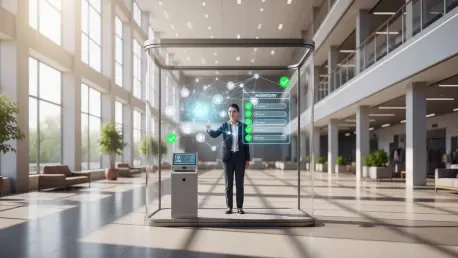
The retail industry has reached a pivotal juncture where the flashing lights of security cameras and the presence of uniformed guards are no longer sufficient to protect a company’s most valuable assets against modern threats. As the storefront increasingly merges with the digital network, the

Australian consumers are rapidly abandoning physical wallets in favor of anatomical identifiers that turn a simple smile or a palm gesture into a final transaction at the checkout counter, marking a definitive shift toward frictionless commerce. This transition reflects a broader global movement