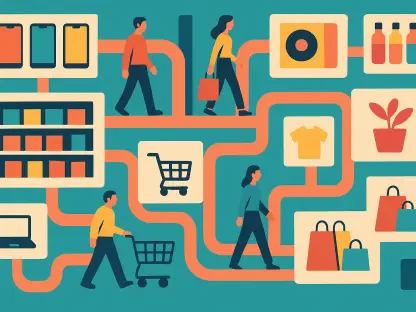
The era where a brand could survive solely on the strength of its visual identity and carefully crafted marketing slogans has effectively come to an end as we navigate the complexities of 2026. Today, the fundamental essence of a corporate identity is increasingly defined by the underlying logic of
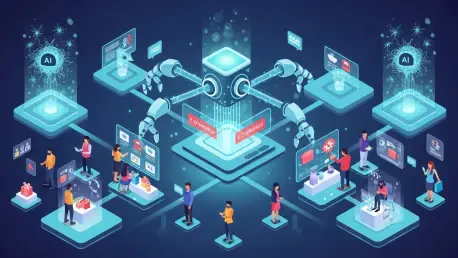
Traditional retail giants no longer compete merely with the store across the street but with the algorithmic precision of smartphones that anticipate consumer desires before they are even fully formed. For a heritage brand like John Lewis, the transition from a nineteenth-century foundation to a

The modern digital storefront remains a high-stakes battlefield where a single millisecond determines whether a transaction yields a loyal customer or a costly chargeback. As merchants attempt to balance frictionless checkout experiences with rigorous security, the traditional manual review process

The traditional image of a fuel station register as a simple cash-collecting box has been completely dismantled by the emergence of distributed, high-intelligence commerce networks. As travel centers evolve into complex hubs for logistics, dining, and energy distribution, the demand for a
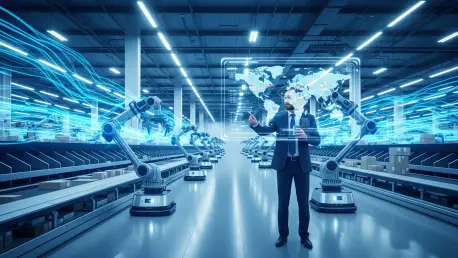
Modern global logistics networks are currently undergoing a structural metamorphosis as autonomous digital entities transition from passive assistants to independent operational decision-makers. This shift is not merely a technical upgrade but a fundamental redesign of how enterprises manage the

The current landscape of direct-to-consumer commerce is defined by a staggering ninety percent failure rate among new product launches, a statistic that underscores the immense difficulty of transitioning from a clever concept to a sustainable market leader in 2026. Founders frequently find