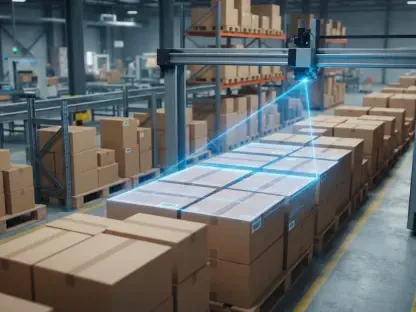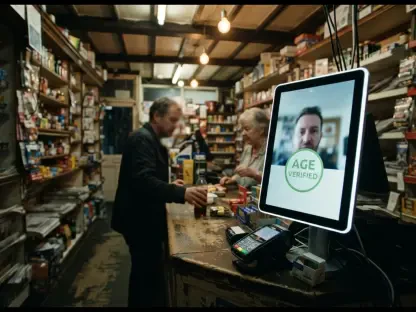
Store employees now receive instant push notifications on their mobile devices whenever AI detects a shopper concealing items under clothing or inside a bag. This rapid transition from traditional, passive surveillance to proactive, real-time intervention signifies a fundamental shift in the retail landscape. In the Chicago area alone, algorithm-based software such as Veesion is currently deployed in roughly two dozen local storefronts, forming part of a network of over 7,000 locations globally. Unlike legacy systems that rely on human operators—who are prone to fatigue, distractions, and the limitations of staffing shortages—this advanced artificial intelligence integrates directly with existing closed-circuit camera feeds to provide continuous, twenty-four-hour monitoring. The system operates by identifying specific motion patterns associated with theft, effectively turning every camera into an intelligent observer that never blinks, thereby streamlining the security process for modern merchants who require high-performance loss prevention tools.
Economic Drivers: The Logic of Automated Loss Prevention
Operational Efficiency: Revenue Protection and Deterrence
The primary motivation for adopting these sophisticated algorithms centers on the significant economic pressure of retail shrinkage. At the International Fresh Market in Naperville, the implementation of AI has led to a documented surge in successful theft detections. Previously, human-led monitoring might only identify a few suspects over the course of an entire week. Now, with automated assistance, management reports identifying an average of two suspects per day. This tenfold increase in efficiency translates directly to the bottom line by mitigating inventory loss that previously drained profit margins. Proponents of the technology argue that these systems essentially pay for themselves within a short timeframe by recapturing lost revenue. Furthermore, the presence of digital signage disclosing the use of AI serves as a powerful psychological deterrent. By making the invisibility of modern surveillance visible to potential offenders, retailers aim to discourage theft before it occurs, potentially allowing businesses to lower consumer prices.
Labor Integration: The Force Multiplier Effect
Beyond the raw financial metrics, the deployment of AI serves as a critical force multiplier for a retail labor market that frequently struggles with understaffing. Rather than replacing human security personnel, the technology redefines their operational role by automating the most tedious aspects of the job. Security guards and floor managers are no longer required to stare at a wall of monitors for hours, a task that has historically led to high rates of error and burnout. Instead, they can focus their attention on high-value activities such as customer service and direct intervention. When a notification arrives, staff members are equipped with a short video clip of the incident, allowing them to approach a shopper with verifiable evidence. This collaborative model ensures that technology handles the data processing while humans retain the final decision-making power. This synergy allows smaller retail operations to maintain a level of oversight that was previously only accessible to massive big-box chains with dedicated surveillance centers.
Ethical Considerations: Navigating Surveillance and Privacy
Privacy Concerns: The Question of Data Permanence
While the benefits to retailers are clear, the expansion of automated monitoring has triggered a profound debate regarding civil liberties and the right to privacy in public spaces. Developers of these systems often emphasize that their software focuses strictly on body movements and skeletal mapping rather than identity. They assert that the technology does not utilize facial recognition or collect biometric data, which is a critical distinction in the current regulatory environment. However, privacy advocates remain skeptical of the “slippery slope” that persistent digital surveillance creates. There are significant concerns regarding the permanence of recorded footage and how this behavioral data might be utilized or shared in the future. Even if a system does not identify an individual by name, the act of constant analysis creates a digital footprint of human behavior that many find invasive. The challenge lies in establishing a boundary where security does not evolve into social tracking that erodes the anonymity of the marketplace.
Strategic Evolution: Addressing Bias and Balancing Rights
The integration of AI into retail security proved to be a pivotal moment for an industry grappling with escalating inventory losses and labor shortages. It became evident that simply installing more cameras was insufficient; the real value lay in the intelligence applied to those feeds. Retailers who successfully navigated this transition did so by prioritizing transparent communication with their customer base, ensuring that shoppers understood how their data was being handled. They established clear protocols for how employees should respond to alerts, emphasizing de-escalation and factual accuracy over aggressive confrontation. Furthermore, they addressed the critical issue of algorithmic bias by implementing regular third-party audits to ensure that the technology remained race- and gender-neutral. Moving forward, the most effective strategy for businesses involved a hybrid approach that combined technological precision with rigorous ethical oversight. Ultimately, the successful adoption of automated surveillance required a commitment to balance.