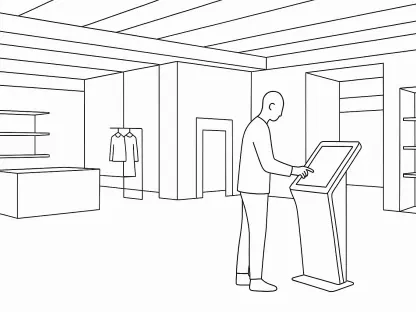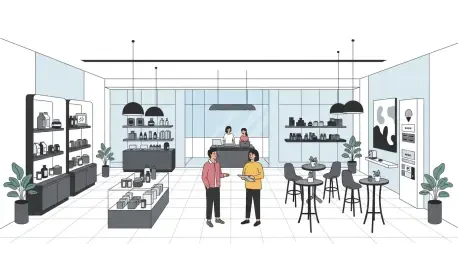

The rapid evolution of modern retail has frequently pushed digitally native brands to adopt complex omnichannel strategies that often prioritize technological integration over operational sustainability. In the early stages of market expansion, many organizations felt an immense pressure to mirror the fulfillment capabilities of massive big-box retailers, assuming that offering every possible delivery method was the only way to retain customer loyalty. However, as the industry matured into the current climate of 2026, several pioneering brands have begun to question the actual return on investment associated with these high-friction services. Cotopaxi, an outdoor gear brand known for its vibrant designs and social mission, recently became a focal point of this discussion after intentionally scaling back its omnichannel initiatives. Instead of blindly following the retail playbook, the company decided to prioritize its unique brand identity and operational efficiency. This strategic shift serves as a significant case study for other specialized retailers aiming to find a balance between growth and functional simplicity.
Transitioning from Wholesale Growth to Brand Control
Founded approximately twelve years ago, the brand initially established its presence as a direct-to-consumer entity, focusing on building a transparent and mission-driven relationship with its core audience. As the business expanded, it leaned heavily into wholesale partnerships to drive volume and increase market visibility across a wider geographic footprint. By the middle of the current decade, wholesale transactions accounted for more than half of the company’s total sales, representing a massive portion of its revenue stream. While this growth was impressive, it simultaneously created a reliance on third-party retailers that threatened the brand’s ability to control its pricing, messaging, and customer experience. The leadership eventually recognized that maintaining such a heavy wholesale mix was unsustainable for a brand that prides itself on a specific cultural identity. Consequently, a deliberate decision was made to retract from several accounts to ensure that the primary brand narrative remained firmly in the hands of the internal team.
Diversifying Revenue through Strategic Distribution
To reestablish this authority, the organization systematically reduced its wholesale presence to a more manageable and strategic level of approximately 30 percent of total operations. This transition allowed for a more diversified revenue model that includes a robust mix of direct sales, international expansion, and specialized corporate divisions. By trimming the excess, the company ensured that its physical stores were no longer just outlets for moving inventory, but rather high-value touchpoints designed to showcase the brand’s full range of values. This move toward a leaner distribution model provided the financial breathing room needed to invest in more meaningful customer interactions. It also mitigated the risks associated with the volatility of the broader wholesale market, which has seen significant shifts in recent years. Focusing on a smaller, higher-quality group of partners ensured that the products were presented in environments that aligned with the brand’s premium positioning and long-term sustainability goals.
The Logistical Friction of Modern Retail Services
The pandemic era served as a testing ground for several ambitious omnichannel features, including Buy Online Pick Up In-Store and curbside fulfillment services. Like many of its peers, the company initially viewed these offerings as essential components of a modern shopping experience designed to satisfy the consumer’s need for instant gratification. They also experimented with store-based fulfillment, a process where local retail shops functioned as micro-warehouses to pack and ship online orders directly to customers’ homes. On paper, this strategy appeared to be an effective way to optimize inventory turnover and reduce shipping times by leveraging the proximity of physical stores to urban populations. However, the operational reality of these initiatives quickly became a source of significant logistical strain for the retail teams. The small footprints of the brand’s locations, which average around 1,200 square feet, were simply not built to handle the chaotic influx of shipping materials and the storage requirements of high-volume order fulfillment.
Addressing the Technical Burden of Micro-Fulfillment
The implementation of “endless aisle” technology and other complex inventory management systems added layers of technical friction that often outweighed the perceived benefits of the program. Training store associates to manage warehouse-style tasks while simultaneously providing high-touch customer service proved to be a difficult balancing act that negatively impacted employee morale and the overall shopping environment. Management observed that the technical overhead required to keep these systems synchronized was consuming resources that could be better spent on front-of-house activities. Furthermore, the national footprint of the brand was not extensive enough to provide a meaningful logistical advantage for the vast majority of online shoppers. Because the physical stores only served a small percentage of the total customer base, the complexity of maintaining store-based fulfillment did not translate into a significant increase in the bottom line. This realization prompted the brand to move away from these resource-heavy trends in favor of a more focused retail model that emphasized simplicity and human connection.
Shifting Focus to Physical Community Activation
In a move that challenged conventional industry wisdom, the brand pivoted its retail strategy toward a concept it refers to as physical activation. This approach shifts the purpose of the physical store away from being a mere distribution node and toward being a hub for community building and brand immersion. Instead of investing in expensive back-end logistics, the company utilized its retail spaces and its mobile application to host outdoor events, local adventures, and educational workshops. These activities were designed to foster a sense of belonging among customers, turning casual purchasers into passionate brand advocates. By focusing on experiences that cannot be replicated in an online environment, the brand created a compelling reason for people to visit their stores that went beyond the simple transaction of buying gear. This strategy emphasized the importance of the brand’s mission and allowed store employees to focus on their strengths as experts and community leaders. The result was a more authentic brand experience that resonated deeply with the core demographic.
Prioritizing High-Impact Marketing and Sustainable Growth
This strategic retreat from complex omnichannel logistics also allowed the company to adopt a more disciplined and sustainable approach to its marketing efforts. Rather than spending heavily on paid customer acquisition and trendy tech integrations that offered diminishing returns, the brand focused on high-impact areas like organic search optimization and community-driven content. By building a loyal following through localized events and authentic storytelling, the organization was able to maintain high levels of engagement without the need for constant promotional discounting. This focus on long-term brand equity over short-term transaction volume helped protect profit margins during periods of economic uncertainty. The decision to prioritize high-return activities reflected a broader commitment to fiscal responsibility and operational excellence. It demonstrated that a specialized retailer could achieve healthy growth by staying true to its core competencies rather than trying to compete on the same logistical terms as massive generalist retailers. This lean operational philosophy became a cornerstone of the brand’s ongoing success.
Establishing a Resilient Model for Specialized Retail
The strategic reorientation of the brand’s retail model offered a definitive blueprint for how specialized companies could thrive by rejecting unnecessary complexity. The leadership successfully demonstrated that scaling back wholesale and omnichannel features was not a sign of weakness, but a calculated move to preserve brand integrity and long-term profitability. By evaluating the actual friction of store-based fulfillment and the limitations of small-format retail spaces, the company avoided the common trap of over-investing in low-margin technological trends. Moving forward, other brands should consider conducting a thorough audit of their own fulfillment services to identify areas where the cost of complexity exceeds the value of the customer benefit. Success in the current retail landscape requires a relentless focus on the core values of the brand and a willingness to simplify operations in favor of more meaningful consumer engagement. Prioritizing community-based physical activation and organic growth strategies will likely remain the most effective path for brands seeking to build lasting loyalty in an increasingly crowded and technically demanding global market.