
The British retail sector currently faces a complex convergence of economic pressures that are fundamentally altering how storefronts and digital marketplaces operate within a highly competitive landscape. With the persistent rise of operational overheads, small and medium enterprises as well as large department stores find themselves navigating a precarious path between maintaining profitability and retaining a cost-sensitive customer base. Consumer confidence has become increasingly fragile as household budgets are squeezed by broader inflationary trends, leading to a significant shift in spending patterns toward essential goods rather than discretionary items. This environment forces executives to make difficult decisions regarding price points, often resulting in a direct transfer of increased costs to the consumer. The delicate balance required to manage these mounting expenses while ensuring the long-term viability of the brand has never been more critical for survival in the current market. Many organizations have begun to restructure their internal financial models to account for these fluctuations, yet the pace of change remains a significant hurdle for those without substantial cash reserves.
Macroeconomic Pressures: Labor Market Shifts and Energy Demands
Recent adjustments to the national living wage have introduced a substantial financial burden for retailers who rely heavily on a large workforce to maintain daily operations and customer service standards. While these wage increases provide necessary support for workers facing higher living costs, they simultaneously reduce the profit margins of businesses that are already operating on thin cushions. Many companies have attempted to offset these personnel expenses by implementing automated self-checkout systems and advanced inventory management software to streamline workflows. However, the initial capital investment required for such technological upgrades often adds another layer of financial strain in the short term, complicating the overall fiscal outlook for the remainder of the year. Furthermore, the competition for skilled labor in logistics and warehouse management remains intense, driving up recruitment costs and forcing organizations to offer more lucrative benefit packages to attract and retain the talent needed to sustain complex supply chains and delivery networks.
Energy expenditures continue to act as a volatile variable for brick-and-mortar locations where heating, cooling, and lighting demands remain constant regardless of foot traffic levels. Although some stabilization in global energy markets has occurred, the baseline prices for electricity and gas remain significantly higher than historical averages, prompting a nationwide push toward energy-efficient infrastructure. Retailers are increasingly investing in LED lighting, smart climate control systems, and renewable energy sources like rooftop solar panels to mitigate these ongoing costs. Despite these efforts, the immediate impact of high utility bills often necessitates immediate price hikes across various product categories to prevent operational deficits. This reality is particularly visible in the grocery and textile sectors, where high-volume storage and refrigeration are essential components of the business model. The cumulative effect of these energy and labor pressures creates a challenging environment where even the most established brands must constantly re-evaluate their pricing strategies to remain solvent.
Operational Resilience: Strategic Responses to Supply Chain Disruption
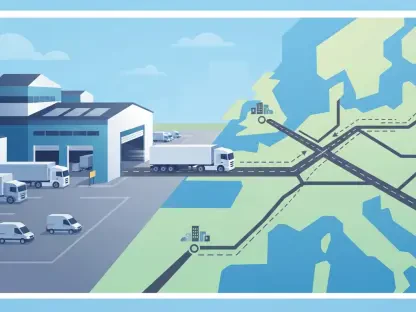
Global trade dynamics and lingering logistical bottlenecks have forced UK retailers to reconsider their sourcing strategies, moving away from just-in-time delivery models toward more resilient inventory buffers. The cost of shipping containers and international freight has experienced periodic spikes, driven by geopolitical tensions and congestion at major ports, which directly influences the final shelf price of imported goods. To counter these uncertainties, many businesses are exploring near-shoring options, seeking suppliers closer to the United Kingdom to reduce transit times and minimize exposure to global shipping fluctuations. This transition often involves higher manufacturing costs compared to traditional overseas sources, yet the increased reliability and reduced carbon footprint are seen as valuable trade-offs in the current economic climate. Managing these complex supply chain variables requires sophisticated data analytics tools that can predict demand patterns and identify potential disruptions before they impact the availability of goods or cause significant financial losses for the enterprise.
As retailers attempt to absorb a portion of these rising costs, the implementation of shrinkflation and skimpflation has become a more common, albeit controversial, tactic to maintain margins without overtly raising prices. Consumers are noticing smaller packaging sizes or subtle changes in ingredient quality as companies look for ways to trim expenses at the production level. While these methods provide temporary relief for the balance sheet, they carry the risk of damaging brand loyalty if the perceived value of the product diminishes too significantly. Forward-thinking retailers are instead focusing on loyalty programs and personalized marketing to offer value through targeted discounts rather than broad price reductions. This approach allows for a more nuanced management of price sensitivity by rewarding frequent shoppers while maintaining higher standard prices for occasional purchasers. The integration of artificial intelligence in pricing engines now enables real-time adjustments based on competitor activity and local demand, providing a technological edge in a market where every penny counts.
Future Considerations: Actionable Paths Toward Market Stability
The landscape of British retail transitioned into a phase where agility and technological integration became the primary determinants of success. Leaders who prioritized transparency with their customer base and invested in operational efficiency were able to weather the most severe fluctuations in overhead costs. It was recommended that businesses adopt a multi-pronged strategy involving the diversification of suppliers and the aggressive adoption of automation to reduce long-term labor dependencies. Those who successfully navigated this period utilized advanced predictive modeling to anticipate market shifts and adjusted their inventories accordingly. Moving forward, the focus shifted toward building sustainable value chains that could withstand future economic shocks without solely relying on price increases. The integration of circular economy principles also provided a new avenue for cost savings by reducing waste and optimizing resource usage. Ultimately, the industry learned that resilience was built through a combination of strategic foresight, technological investment, and a deep understanding of evolving consumer behavior.