
Navigating a Strategic Transition in the Global Sports Market
The decision by a global sportswear giant to deliberately throttle its own revenue growth highlights the immense pressure currently facing the international retail landscape. Puma has officially entered what management describes as a “transition year,” marked by a deliberate recalibration of its financial and operational framework. In the first quarter, the company reported sales of €1.86 billion, representing a currency-adjusted decline of 1% and a more pronounced reported drop of 6.3%. While these figures might initially signal distress, they are the result of a calculated effort to stabilize the brand’s long-term health. By prioritizing the aggressive clearance of excess stock and restructuring its executive ranks, Puma aims to move past the headwinds that have recently slowed the sportswear industry. This analysis explores how the brand is balancing immediate sales pressure with a high-stakes reorganization designed to reclaim its position as a top-tier global competitor.
Historical Context and the Road to a Reset
The current downturn is deeply rooted in the post-pandemic market volatility that left many athletic brands with bloated inventory levels. For Puma, the struggle to align supply with shifting consumer demand led to an accumulation of older products that weighed down profit margins and cluttered distribution channels. Historically, the brand relied heavily on wholesale partners, a strategy that proved vulnerable as macroeconomic pressures softened demand in key regions like Europe and North America. To address these legacy issues, the company shifted its focus toward “distribution quality”—a move that necessitates short-term pain, such as temporary sales declines, in exchange for a cleaner, more efficient market presence. Understanding this background is essential to recognizing that the current decline is not a sign of brand failure, but rather a controlled corrective measure.
Analyzing the Mechanics of Puma’s Operational Shift
The Inventory Purge and Its Impact on Wholesale Stability
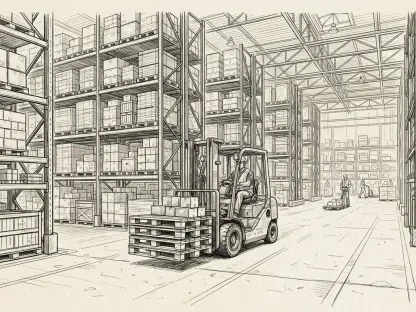
A critical component of Puma’s strategy involved a rapid inventory clean-up to normalize stock levels by the end of the year. This process primarily impacted the wholesale business, which saw a 2.8% decline as the company moved excess goods through secondary partners and outlet-led promotions. While this aggressive liquidation squeezed revenue, management reported that the process moved ahead of schedule. Clearing these hurdles was vital for the brand to make room for new, full-price innovations that can drive higher margins. However, the reliance on promotions created a challenging environment where the brand had to protect its premium image while simultaneously discounting older stock to clear warehouse space.
Direct-to-Consumer Growth and the Promotion Strategy
In contrast to the struggling wholesale segment, Puma’s Direct-to-Consumer (DTC) channel grew by 3.8%. This growth was largely propelled by a 5.7% increase in owned retail store performance. By leveraging its own storefronts, the company maintained better control over the customer experience and the promotional cycles used to move products. The product mix remains a point of intense scrutiny; while footwear sales dipped by 2.3%, high-performance categories like Running and Training showed resilience. Meanwhile, the apparel segment posted a modest 0.9% gain, buoyed by the upcoming FIFA World Cup and the sustained popularity of national team jerseys and lifestyle-focused gear.
Regional Disparities and the World Cup Tailwind
The company’s performance varied significantly across the globe, reflecting diverse economic conditions and localized strategies. In North America, sales were intentionally throttled as the company streamlined its distribution to improve brand equity. Conversely, Latin America and the Middle East continued to be bright spots, showing robust growth and high consumer engagement. These regional successes were reinforced by strategic marketing around major sporting events. With the FIFA World Cup on the horizon, Puma is positioning its football and golf categories to capture renewed interest, using these high-visibility platforms to offset the sluggishness seen in more mature markets.
Strategic Leadership and the Future Brand Trajectory
To accelerate its transformation, Puma underwent a massive leadership overhaul, poaching top-tier talent from its primary rivals, including Adidas, Nike, and ASICS. The appointment of industry veterans like Laurent Fricker and James Carnes signaled a serious commitment to revitalizing the Sportstyle division and creative direction. This influx of outside expertise was intended to sharpen Puma’s competitive edge and bring fresh perspectives to product design and marketing. As these new leaders took the helm, the industry expected a shift toward more disruptive innovations and a tighter focus on operational efficiency. The goal remained clear: to move from a transition phase into a period of sustained growth that places the brand firmly among the top global sports entities.
Actionable Insights for Navigating Retail Volatility
For businesses and retail professionals, Puma’s current trajectory offers several valuable lessons in crisis management and brand repositioning. First, the importance of inventory health cannot be overstated; holding onto stale stock is often more damaging than taking a short-term loss to clear it. Second, diversifying sales channels—specifically strengthening DTC capabilities—provides a necessary safety net when wholesale demand fluctuates. Companies should also prioritize talent infusions during periods of stagnation to break old habits and spark innovation. By maintaining a transparent outlook and sticking to long-term guidance despite quarterly dips, brands can maintain investor confidence even during difficult transitions.
Conclusion: Strengthening the Foundation for Long-Term Growth
Puma’s decision to prioritize inventory health and leadership restructuring over immediate sales growth was a bold acknowledgment of the modern retail climate. While the 6.3% decline in reported sales reflected the difficulty of this path, the underlying growth in DTC and high-performance categories suggested that the brand’s core remained strong. By clearing the path for new leadership and fresher inventory, the organization laid the groundwork for a more profitable and prestigious future. The success of this transition ultimately depended on how effectively the new executive team translated these operational shifts into consumer excitement as the company approached the World Cup and beyond.