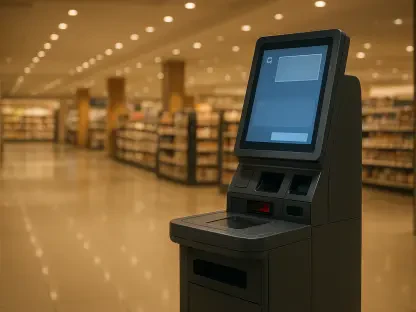

The traditional model of operating multiple independent payment terminals across a single retail storefront is rapidly collapsing under the weight of excessive maintenance costs and frequent technical failures. This shift is clearly visible in the recent strategic overhaul by the Southern California institution The Hat. Known primarily for its heritage pastrami offerings, this restaurant group recently consolidated its entire operation across eleven California locations and a new Las Vegas expansion by adopting a unified technological stack. By transitioning from disparate systems to a centralized suite including dedicated restaurant software and integrated register hardware, the company eliminated the friction inherent in managing separate marketing and loyalty streams. This move signals a broader trend where established high-volume businesses are prioritizing seamless enterprise solutions over the piecemeal digital infrastructure that defined the previous decade. As these organizations scale, the need for centralized menu management and integrated drive-thru capabilities becomes a matter of operational survival rather than a mere convenience for the IT department.
The High Cost of Maintaining Disparate Digital Architectures
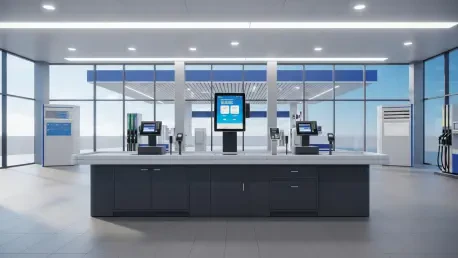
Data from recent industry research indicates that the logistical burden of fragmented payment architectures has reached a critical breaking point for many convenience store and fuel retail operators. Currently, roughly seventy-five percent of these businesses struggle with disjointed systems that fail to communicate effectively with one another. This fragmentation often results in a single storefront managing four or more separate indoor terminals, each requiring its own vendor certification and maintenance schedule. Such complexity creates a massive bottleneck for innovation, as deploying a single new software feature or security update requires navigating a labyrinth of third-party approvals and hardware compatibility tests. For the sixty-eight percent of retailers who currently juggle multiple payment systems across various devices, the administrative overhead alone can consume a significant portion of their annual operating budget. This systemic inefficiency is forcing a reevaluation of legacy hardware as businesses look toward unified platforms that can consolidate these numerous contact points into a single, manageable stream.
Beyond the daily inconvenience of managing multiple vendors, the financial risk associated with outdated payment infrastructure has become impossible to ignore for modern business owners. In the past year, eighty-eight percent of surveyed retailers suffered at least one significant payment outage, highlighting the inherent instability of relying on aging, non-integrated systems. These service disruptions directly translate into lost revenue and diminished customer trust, particularly when Level 3 EMV certifications add another layer of financial strain. With median compliance costs ranging from one hundred thousand to two hundred fifty thousand dollars—and reaching one million dollars for the largest operators—the economic argument for consolidation became undeniable. Forward-thinking executives moved toward platform-based ecosystems to mitigate these recurring expenses and ensure continuous uptime. Prioritizing a single-vendor architecture allowed these organizations to streamline their certification cycles and drastically reduce the probability of hardware-related failures. This strategic pivot established a more resilient foundation, enabling businesses to focus on growth and customer experience rather than constant technical troubleshooting.