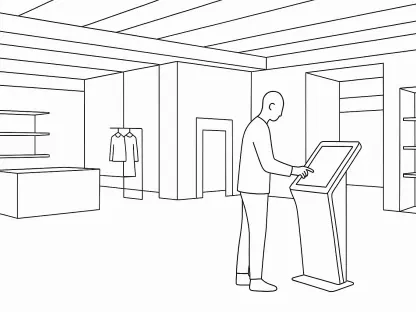

When the physical barriers between a curious shopper and a completed purchase finally vanish, the traditional retail floor undergoes a metamorphosis into a dynamic ecosystem of instant gratification and high-touch service. The advent of mobile Point of Sale (mPOS) systems has fundamentally rewritten the rules of consumer engagement by decentralizing the checkout process. This review examines how portable handheld devices are dismantling the long-standing “fixed-lane” barrier, allowing the point of sale to exist wherever the customer happens to be. By untethering the transaction from a specific desk, retailers are not just changing how they collect money; they are reimagining the entire architecture of the shopping journey.
Defining Mobile POS Technology and Its Evolution
The transition from stationary registers to mPOS represents a pivotal shift toward operational flexibility. At its core, this technology utilizes tablet-based interfaces and compact mobile devices to perform functions that once required massive, corded hardware. These systems rely heavily on cloud-based processing, which allows for a lightweight front-end while maintaining a powerful back-end capable of handling complex data. Wireless peripherals, such as Bluetooth receipt printers and encrypted card readers, complete the ecosystem, ensuring that the portability of the device does not come at the cost of functional depth.
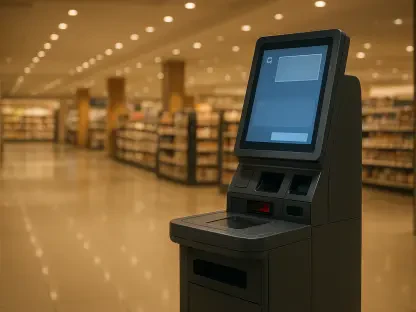
Historically, the retail environment was structured around the “fixed-lane” model, where customers were funnelled toward a specific exit point to finalize their journey. This created a psychological and physical bottleneck that often discouraged impulse buys and soured the final impression of a brand. The evolution toward mobility emerged as a direct response to this friction. By moving the processing power into the hands of the associate, the retail space becomes a fluid environment where the boundary between browsing and buying is almost entirely erased.
Technical Capabilities and Functional Components
Transaction Execution and Payment Versatility
Modern mPOS systems are engineered to facilitate the “moment of decision,” ensuring that the impulse to buy is met with an immediate path to ownership. These platforms process a wide variety of payment methods, from traditional chip cards to digital wallets and contactless NFC payments. Speed is the primary performance metric here; any lag in the interface can lead to frustration and potential cart abandonment. By streamlining the encryption and authorization process through optimized cloud gateways, mobile systems maintain a rapid pace that prevents the buildup of invisible queues on the sales floor.
Beyond simple speed, the versatility of these systems allows retailers to accommodate the specific payment preferences of a diverse customer base. This adaptability is crucial in a market where consumers expect a frictionless experience regardless of the hardware used. Moreover, the ability to email receipts or offer digital-only proof of purchase aligns with modern sustainability goals and data collection strategies, further enhancing the utility of the device beyond the simple transfer of funds.
Integrated Inventory and Information Management
A sophisticated mPOS unit acts as a comprehensive portal to the entire retail enterprise, providing associates with real-time inventory synchronization. This technical capability solves the perennial problem of the “backroom mystery” by allowing staff to confirm stock levels, sizes, and color variations without leaving the customer’s side. The integration of product data allows for the display of detailed specifications and high-resolution images, transforming the mobile device into a powerful sales tool that bridges the gap between physical and digital storefronts.
This instant access to data empowers associates to act as consultants rather than mere order-takers. When a customer asks a complex technical question or requests information on stock availability at a neighboring branch, the mPOS provides an immediate, accurate response. This level of transparency builds significant trust and ensures that the sales associate remains the primary source of information, preventing the customer from turning to their own smartphone to research competitors while standing in the store.
Current Trends and Industry Adoption Metrics
The latest industry shifts indicate that mobility is moving from a secondary luxury to a core operational requirement. Currently, specialty retailers are diversifying their checkout strategies, offering an average of three or more distinct checkout options per store to cater to varying consumer behaviors. Data suggests that approximately 67% of specialty retailers have already integrated mobile solutions into their daily operations. This trend is driven by a broader societal shift toward “immediacy,” where the tolerance for traditional waiting periods has reached an all-time low.
As adoption grows, the role of the mobile device is expanding from a simple line-busting tool to the primary driver of store productivity. Retailers are increasingly viewing these devices as the central hub for all store activities, including order fulfillment for online pickups and inter-store transfers. The metric of success is no longer just how many transactions are processed, but how effectively the mobile platform reduces the “dead time” previously spent by associates walking back and forth between the sales floor and stationary terminals.
Real-World Applications in Specialty Retail
In boutique and specialty environments, mPOS technology is the primary engine behind “clienteling,” a high-touch service model that prioritizes the long-term relationship over the individual sale. Associates leverage customer data and purchase histories directly on their handheld devices to offer personalized recommendations. This approach creates a curated shopping experience that mirrors the precision of online algorithms but retains the warmth of human interaction. By having a customer’s preferences at their fingertips, associates can drive higher average order values through intelligent upselling and cross-selling.
Furthermore, “line busting” remains a critical application during peak traffic periods or holiday rushes. When traditional registers become overwhelmed, associates equipped with mobile units can intercept customers in the queue, processing transactions on the spot. This maintains the flow of the store and prevents the visual deterrent of a long line from turning away prospective shoppers. In these high-pressure scenarios, the ability to deploy extra “registers” simply by handing out more mobile devices provides a level of scalability that fixed infrastructure can never match.
Operational Friction and Implementation Challenges
Despite its advantages, the integration of mobile hardware with legacy backend systems presents significant technical hurdles. Many older retailers operate on proprietary databases that were never designed for real-time cloud communication, leading to synchronization errors or data silos. Additionally, the challenge of maintaining a consistent user experience across different hardware versions can strain IT resources. While the front-end appears simple to the user, the underlying architecture requires robust security protocols to ensure PCI compliance and protect sensitive consumer financial data in a wireless environment.
Wait times remain a persistent ghost in the retail machine, with nearly 38% of retailers reporting significant friction at traditional registers during busy hours. While mPOS addresses this, the transition often requires a complete overhaul of staff training and store layout. There is also the matter of device management, including battery life and physical durability, which can impact the reliability of the system if not managed correctly. Security concerns regarding mobile payment processing also remain a top priority, as the portable nature of the devices necessitates advanced geofencing and remote-wipe capabilities to prevent data breaches.
Future Outlook and Technological Trajectory
The trajectory of mPOS technology points toward a state of total “fluidity,” where the concept of a dedicated checkout area might disappear entirely. Future breakthroughs are expected in AI-driven personalization, where the mobile device will suggest real-time promotions based on the customer’s movement patterns or dwell time in specific sections. This transition will see the retail associate evolve into a data-informed concierge, using mobile-first strategies to blend the convenience of digital commerce with the tactile benefits of physical browsing.
Long-term strategies will likely focus on the synthesis of speed and human connection, utilizing the mobile platform to handle the mechanics of the sale so the human can focus on the experience. As machine learning becomes more integrated into these handheld systems, they will provide predictive analytics that can suggest the best time to approach a customer or identify when a shopper is likely to need assistance. This proactive service model will define the next generation of competitive retail environments, making the mobile device the indispensable heart of the physical store.
Conclusion and Final Assessment
The integration of mobile POS technology effectively liberated the retail associate from the confines of the traditional cash wrap, fundamentally altering the power dynamics of the sales floor. This technological shift successfully reduced consumer friction by meeting the shopper at the moment of decision, thereby reclaiming sales that would have otherwise been lost to long wait times or information gaps. Retailers who adopted these systems found themselves better equipped to handle the demands of a high-speed, data-driven market.
The transition toward a mobile-first retail environment served as a strategic necessity for maintaining modern competitiveness. While technical challenges regarding legacy integration and security protocols persisted, the operational benefits of real-time inventory access and personalized clienteling far outweighed the initial implementation hurdles. Ultimately, the adoption of mPOS signaled a move toward a more intentional and rewarding shopping experience. The technology proved to be a transformative force in the specialty retail sector, setting a new standard for how service and commerce should coexist.