
The rapid expansion of global digital marketplaces has forced the logistics sector to rethink every single link in the supply chain to meet the extreme demands of modern consumers. E-commerce currently accounts for nearly a third of all international air cargo, representing a shift that has overwhelmed traditional infrastructure and pushed firms toward more integrated, high-speed solutions. This growth means that standard shipping protocols, once designed for bulk industrial freight, are no longer sufficient for managing millions of individual small packages that require immediate processing. The Menzies Integrated Logistics for E-commerce (MILE) framework addresses these challenges by consolidating disparate stages of the transit process into a single, cohesive workflow. By streamlining everything from aircraft unloading to final distribution, the system aims to eliminate the friction that typically slows down cross-border trade. This evolution is a necessary overhaul for a market that requires total precision and real-time visibility.
Closing the Gap: Synergy Between Ramp and Forwarding
Historically, the logistics chain suffered from a significant disconnect between airport ramp operations and the downstream freight forwarding industry. Ground handlers were responsible for moving cargo from the aircraft to the warehouse, while forwarders handled the documentation and distribution to the final destination. This separation often created a communication void where information was lost and transit times were extended by redundant administrative steps. Because these entities operated as separate silos, the lack of coordination frequently led to cargo sitting idle on airport tarmacs or in crowded facilities while waiting for paperwork clearance. The inefficiency was particularly noticeable in the e-commerce sector, where every hour of delay could result in missed delivery windows. Traditional models were simply not agile enough to handle the sheer velocity of modern digital trade. This fragmentation highlighted an urgent need for a more unified approach that could bridge the gap between airside activities and landside distribution.
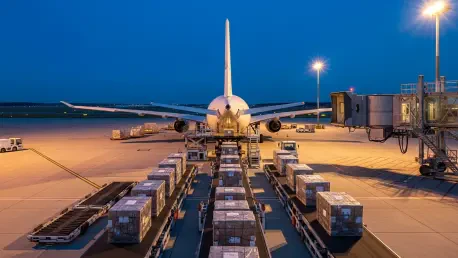
By integrating the ramp handling capabilities of Menzies Aviation with the established forwarding network of Air Menzies International, the MILE initiative has created a single point of contact for the entire process. This unified service model allows for the direct movement of goods from the aircraft belly to the next stage of delivery, effectively bypassing the need for secondary off-airport warehouses. Such a streamlined approach reduces the physical handling of packages, which in turn minimizes the risk of damage or loss during transit. Furthermore, having a single entity manage the end-to-end journey provides shippers with a simplified billing and tracking experience. This integration ensures that the momentum of a package is maintained from the moment it touches down until it leaves the airport perimeter. By removing the traditional middle steps that once acted as bottlenecks, the system provides a competitive edge to retailers who rely on rapid turnaround times. The result is a more resilient supply chain that can handle fluctuations in cargo volume without sacrifice.
Adapting to the Micro-Parcel Environment: Efficiency at Scale
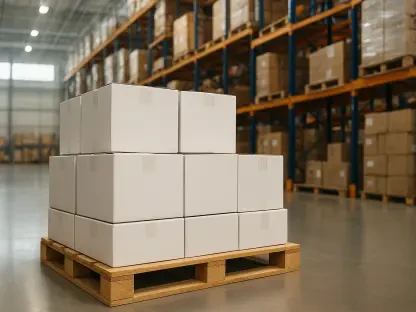
The fundamental nature of air cargo has transitioned from heavy industrial pallets to high-density shipments of individual consumer goods. Modern logistics providers must now manage an environment where thousands of small parcels are processed simultaneously, requiring a level of organization that traditional methods cannot provide. This shift is driven by a consumer base that values a massive variety of products and expects near-instantaneous shipping across international borders. To accommodate this, cargo facilities have been redesigned to prioritize high-speed sorting and rapid throughput rather than long-term storage. Handling such high volumes of small packages requires sophisticated automation and a workforce trained to manage complex sorting tasks under tight deadlines. Without these adjustments, the sheer quantity of individual items would overwhelm existing airport infrastructure, leading to massive backlogs. Adapting to these habits is not just about moving faster but about scaling operations to maintain accuracy while processing millions of unique tracking numbers.
Global trade patterns are also undergoing significant changes as new tax regulations and geopolitical shifts redefine the traditional paths of commerce. While certain regulatory updates have introduced complexities for shipping into North American markets, the volume of exports from Asian manufacturing hubs remains on a steady upward trajectory. This has led to the emergence of new logistical corridors, with increasing amounts of cargo being diverted through major hubs in Europe and the Middle East. Logistics providers have responded by establishing standardized operational protocols that can be replicated across different regions, ensuring a consistent level of service regardless of the origin or destination. This flexibility is crucial for navigating a volatile global market where trade barriers can appear or shift with very little notice. By maintaining a uniform approach to handling and documentation, companies can quickly pivot their operations to take advantage of more favorable trade routes. This strategic adaptability allows the supply chain to remain fluid and efficient.
Strategic Deployment: From Australian Pilots to Global Corridors
The initial implementation of the MILE model began with carefully controlled pilot programs in Australia, focused on the high-volume gateways of Sydney and Melbourne. These cities provided a perfect testing ground due to their sophisticated infrastructure and the high demand for international e-commerce goods among the local population. During this phase, logistics teams were able to observe how the integrated system performed under the pressure of real-world cargo volumes and varying operational conditions. The feedback gathered from customers and airline partners allowed for the continuous refinement of workflows, ensuring that any potential friction points were addressed early. By proving that the combined ramp and forwarding approach could significantly reduce transit times, the pilot programs established a successful blueprint for future growth. This methodical testing phase was essential for demonstrating the viability of the model before committing to a larger global rollout. The success in the Australian market served as a powerful proof of concept for unified logistics.
Following the successful validation in Australia, the expansion of the integrated model has moved into vital trade corridors across Europe and Asia. In the European market, specific focus has been placed on developing hubs in regions like Romania, Prague, and Budapest, which serve as strategic entry points for goods distributed across the continent. Meanwhile, in Asia, Macau has emerged as a critical exit point for the vast quantities of products originating from the manufacturing centers of Southern China. By establishing a presence in these key geographic locations, the service can capture cargo at the source and manage its journey through the most efficient transit points available. This geographic expansion is designed to create a network of high-speed gateways that connect major production zones with the world’s largest consumer markets. As these hubs become more integrated into the global system, they force the entire industry to adopt higher standards of speed and transparency to remain competitive. The objective is to provide a seamless, global logistics solution.
Digital Integration: Ensuring Transparency and Strategic Flow
At the core of this operational transformation is a sophisticated digital platform that now functions across more than 25 different countries. This technological backbone utilizes advanced barcode scanning and fully digital paperwork to eliminate the manual data entry errors that historically plagued international shipping. By digitizing every aspect of the shipment journey, the system provides all stakeholders—including airlines, customs authorities, and end customers—with real-time updates on package status. This level of transparency is vital for building trust and ensuring that high-value or time-sensitive e-commerce goods are moving as scheduled. Additionally, the digital infrastructure is designed to automatically ensure that every shipment remains in full compliance with local security and trade regulations. This automated oversight reduces the likelihood of customs delays and ensures that goods can clear borders with minimal human intervention. The integration of data across the entire supply chain not only speeds up the physical movement of cargo but provides deep analytical insights.
Past logistics strategies often failed because they focused on individual segments rather than the entire journey. Industry leaders recognized that long-term success required a complete departure from fragmented handling methods. To move forward, companies prioritized the adoption of end-to-end digital architectures that allowed for total cargo visibility. They also invested heavily in cross-training staff to bridge the operational gap between ground handling and customs clearance. These actions demonstrated that the most effective way to manage the e-commerce surge was to treat the airport as a transit hub rather than a storage facility. Moving forward, the industry learned that maintaining a competitive edge depended on the ability to rapidly scale technology across diverse geographic regions. Stakeholders also discovered that simplified billing and unified points of contact significantly increased customer loyalty in a crowded marketplace. By focusing on these integrated solutions, the logistics sector successfully navigated a period of change and established a new baseline for efficiency.