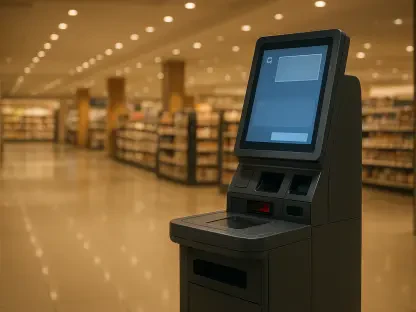

The traditional cash register has long since vanished, replaced by a sophisticated digital nervous system that defines whether a retail brand survives or thrives in this hyper-competitive economy. In 2026, the physical store has undergone a radical metamorphosis, moving away from being a static point of sale toward becoming a dynamic hub for consumer engagement and logistics. This shift requires a unified approach where inventory, payments, and consumer data are no longer siloed but integrated into a single, responsive ecosystem.
The current global POS market reflects this urgency for modernization, with a clear trend toward cloud-native software over traditional on-premises models. Leading retailers are currently prioritizing platforms that can scale instantly and adapt to the rapid introduction of new payment methods and digital-first regulations. As data privacy standards become more rigorous, the underlying retail architecture must provide both the flexibility to innovate and the security to protect sensitive consumer information across every touchpoint.
The Transformation of Retail Architecture and the Modern Store Ecosystem
Modern stores now function as multifaceted hubs where the boundaries between physical and digital commerce have blurred. A store is no longer just a place to buy a product; it is a center for brand discovery, product testing, and community interaction. Modernized POS systems facilitate this by ensuring that inventory levels are visible in real time, allowing store associates to provide accurate information to customers who have often researched products online before visiting.
The transition to cloud-native software allows retailers to bypass the limitations of localized server environments. These systems enable seamless updates and provide the infrastructure necessary for stores to act as micro-fulfillment centers. By centralizing consumer data, brands can ensure that a shopper’s preferences and purchase history are available to associates, creating a personalized experience that justifies the continued relevance of physical retail locations.
Assessing the Evolution of Transactional Technology and Market Momentum
Emerging Trends in Omnichannel Fulfillment and Clienteling
The rise of omnichannel fulfillment has made services like buying online and picking up in-store a standard expectation for the modern shopper. This evolution requires POS technology that can handle complex cross-channel returns and inventory adjustments without manual intervention. Moreover, data-driven clienteling has empowered store associates to transform from clerks into brand consultants. By accessing customer profiles directly on mobile devices, staff can offer tailored recommendations that significantly improve the shopping experience.
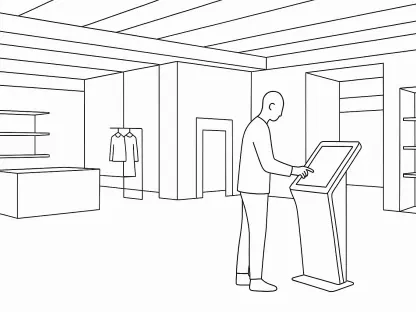
The shift from rigid, on-premises legacy hardware to mobile-enabled POS platforms has granted store employees the freedom to engage with customers anywhere on the floor. This mobility reduces checkout lines and allows for a more fluid interaction that mimics the convenience of online shopping. As retailers phase out bulky terminals, the focus remains on lightweight, high-performance devices that support a variety of payment processors and third-party applications.
Projecting Market Expansion and Financial Performance Indicators
Financial forecasts indicate that the global POS market will reach a value of 59.3 billion dollars by 2030. This expansion is fueled by an accelerating replacement cycle, as retailers from 2026 to 2030 seek to discard outdated technology in favor of agile solutions. The compound annual growth rate reflects a deep industry commitment to digital transformation. Beyond market size, the financial impact is visible in specific performance metrics that show clear gains for early adopters.
Key performance indicators show that modernization leads to a 4.3 percent increase in Average Transaction Value. This lift is often accompanied by improved in-store conversion rates, as mobile checkout options and better inventory visibility prevent lost sales. By investing in modern transactional technology, retailers are seeing a direct correlation between system efficiency and bottom-line profitability, making the modernization process a financial necessity rather than a luxury.
Overcoming the Structural and Technical Barriers to Implementation
Integrating new cloud platforms with entrenched legacy back-end systems remains a primary challenge for many organizations. The complexity of syncing diverse payment processors and ensuring hardware compatibility across a global footprint can lead to significant delays. However, strategies focusing on modular integration allow retailers to update their infrastructure in phases, minimizing the risk of total system failure during the transition period.
Operational continuity is another critical factor, particularly the requirement for offline functionality. Even in 2026, network outages can occur, and a POS system must be able to process transactions and store data locally until connectivity is restored. Solving the adoption gap for the twenty-two percent of retailers still reliant on localized servers requires a focus on hybrid-ready cloud solutions that bridge the gap between old and new technological paradigms.
Navigating the Compliance and Security Landscape of Modern Commerce
Adhering to PCI DSS standards is a non-negotiable aspect of modern retail, yet it becomes more complex as payment methods diversify. Secure payment processing must be built into the core of any new POS strategy to protect against sophisticated cyber threats. In a unified commerce environment, managing consumer data privacy is not just a regulatory requirement but a cornerstone of brand trust.
Cloud security plays a vital role in protecting decentralized retail footprints from emerging threats. By utilizing encrypted transaction protocols and transparent data handling practices, retailers can defend their operations against breaches. Strengthening brand trust through these security measures ensures that customers feel safe sharing their data in exchange for the personalized services that modern POS systems provide.
The Future of Unified Commerce and Disruptive Retail Innovations
The retail industry is moving toward modular, cloud-native architectures that support continuous software deployment. This allows for the integration of Artificial Intelligence and real-time analytics, which can predict consumer trends and optimize inventory levels before a shortage occurs. Future iterations of POS technology will likely see even more integration of AI to assist associates in real-time decision-making on the sales floor.
As consumer preferences for frictionless, mobile-first checkout experiences continue to evolve, tech investments will focus on eliminating the traditional checkout counter entirely. Global economic conditions will dictate the speed of this digital transformation, but the trajectory is clear. Retailers who prioritize a modular approach will be best positioned to pivot as new innovations, such as biometric payments or augmented reality shopping aids, become mainstream.
Maximizing Investment Value and Long-Term Strategic Growth
The transition to modernized POS systems proved to be a highly successful venture for the vast majority of participants. Quantifiable data showed that eighty-five percent of retailers reported meeting or exceeding their financial expectations following the implementation of new technology. The industry prioritized the move from cloud-hosted to cloud-native systems, which provided the modularity needed to respond to changing market conditions with unprecedented speed.
Strategic growth was fundamentally linked to the ability of organizations to bridge the gap between their digital and physical operations. Retailers that invested in mobile-enabled platforms achieved higher associate productivity and greater customer satisfaction. The analysis confirmed that moving away from localized server environments was the most critical step in securing operational efficiency. These organizations successfully leveraged their new infrastructure to create a more resilient and profitable business model.
Final assessments highlighted that POS technology functioned as the foundational element for the next generation of retail excellence. By focusing on integration and security, brands established a reliable platform for future innovations. The shift toward unified commerce was not merely a technical upgrade but a comprehensive realignment of business goals with modern consumer behaviors. Ultimately, the modernization of transaction systems served as the catalyst for sustained profitability and a superior competitive position in the global marketplace.