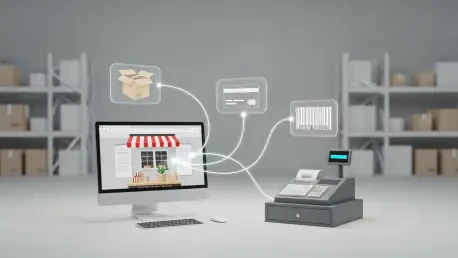

The rapid evolution of consumer shopping habits has forced a massive shift in how retailers manage their digital and physical footprints to maintain operational efficiency. In the current retail environment of 2026, the traditional divide between a physical storefront and an online store has become a significant obstacle to growth rather than a simple logistical distinction. When these two channels operate on separate systems, the resulting data silos create a cascade of problems that directly impact the customer experience and internal productivity. For instance, a shopper might see an item listed as available online, drive to a local store to purchase it, and discover that the inventory count was inaccurate because the physical sales were not updated in real-time on the digital platform. This lack of synchronization often leads to missed sales opportunities, employee frustration, and a diminished brand reputation. By adopting a unified point-of-sale (POS) and ecommerce integration, businesses can effectively dissolve these barriers, ensuring that every transaction, inventory movement, and customer interaction is recorded in a single, centralized hub. This technological convergence allows for a seamless flow of information, enabling the staff to provide higher levels of service while reducing the administrative burden of manual data entry and reconciliation. As retail competition intensifies, the ability to operate as a single, cohesive unit across all touchpoints is no longer optional but is instead the foundational requirement for modern commercial success and long-term sustainability in a crowded market.
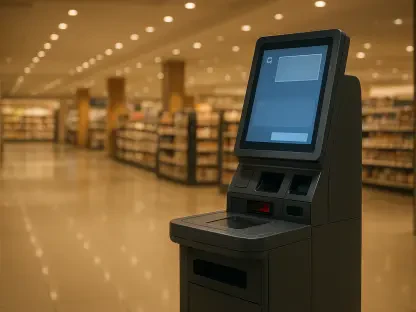
The integration process begins with the establishment of a robust bridge between the online storefront and the physical registers, where several categories of data must be perfectly aligned to ensure accuracy. The first critical category involves item details, which include comprehensive descriptions, high-resolution images, unique barcodes, and standardized pricing models. When this information is synchronized, any change made to a product description or a price adjustment in the central system is immediately reflected across both the website and the in-store kiosks, preventing discrepancies that could confuse customers. Alongside product details, stock levels represent the most volatile data point that requires constant updates. A unified system tracks current quantities across all storage locations, including warehouses, backrooms, and store shelves. This real-time visibility allows the system to manage transfers between locations automatically, ensuring that stock is positioned exactly where it is needed most. Without this level of detail, retailers often find themselves overstocked in one location while facing stockouts in another, leading to inefficient capital allocation and lost revenue.
Beyond physical inventory, the synchronization must extend to the behavioral and transactional data that defines the relationship between the business and its clientele. Purchase records, encompassing both web-based orders and in-person transactions, must be funneled into a single database to provide a holistic view of sales performance and buying patterns. This leads directly into the management of client information, where contact details, buying habits, and loyalty points are stored in a unified profile accessible to both marketing teams and floor associates. When a customer walks into a store, an associate can view their online wishlist or past digital purchases to provide tailored recommendations, creating a personalized shopping experience that mimics the precision of online algorithms. Furthermore, the integration must handle price reductions and promotional logic consistently; automated deals or manual coupon codes should function identically regardless of the channel. Finally, the consolidation of analytics and data provides leadership with a clear view of sales trends, staff output, and the efficacy of various payment methods, allowing for data-driven decisions that were previously obscured by the fragmented nature of disconnected reporting tools.
1. Essential Data Categories for Seamless Synchronization
Achieving a truly unified retail workflow requires a meticulous focus on how data moves through the organization, particularly regarding the lifecycle of a product from the warehouse to the customer’s hands. The integration of item details ensures that every piece of metadata associated with a product remains consistent, which is vital for maintaining brand integrity and operational clarity. In a manual system, a retailer might update a product’s price on their website but forget to print new labels for the physical shelves, leading to awkward confrontations at the checkout counter. Integrated systems eliminate this risk by acting as the authoritative source for all pricing and descriptive data. Furthermore, the management of stock levels becomes a dynamic process where inventory is no longer “assigned” to a specific channel but is instead part of a shared pool. This allows for advanced logistics strategies, such as using a physical store as a micro-fulfillment center for local online orders, thereby reducing shipping times and costs. The ability to monitor stock transfers in real-time ensures that the movement of goods is documented at every stage, providing a clear audit trail that is essential for loss prevention and financial accuracy.
The secondary layer of data synchronization focuses on the human element of the business, specifically how customers interact with the brand across different touchpoints. By merging purchase records from the web and the physical register, retailers can identify their most valuable customers regardless of where they choose to shop. This unified view of client information allows for the implementation of sophisticated loyalty programs where points earned online can be redeemed instantly in-store without manual intervention. It also prevents the common frustration of a customer receiving a marketing email for a product they already purchased in a physical shop earlier that day. Moreover, the integration of price reductions and manual coupons ensures that promotional campaigns are executed with surgical precision. If a “flash sale” is triggered, the system can update prices globally in seconds. This level of synchronization is supported by consolidated analytics, which aggregate data from all channels into a single dashboard. Managers can then compare the performance of different locations, evaluate the success of specific product launches, and track the efficiency of payment processing without the need to manually combine various spreadsheets, saving hundreds of hours of administrative labor.
2. Critical Features for Comprehensive System Integration
A high-performing integration is defined by specific features that bridge the gap between digital convenience and physical presence, starting with a seamless system link that utilizes a shared core database. This architectural foundation ensures that there is no “lag” between systems; an item sold on the website is immediately deducted from the store’s inventory count. This feature is particularly crucial for retailers who manage multi-location stock tracking, as it provides a bird’s-eye view of inventory across various warehouses, storefronts, and even temporary pop-up events. With this visibility, businesses can implement an all-in-one order handling process, where staff can manage returns, refunds, and exchanges from any channel directly at the register. For example, a customer who purchased an item online should be able to return it in person and receive an immediate refund or store credit, a process that is often cumbersome or impossible in fragmented systems. This level of flexibility not only improves customer satisfaction but also streamlines the reverse logistics process, allowing returned items to be placed back into the store’s sellable inventory immediately.
Building on the foundation of shared data, the system must provide robust tools for personalizing the shopping journey, such as comprehensive buyer records that are instantly accessible to staff. When an associate can see a customer’s entire history, they can offer informed advice, which often leads to higher average order values and stronger brand loyalty. This connectivity also enables flexible delivery options that have become standard in the industry, such as “buy online, pick up in-store” or “buy in-store, ship to home.” These services require the POS and ecommerce platform to communicate flawlessly regarding order status and inventory availability. Similarly, the system must ensure that sales and deals are applied correctly across the board, maintaining price parity and preventing the erosion of margins through unauthorized or duplicated discounts. To manage this complexity, the integration should offer consolidated performance reports that provide a clear picture of business health, highlighting which products are moving and which locations are meeting their targets. This allows the management team to focus on strategy rather than data entry, confident that the information they are seeing is accurate and up-to-date.
The technical resilience and extensibility of the system are the final pieces of the integration puzzle, ensuring that the technology supports rather than hinders daily operations. The software must offer comprehensive equipment support, verifying that it is compatible with existing scanners, card readers, and receipt printers to avoid costly hardware replacements. Perhaps more importantly, a reliable integration must include a robust backup for internet outages, allowing the store to continue taking payments and recording transactions even if the Wi-Fi goes down. These offline transactions should then automatically sync with the central database as soon as connectivity is restored, preventing any data loss. Additionally, third-party software compatibility is essential for a modern retail tech stack, as the POS and ecommerce system must often link with specialized accounting, shipping, or marketing automation apps. A system that can easily exchange data with an accounting platform like QuickBooks or a shipping aggregator ensures that the entire business workflow, from the initial sale to the final tax filing, is as automated and error-free as possible.
3. Step-by-Step Implementation of Unified Workflows
The journey toward a unified retail environment begins with a thorough evaluation of the current tech stack, which involves documenting every piece of software and hardware currently in use. Management must identify every touchpoint where data is generated, from the primary payment processor to the niche loyalty program used by a small subset of customers. This audit phase is critical because it highlights existing bottlenecks and identifies which legacy systems are capable of integration and which need to be replaced. Once the landscape is understood, the next vital step is to refresh and standardize the product data. This means cleaning up the database to ensure that barcodes, pricing tiers, and tax settings are uniform across all channels. If the data entering the new system is “dirty” or inconsistent, the resulting integration will be plagued by errors and reconciliation issues. By establishing a clean baseline, the retailer ensures that the synchronization process starts on a solid foundation, allowing for a much smoother transition when the systems are finally linked.
After the digital foundation is set, the focus shifts to the physical environment and the logical mapping of business operations. This involves arranging the physical store settings within the software, defining each location, assigning specific employee access levels, and configuring the registers to match the store’s layout. Simultaneously, the team must map out and verify the main business processes that the system will handle on a daily basis. It is essential to run exhaustive tests on common but complex tasks, such as processing a return for an online order at a physical location or applying a multi-buy discount that is valid across both platforms. These tests reveal any potential flaws in the workflow or gaps in the software’s logic before they can affect a real customer. Mapping these processes also helps in creating a standardized operating procedure that provides clarity for the staff, ensuring that everyone knows exactly how to handle various scenarios using the new integrated tools. This preparation reduces anxiety during the rollout phase and sets the stage for a more professional and efficient store environment.
The final phase of implementation is centered on the human element and the iterative refinement of the system after it goes live. Providing practical training for employees is perhaps the most important step in the entire process, as the most sophisticated technology is useless if the staff cannot operate it effectively. Training sessions should use real-world examples and hands-on demonstrations to teach the team how to perform tasks like checking stock levels at other branches or utilizing mobile checkout features to reduce lines. Once the staff is confident, launching a small-scale test run, such as at a single location or a temporary pop-up event, allows the business to observe the system in a live environment without risking the entire operation. During this pilot phase, the management team must closely observe the system for any data delays or common questions from the staff. This feedback loop is essential for making minor improvements and tweaking the settings to better fit the specific needs of the business. By the time the full rollout occurs, the system should be a well-oiled machine that enhances the workflow and provides a superior experience for both employees and customers.
4. Strategic Growth and Actionable Future Steps
The successful integration of point-of-sale systems with ecommerce platforms transformed the retail landscape by eliminating the friction that once defined multi-channel selling. For many organizations, the transition to a unified workflow moved from being a complex technical project to a fundamental shift in business philosophy. This change allowed retailers to recover thousands of hours previously lost to manual data reconciliation and inventory corrections. The unified data sets provided a clarity that was previously impossible, leading to more accurate forecasting and a significant reduction in overstock situations. Early adopters of these integrated workflows observed a marked increase in customer satisfaction scores, as the ability to provide consistent pricing and seamless returns across channels removed the most common points of shopper frustration. By centralizing operations, these businesses built a resilient infrastructure that was capable of adapting to rapid market shifts and changing consumer preferences without requiring a complete overhaul of their underlying technology.
Looking ahead, the focus for retailers should now transition from basic connectivity to the sophisticated optimization of the data they have successfully unified. The next logical step involves leveraging the consolidated customer profiles to implement hyper-personalized marketing campaigns that go beyond simple product recommendations. By analyzing the combined data of in-store browsing habits and online purchase history, businesses can develop predictive models that anticipate customer needs before they are even expressed. Additionally, management should explore the integration of advanced artificial intelligence tools that can analyze the real-time inventory and sales data to suggest automated markdowns or inventory reallocations. It is also advisable to regularly audit the third-party application ecosystem to ensure that the linked accounting and shipping tools are still the most efficient options available. Maintaining a posture of continuous improvement will ensure that the unified workflow remains a competitive advantage, allowing the business to scale rapidly and maintain a high level of operational excellence in an increasingly digital world.