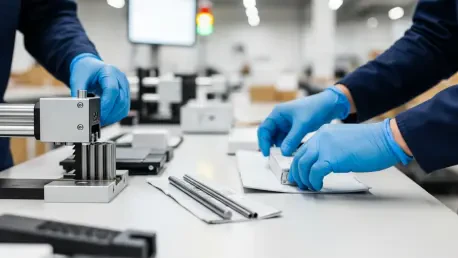

The industrial distribution landscape is undergoing a profound transformation, driven by a shift from traditional bulk supply chains to agile, digital-first marketplaces. At the center of this evolution is a story of resilience and modernization, where a family-run operation rooted in Michigan’s manufacturing hub successfully pivoted from serving automotive giants to empowering a nationwide community of creators. By leveraging decades of industry expertise and a forward-thinking approach to e-commerce, this transition highlights how specialized material suppliers can maintain their heritage while capturing new, diverse markets in a rapidly changing global economy.
This discussion explores the strategic shifts required to move from large-scale industrial contracts to a retail-ready model, focusing on the logistical challenges of small-batch fulfillment. We delve into the complexities of building a custom digital infrastructure to manage inventory and pricing at scale, the importance of monitoring niche communities like robotics teams to anticipate demand spikes, and the benefits of partnering with established digital platforms to expand a geographic footprint. Finally, we examine the delicate balance of preserving a multi-generational legacy while fostering the technological innovation necessary to remain competitive in today’s marketplace.
Many manufacturers find it difficult to move away from large-scale industrial contracts toward retail-ready models. How did you identify the specific materials that would appeal to individual buyers, and what logistical hurdles did you face while transitioning from bulk shipping to small-quantity orders?
The shift was really born out of necessity following the 2008 financial crisis, which forced us to rethink our entire approach when large-scale manufacturing began to consolidate. We realized that while the demand for massive bulk orders was fluctuating, there was a growing, underserved population of individual builders, hobbyists, and small machine shops who needed high-quality materials but couldn’t meet traditional minimums. We identified specialized items like plastic rods, tubes, sheets, and specific steel fasteners as high-value targets because they are often difficult for non-industrial buyers to source reliably. The logistical transition was significant, as we had to move away from the mindset of shipping pallets to a neighboring GM plant and instead focus on precision cutting and packaging for thousands of individual parcels. This required a complete overhaul of our warehouse flow to ensure that a single polycarbonate tube received the same level of quality control and shipping speed as a major industrial order.
Scaling a family business often requires replacing manual processes with automated systems for pricing and inventory. Can you walk us through the steps you took to build a custom digital infrastructure, and what specific metrics indicated that this modernization was successfully driving growth?
Building our digital infrastructure was a labor of love that involved taking decades of tribal knowledge and translating it into a scalable, in-house system. Because I had been around the shop since I was four years old, I understood the nuances of our inventory, but we needed a way to manage pricing and availability across thousands of SKUs without relying on manual entry. We focused on creating a centralized database that could update pricing in real-time, allowing us to stay competitive in a volatile materials market while ensuring our margins remained healthy. The most telling metric of our success was the immediate increase in order volume from non-traditional customers who found our pricing transparent and our stock levels reliable. We watched as our fulfillment accuracy improved and our geographic reach expanded, confirming that our digital-first approach was making specialized materials more accessible than ever before.
Specialized materials like polycarbonate tubing often see sudden spikes in demand from robotics teams and engineers. How do you monitor these emerging niche communities to stay ahead of inventory needs, and what practical steps do you take to ensure quality for such precise technical applications?
We stay ahead of the curve by maintaining a very close pulse on how technology and education are reshaping the use of industrial materials, such as the surge we recently saw during global robotics competitions. These technical communities require materials that meet exact specifications, so we treat every order for polycarbonate tubing or specialized fasteners as a critical component of a larger engineering project. To ensure quality, we maintain rigorous sourcing standards and conduct precision checks on every cut, knowing that a fraction of an inch can make or break a robot’s performance. We also monitor social trends and competition schedules to anticipate when these communities will need to replenish their supplies, allowing us to bolster our inventory before the peak demand hits. This proactive engagement ensures that we aren’t just a supplier, but a reliable partner for the engineers and builders who are pushing the boundaries of what these materials can do.
Partnering with an established digital marketplace can significantly expand a company’s geographic footprint. What criteria did you use to ensure a partnership would align with your specialized catalog, and how has managing thousands of live SKUs on a third-party platform changed your daily fulfillment operations?
When we looked for a partner, the primary criterion was finding a platform that shared our commitment to technical precision and understood the specific needs of material buyers. Partnering with Online Metals felt natural because their ecosystem is built for the exact types of specialized products we carry, from industrial plastics to precision fasteners. Integrating thousands of our live SKUs into their marketplace has certainly intensified our daily operations, requiring us to synchronize our internal inventory levels with the external platform to prevent any fulfillment delays. This partnership has opened doors to a nationwide customer base and organizations that require trusted, verified sourcing channels, which has pushed us to refine our picking and packing processes even further. It’s a high-volume environment that demands absolute accuracy, but the visibility we’ve gained across the country has been a massive catalyst for our continued growth.
Maintaining a family legacy while pursuing digital innovation requires a delicate balance between tradition and technology. How do you manage the transfer of industry knowledge between generations, and what strategies do you use to keep the business nimble enough to survive major shifts in the manufacturing landscape?
The balance between tradition and technology is maintained through constant communication between the foundational experience of my father, Keith, and the digital strategies I bring to the table. Growing up in the shop gave me a deep appreciation for the physical product and the importance of reliability, while my focus on IT allowed us to pivot when the 2008 crisis hit. We manage this knowledge transfer by documenting old-school manufacturing techniques within our new digital systems, ensuring that the “why” behind our quality standards is never lost as we automate the “how.” Our strategy for staying nimble is to never become too attached to a single way of doing things; we’ve evolved from injection molding to e-commerce because we prioritize the goal of accessibility over the comfort of routine. This culture of constant reinvention is what allows us to survive shifts in the landscape while keeping our family’s core values at the heart of every package we ship.
What is your forecast for the digital metals and plastics marketplace?
I believe the digital marketplace for specialized materials will continue to move toward extreme hyper-accessibility, where the line between industrial sourcing and consumer shopping becomes almost non-existent. We are seeing a trend where even large business customers prefer the speed and transparency of an e-commerce interface over traditional, slow-moving procurement cycles. In the coming years, I expect to see even more integration between digital storefronts and precision-cutting services, allowing customers to order custom-sized materials with a few clicks. As more organizations look for trusted sourcing channels that offer both variety and reliability, our focus will remain on expanding our catalog and refining our digital tools to meet that need. Ultimately, the future belongs to those who can combine deep material expertise with a seamless, modern buying experience for every type of builder.