
The restaurant industry currently faces an unprecedented convergence of digital expectations and physical operational constraints that have rendered traditional service models nearly obsolete. Historically, point-of-sale systems were viewed as utilitarian terminals—simple tools for ringing up orders and processing credit card transactions—but these systems have evolved into the central nervous system of the modern restaurant, acting as the primary hub for all business activities. Clover, a subsidiary of Fiserv, has positioned itself at the forefront of this evolution by transitioning from a mere hardware provider to a comprehensive operating layer that defines the daily workflow of thousands of establishments. The core of this strategy focuses on a unified commerce environment that seeks to bridge the gap between front-of-house service, back-of-house production, and the digital guest experience. This transformation is essential in an era where restaurant operations are becoming increasingly fragmented across various physical and digital channels, requiring a more sophisticated approach to data management and customer interaction. By integrating every facet of the business into a single ecosystem, the platform allows operators to move away from the “patchwork” tech stack that once defined the industry, moving instead toward a more streamlined, reliable, and scalable model that supports growth from 2026 to 2028 and beyond.
In today’s market, the need for a connected way to manage a business has never been more critical, as restaurant operators are no longer just managing a physical dining room but are overseeing an ecosystem of mobile orders and in-person transactions. Clover’s integrated platform aims to eliminate the friction inherent in these disparate systems by providing a single point of control for the entire operation, which is vital for maintaining brand consistency. When a customer interacts with a restaurant through a mobile app or a physical kiosk, they expect the same level of service and menu accuracy as they would receive from a server at a table. Achieving this level of synchronization requires a robust backend that can process diverse data streams in real-time without overwhelming the staff. The platform addresses these challenges by consolidating menu management, employee scheduling, and financial reporting into a cohesive interface that serves as a single source of truth for the owner. This architectural shift ensures that business intelligence is not buried in separate silos, allowing for a more holistic view of performance that enables proactive rather than reactive management decisions in an increasingly competitive landscape.
Navigating the Complexities of Modern Commerce
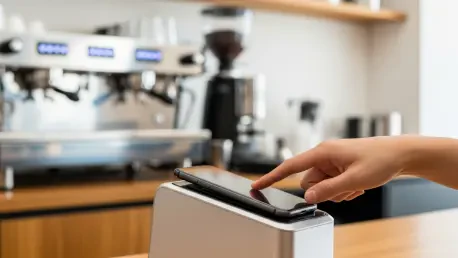
The modern restaurant operator faces a daunting level of complexity because guests no longer interact with a brand through a single channel, creating a fragmented journey that can be difficult to track. Customers order at the counter, from their tables via mobile devices, through self-service kiosks, on branded websites, and via third-party delivery apps, each requiring its own workflow and data management. Payments have followed a similar path of diversification, moving from physical cash and cards to digital wallets and contactless “tap-to-pay” devices that demand high-speed processing and secure encryption. Clover’s strategy is built around this operating reality to prevent managers from having to manually reconcile data from multiple platforms, which often leads to administrative exhaustion. By centralizing these inputs, the platform allows the staff to focus on hospitality rather than data entry, ensuring that the human element of the dining experience remains the priority. This integration is not just a convenience; it is a necessity for survival in a market where speed and accuracy are the primary metrics of success for any food service establishment, regardless of its size or service model.
When various systems do not communicate, staff are forced to stitch together information during the middle of a rush, leading to errors and delays that can permanently damage a restaurant’s reputation. By providing a single dashboard for menus, modifiers, staff workflows, and reporting, the platform maintains operational sanity and protects profit margins during high-pressure periods. For instance, if a specific ingredient runs out, a single update on the central dashboard can instantly reflect that change across the website, the handheld devices, and the kitchen display screens, preventing the frustration of a guest ordering an unavailable item. This level of agility is what separates modern operators from those still relying on legacy systems that require manual updates at every touchpoint. Furthermore, the ability to see real-time sales data alongside labor costs allows managers to adjust staffing levels on the fly, ensuring that the house is never over-staffed during a lull or under-staffed during an unexpected surge in digital orders. This data-driven approach transforms the point of sale from a passive ledger into an active tool for optimization and strategic planning that scales with the business as it grows.
The shift toward a unified commerce environment also addresses the critical issue of customer data ownership, which has historically been a significant challenge for restaurants using third-party services. When an operator relies on external apps for delivery or ordering, they often lose access to valuable insights about their customers’ preferences and behavior patterns. Clover’s platform mitigates this by providing integrated tools that capture guest data at every point of interaction, from the initial online order to the final payment at the table. This information allows restaurants to build detailed customer profiles and execute targeted marketing campaigns that drive repeat business without the need for expensive third-party agencies. By reclaiming this “digital front door,” restaurants can foster direct relationships with their patrons, offering personalized loyalty rewards and promotions that are based on actual purchasing history. This level of direct engagement is a powerful competitive advantage, as it enables restaurants to build a community of loyal guests who are more likely to support the brand directly rather than through intermediary platforms that charge high commission fees and dilute the brand experience.
Strategic Scale and Operational Stability
Clover has established itself as a dominant force in the small and mid-sized business sector, with a significant footprint across the global restaurant industry. The sheer scale of the platform—managing an annualized processing volume exceeding $337 billion—is a testament to its reliability and the trust placed in it by nearly 200,000 establishments. For these businesses, the technology serves as the backbone of daily operations, ensuring that transactions are processed and orders are transmitted even during the most demanding peak hours. This level of scale allows for continuous reinvestment in security and infrastructure, providing small businesses with the kind of enterprise-grade technology that was previously only accessible to major national chains. In an industry where margins are thin and every second counts, having a partner with the resources to ensure system stability is a significant advantage. The platform’s ability to handle massive volumes of data while maintaining a user-friendly interface is a result of years of refinement and a deep understanding of the unique pressures faced by restaurant owners and their employees in a fast-paced environment.
In the restaurant world, system downtime is catastrophic and can lead to permanent damage to a brand’s reputation as well as immediate financial loss. Clover leverages its massive infrastructure to offer a platform that is not only reliable but also highly adaptable to different service models, from full-service dining to quick-service cafes. Whether it is a high-volume food truck or a sophisticated fine-dining establishment, the infrastructure is built to handle the unique demands of the food and beverage industry without faltering under the weight of complex orders. This reliability extends to the offline capabilities of the system, which allow for payment processing and order management even when internet connectivity is temporarily lost, ensuring that the business never has to turn away a customer. This focus on uptime and resilience is a core pillar of the platform’s value proposition, as it provides operators with the peace of mind needed to focus on their culinary craft and guest service. By removing the technical anxiety associated with digital systems, the platform empowers staff to perform at their best, knowing that their tools will support them through every challenge they face during a busy shift.
The stability of the platform also facilitates a smoother onboarding process for new employees, which is a critical factor in an industry known for high turnover rates. A system that is intuitive and reliable reduces the training time required for new staff to become proficient, allowing them to contribute to the operation more quickly. When the hardware and software work seamlessly together, it minimizes the frustration that often leads to employee burnout and dissatisfaction. By providing a consistent and easy-to-use interface across all devices—whether it be a stationary terminal or a handheld mobile unit—Clover ensures that staff can move between different roles and areas of the restaurant without having to learn a completely new system. This operational flexibility is a key driver of efficiency, as it allows for a more agile workforce that can adapt to changing demands throughout the day. Ultimately, a stable and well-designed technology platform serves as a foundation for a positive workplace culture, where employees feel supported by the tools they use and can focus on delivering an exceptional guest experience every time they step onto the floor.
Hardware Built for Every Service Model
One of the primary competitive advantages of this ecosystem is a diverse hardware lineup designed to meet the specific spatial and functional needs of different formats. The hardware is a modular toolkit rather than a one-size-fits-all solution, allowing businesses to scale their tech stack as they grow from a single location to a multi-unit operation. From the flagship Station Duo for counter service to the compact Clover Mini for tight spaces, the physical tools are engineered for durability and speed in high-traffic environments. These devices are not merely adapted tablets but are purpose-built machines designed to withstand the spills, heat, and constant use common in commercial kitchens and busy dining rooms. The integration of high-definition displays, fast thermal printers, and integrated payment peripherals ensures that the checkout process is as fast as possible, reducing wait times and improving the overall guest flow. This physical reliability is matched by an aesthetic design that complements the decor of modern restaurants, ensuring that the technology enhances rather than detracts from the establishment’s atmosphere and branding.
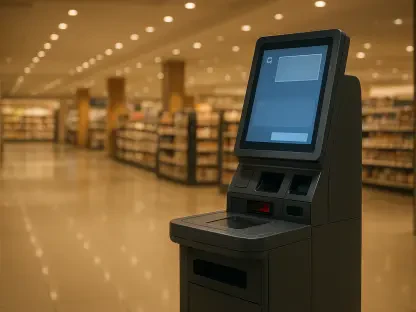
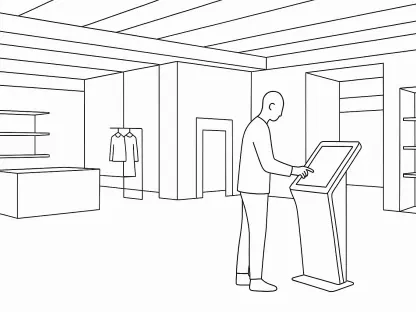
Mobile and handheld devices have become critical for the industry-wide shift toward tableside ordering and “line-busting” strategies that optimize throughput. By allowing servers to take orders and process payments directly at the table, restaurants can increase table turnover and reduce the errors that often occur when staff walk back and forth to stationary terminals. This immediate entry of orders into the system ensures that the kitchen receives the information instantly, significantly reducing the “order-to-table” time. Additionally, all-in-one kiosks have been introduced to help operators manage rising labor costs by allowing guests to handle their own transactions, which is particularly effective in quick-service environments. These kiosks are designed with intuitive interfaces that guide guests through the ordering process, often resulting in higher average check sizes through automated upselling prompts that a busy staff member might forget. The flexibility of the hardware ecosystem means that an operator can mix and match these devices to create a customized setup that fits their specific service flow, whether they are running a traditional sit-down restaurant or a hybrid model that emphasizes carry-out and delivery.
The hardware ecosystem extends into the kitchen through digital Kitchen Display Systems (KDS) that replace traditional paper tickets with a more efficient and organized method of order management. These systems provide multi-level fulfillment and “expo mode” for expeditors, helping chefs identify bottlenecks in the cooking process and ensuring that all components of an order are ready at the same time. By digitizing the workflow, the system ensures that every order—whether it comes from a kiosk, a mobile app, or a server—is synchronized and visible to the entire culinary team in real-time. This visibility reduces the noise and chaos often associated with paper-based kitchens, leading to a more focused and productive cooking environment. The KDS also tracks the time taken for each dish to be prepared, providing managers with valuable data that can be used to optimize kitchen layouts or adjust staffing levels based on specific meal periods. This integration of front-of-house and back-of-house technology creates a seamless loop of information that improves accuracy, reduces waste, and ultimately leads to a more satisfied customer who receives their meal exactly as ordered and at the right temperature.
Optimizing Back-of-House Coordination
The transition from front-of-house ordering to back-of-house execution is the most sensitive handoff in a restaurant, and its success often determines the overall quality of the guest experience. Today’s cooks are rarely preparing food for just the people in the dining room; they are simultaneously fulfilling orders from a dozen different digital sources, which can lead to significant confusion without the right tools. Clover’s KDS manages this multi-input reality by consolidating all channels into a clear, color-coded digital display that reduces ticket clutter and allows the kitchen staff to prioritize their work effectively. This system can be configured to show different views for different stations, such as the grill, the fry station, or the salad prep area, ensuring that each team member sees only the information relevant to their tasks. By streamlining the flow of information, the platform helps prevent the “lost ticket” syndrome that often occurs during peak hours, ensuring that every customer is accounted for and served in a timely manner. This level of coordination is vital for maintaining a high standard of quality across all service channels, especially as the volume of off-premise orders continues to grow.
For operators, this level of visibility provides valuable data on fulfillment times that was previously impossible to track with manual receipts or antiquated paper systems. This data-driven approach allows for better training and more efficient kitchen management by highlighting exactly where delays are occurring, whether it be a slow prep station or a bottleneck at the expo line. Managers can use these insights to reward high-performing staff members or provide targeted coaching to those who may be struggling with specific tasks. This ensures that the grill, fry, and salad stations remain perfectly synchronized, regardless of how the order was originally placed or how complex the modifications might be. Over time, the accumulation of this data allows for more accurate labor forecasting, as owners can see exactly how many staff members are needed to handle specific order volumes based on historical prep times. This move toward a more analytical kitchen management style is a key component of the broader trend of “smart restaurants” that use technology to drive operational excellence and improve the bottom line by minimizing labor waste and maximizing production efficiency.
The integration of the KDS with the front-of-house systems also enhances the transparency of the entire operation, providing servers with real-time updates on the status of their orders. Instead of having to walk into the kitchen to check on a dish—which can disrupt the flow of the cooks—a server can simply glance at a terminal or their handheld device to see if an order is being prepared, plated, or is ready for pickup. This flow of information improves communication between the kitchen and the dining room, allowing for a more professional and calm service environment even during the busiest rushes. Furthermore, this connectivity allows the system to provide accurate “estimated time of arrival” updates to customers waiting for takeout or delivery, which significantly improves the guest experience by managing expectations. By bridging the gap between the culinary team and the service staff, the platform fosters a more collaborative work culture where everyone has the information they need to succeed. This holistic approach to coordination is what enables a modern restaurant to handle the complexities of multi-channel dining without sacrificing the quality or the speed of the service they provide to their patrons.
Reclaiming the Digital Front Door
A significant milestone in the platform’s evolution was the integration of BentoBox, which focuses on the “digital front door” of the restaurant to address the shift in consumer behavior. This partnership addresses a major pain point: the loss of margins and customer data to third-party delivery marketplaces that often charge exorbitant fees and distance the restaurant from its guests. By offering professional website management and commission-free online ordering, the platform allows restaurants to build direct, profitable relationships with their guests while maintaining control over their brand identity. This digital ecosystem extends reach into event management, catering, and automated marketing tools like loyalty programs and gift cards, all of which are managed through the same central interface. By connecting the digital guest journey directly to the POS and kitchen, the platform ensures that an online order is treated with the same operational efficiency as a walk-in guest, preventing the digital channel from feeling like an afterthought. This unified approach means that a menu change made on the main dashboard is instantly reflected across the website and all handheld devices, ensuring that guests always have access to the most current information.
The move toward commission-free ordering is a game-changer for independent restaurants that have historically struggled to compete with the marketing budgets and technological capabilities of large chains. By providing these establishments with a sophisticated digital presence that is fully integrated with their operations, Clover levels the playing field and allows local favorites to thrive in a digital-first economy. This integration also allows for the collection of high-quality first-party data, which can be used to create personalized dining experiences that keep customers coming back. For example, a restaurant can send a targeted email to a guest who has not visited in a month, offering them a discount on their favorite dish, or they can use the data to identify which seasonal items are most popular with their digital audience. This level of marketing sophistication was once the exclusive domain of massive corporations, but it is now accessible to any restaurant using a unified platform. By owning the digital relationship, operators can protect their brand and their profits, ensuring that they are not just a line item on a third-party app but a destination for their community.
The shift toward “platformization” reflects a growing industry consensus that operators no longer want a patchwork of different subscriptions for different tasks that lead to fragmented data and high administrative costs. They prefer a single partner that can handle everything from payment processing and website hosting to search engine optimization and kitchen management. This consolidation reduces the mental load on the operator while ensuring that all business data remains clean, actionable, and centralized in one place. When all tools are designed to work together, there is a significant reduction in the time spent on troubleshooting and technical support, allowing the restaurant owner to focus on what matters most: the food and the guests. This streamlined approach to technology is becoming the standard for the industry, as it provides a more sustainable and efficient way to manage the complex demands of modern commerce. By simplifying the tech stack, Clover allows restaurants to be more agile and responsive to market changes, ensuring that they can quickly adopt new features and services as they become available without having to overhaul their entire system.
Advanced Management and Future Operational Standards
The launch of Clover Hospitality signals a move into the upper-market segment, catering to higher-end full-service establishments with unique requirements that go beyond the needs of quick-service shops. These businesses require sophisticated table management, course timing, and complex check-splitting capabilities that can handle a large party’s intricate demands with ease. The system is engineered to handle these nuances, allowing staff to focus on the human element of hospitality while the software manages the logistical complexity of the meal in the background. For example, the software can track which items are being served in which order, ensuring that appetizers are cleared before entrees are fired, which is a critical component of fine-dining service. This level of detail ensures that the guest experience remains seamless and sophisticated, even as the restaurant utilizes modern technology to improve its backend efficiency. The ability to manage seat assignments and guest preferences directly through the POS further enhances the personalized service that defines high-end hospitality, making every guest feel like a regular from the moment they sit down.
Beyond guest-facing features, the platform provides a robust suite of tools for labor management and business analytics that are essential for long-term sustainability. By linking sales data with labor costs, managers can see exactly how productive their staff is during specific shifts, allowing for smarter and more cost-effective scheduling that aligns with actual demand. This integration enables data-driven menu engineering, helping owners identify high-profit items and maximize their bottom line through informed decision-making rather than guesswork. For instance, the system can highlight which dishes have the best margin and the highest popularity, allowing the chef to feature those items more prominently or adjust the price of underperforming dishes. This level of financial visibility is crucial for navigating the rising costs of ingredients and labor, providing a clear path to profitability in a challenging economic environment. By turning raw data into actionable insights, the platform empowers restaurant owners to act as true CEOs, managing their businesses with a level of precision that was previously unattainable for most independent operators.
Operators who successfully migrated to this unified architecture prioritized data integrity and staff training to ensure the platform functioned as a true force multiplier for their business. They found that by consolidating their digital and physical workflows, they significantly reduced the time spent on manual reconciliations and improved the speed of their service across all channels. These businesses also saw a marked improvement in guest satisfaction, as the integrated loyalty and ordering tools allowed for a more personalized and consistent brand experience. Moving forward, the most successful restaurants will be those that continue to leverage these tools to build direct relationships with their customers and optimize their internal operations through data-driven insights. The transition from fragmented tools to a single operating system has not just simplified the life of the operator; it has created a more resilient and adaptable business model that is well-prepared for the evolving demands of the market through 2028 and beyond. By adopting a platform-centric approach, restaurants ensured they remained competitive in an era where technology is no longer an optional add-on but the very foundation of hospitality success.