
The retail landscape in the modern era has reached a critical juncture where the financial burden of product returns frequently eclipses the profit margins of original sales. As e-commerce continues to dominate consumer habits, the volume of returned goods creates a logistical nightmare that drains resources and complicates inventory management across global supply chains. Merchants have sought a middle ground that respects consumer flexibility while protecting the bottom line from the erosive effects of constant refund requests. Swap has introduced Checkout+ as a response to this systemic challenge, providing a technology layer that identifies opportunities for revenue retention before a return is initiated. By integrating with existing e-commerce frameworks, this tool facilitates a shift from traditional refunds toward value-added exchanges and credit solutions. This evolution transforms a negative interaction into a moment of re-engagement, turning a loss center into a strategic revenue driver for brands.
Bridging the Gap: Retention Through Seamless Integration
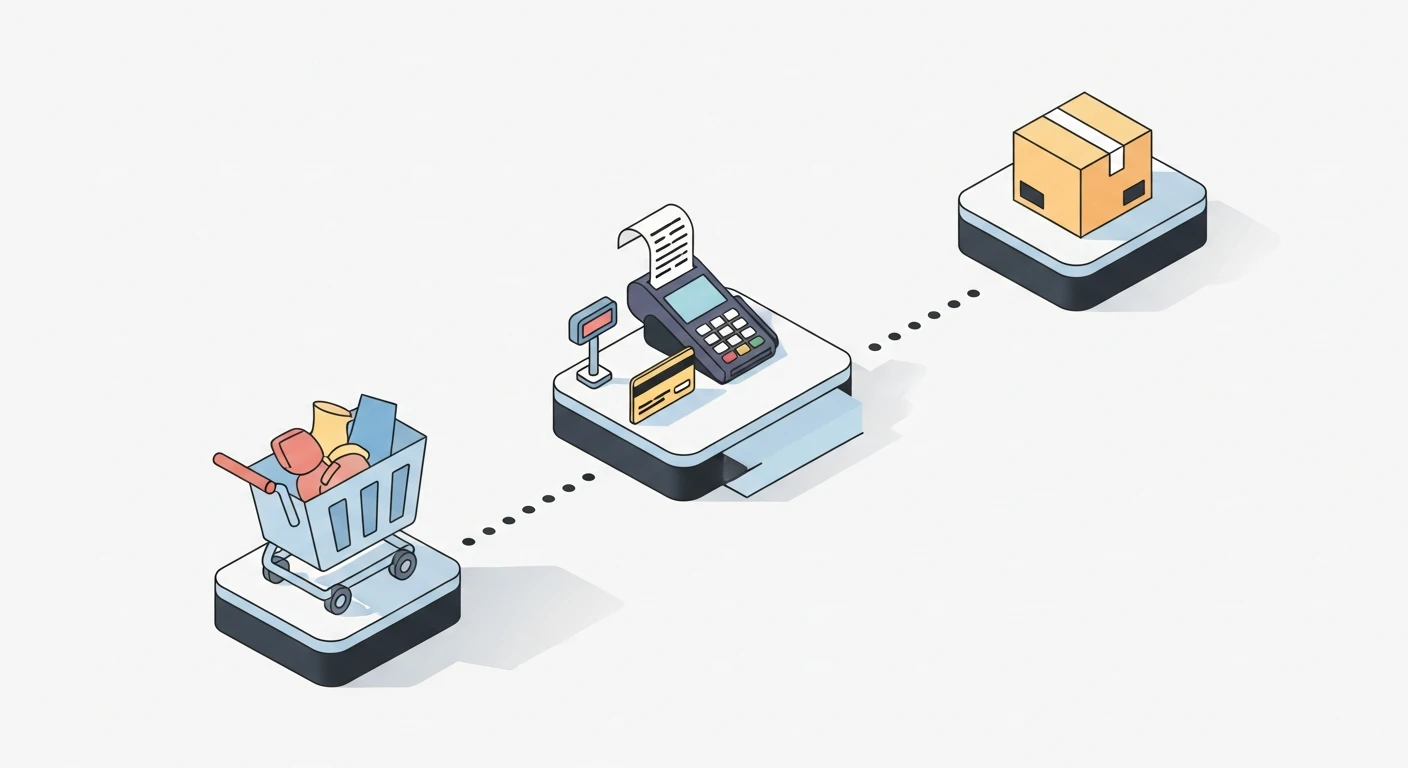
The technical architecture of Checkout+ relies on high-velocity API connections that sync inventory data with customer purchase history in real time. When a consumer initiates a return, the platform immediately analyzes stock levels and suggests relevant alternatives based on the user’s previous preferences and current shopping trends. This proactive approach prevents the immediate loss of capital by offering instant credit or specific product swaps that can be confirmed with a single click. Unlike older legacy systems that require manual intervention from customer support teams, this automated workflow operates at scale, allowing massive retailers to manage thousands of transactions without adding overhead. The integration extends to the initial checkout phase as well, where customers can opt into specialized return protections. By embedding these options into the primary transaction flow, brands establish transparency that fosters trust and reduces friction for the end user.
Beyond technical benefits, the implementation of this solution addresses the growing need for personalized customer experiences in a crowded digital marketplace. Modern consumers value efficiency and flexibility above almost all other factors when choosing where to spend money, and a rigid return policy can be a significant deterrent to repeat business. By providing a platform that treats a return as an opportunity to find a better fit rather than just an end to a transaction, companies can significantly improve their lifetime customer value. The data insights gathered through these exchange interactions also provide invaluable feedback for product development teams, highlighting issues with sizing, color accuracy, or material quality. Instead of viewing a return as a failure, the system treats it as a data point that informs future inventory decisions and marketing strategies. This holistic view ensures that every interaction contributes to the overall health of the brand’s ecosystem for long term success.
Strategic Advantage: Converting Logistics Into Profitability
The financial implications of shifting from a refund-centric model to a revenue-retention model are profound for retailers operating on thin margins in 2026. Traditional reverse logistics involve the loss of the original sale, addition of shipping costs, inspection labor, and potential liquidation of goods at a fraction of their value. Checkout+ mitigates these losses by encouraging consumers to keep the value of their purchase within the brand’s ecosystem, whether through an even exchange or a shift to store credit that carries a higher perceived value than a standard refund. This strategy effectively stabilizes cash flow and reduces volatility associated with high return rates during peak shopping seasons. Furthermore, by streamlining the exchange process, the platform reduces the time inventory spends in transit, allowing items to be restocked and resold faster than through conventional channels. This optimization ensures that capital is not tied up in floating returns, providing needed liquidity for the firm.
Successful adoption of advanced return management tools became a baseline requirement for any competitive e-commerce enterprise. Retailers prioritized the integration of modular return systems that adapted to changing consumer behaviors and emerging logistical challenges in the 2026 market. The transition toward a more circular economy required businesses to rethink the lifecycle of their products, and automated exchange platforms represented a significant step toward reducing waste and maximizing utility. Actionable steps for merchants included auditing current return data to identify the most frequent causes of dissatisfaction and implementing tiered exchange incentives that rewarded loyal customers. By moving away from reactive refund policies and toward proactive revenue recovery, brands secured a stronger position in a volatile economy. This shift ensured that the relationship with the customer remained intact even when the initial product did not meet their needs through value-driven interactions.