
The traditional brick-and-mortar storefront is currently undergoing a metamorphosis where the physical walls possess an awareness of consumer behavior and logistical fluctuations. This technological shift, known as AI Retail Data Orchestration, represents a significant advancement in how commerce is conducted in the physical world. Unlike previous digital interventions that merely added screens to walls, this review explores a system that functions as a central nervous system for the retail environment. By integrating artificial intelligence into the core operational layer, retailers are attempting to solve the long-standing problem of the “blind” physical store. The purpose of this analysis is to provide a thorough understanding of the technology, its current performance metrics, and the tangible impact it has on the consumer journey.
The Evolution of Intelligent Environments in Physical Retail
The emergence of AI-driven data orchestration marks a departure from traditional retail models that relied on static planning and manual execution. Historically, physical stores operated on rigid promotional calendars and fixed layouts that were decided months in advance at corporate headquarters. These models lacked the agility to respond to local changes, often leading to wasted inventory or missed opportunities. The integration of artificial intelligence has introduced a foundational layer that converts brick-and-mortar locations into connected, responsive ecosystems. This evolution is not merely about better software but about a fundamental shift toward “edge intelligence,” where data is processed and acted upon at the point of customer contact rather than being sent to a distant server for delayed analysis.
This transition has effectively ended the era of the passive retail space. Modern orchestration technology functions by embedding intelligence directly into operational workflows, allowing the store to react to real-time signals rather than following a predetermined, inflexible schedule. In practice, this means the environment can detect a sudden influx of foot traffic and automatically adjust lighting, promotional messaging, or staff positioning. This shift mirrors the broader technological landscape where “smart” is no longer a feature but an inherent property of the infrastructure. The retail environment has evolved from a simple place of transaction into a sophisticated data processor that actively participates in the sale.
Core Pillars of AI-Driven Data Orchestration
Real-Time Data Synthesis and Synchronization
The primary engine behind this technology is the process of unifying disparate data streams into a single, actionable operational picture. Traditionally, Point-of-Sale transactions, inventory levels, and staffing schedules existed in isolated silos, requiring human managers to bridge the gap. Orchestration software breaks these silos by continuously cross-referencing internal metrics with external variables. For instance, the system can monitor local weather feeds and immediately correlate a drop in temperature with current stock levels of outerwear. This is unique because it moves beyond simple “if-then” logic to a more nuanced synthesis of factors that human operators might overlook.
The technical significance of this component lies in its ability to maintain a cohesive view of the business under fluctuating conditions. Performance is measured by the latency between a data signal and an operational response. Competitors in the space often struggle with data lag, but advanced orchestration layers use localized processing to ensure that synchronization happens in milliseconds. By providing this unified view, the technology prevents fragmented implementations where marketing efforts are disconnected from actual stock availability. It ensures that the store manager is not just reacting to yesterday’s reports but is instead steering the business based on the immediate reality of the floor.
Dynamic Smart Engagement Surfaces
Digital signage has undergone a total reimagining, moving from a static medium into a reactive engagement surface. These surfaces draw directly from the orchestration layer to prioritize content based on contextual relevance rather than a repetitive loop. While traditional signage requires manual updates, these AI-driven displays utilize live operational inputs to decide which message will most likely influence a purchase at any given moment. This is the “voice” of the orchestrated store, translating complex backend data into a frontend visual language that the customer can easily digest.
The difference between this and basic digital billboards is the depth of the integration. A smart engagement surface can recognize when a specific product is being handled or when a certain demographic is browsing a section, adjusting its display to provide social proof or deep technical specifications. It turns the physical aisle into a medium that offers the same level of information and validation found in online shopping. This component is essential because it bridges the gap between the store’s “brain” and the consumer’s eyes, ensuring that the wealth of data being collected actually results in a more informed and engaged shopper.
Contemporary Shifts in Retail Tech Responsiveness
The most recent developments in the field center on the transition from simple automation to deep responsiveness. Emerging trends show a move toward the “Experience du Jour,” where the store environment “flexes” based on variables like local events or sudden social media trends. Industry behavior is shifting away from viewing AI as a replacement for human labor and toward viewing it as a tool for operational agility. Instead of automating people out of the store, orchestration empowers the existing staff by handling the cognitive load of monitoring inventory and traffic patterns, allowing them to focus on high-value customer interactions.
There is also an increasing focus on the “validation hit,” where online shopping behaviors are replicated in the physical aisle. Consumers have become accustomed to seeing real-time reviews and “local trending” callouts while browsing websites. Orchestration brings this social proof to the physical shelf, using data-informed displays to show that a particular item is a top seller in that specific zip code. This shift is critical because it addresses the modern consumer’s need for instant reassurance and data-backed decision-making. The store is no longer just selling a product; it is providing a curated, validated experience that mirrors the digital world.
Transforming Customer Engagement Through Smart Surfaces
In practice, this technology is being deployed to bridge the gap between digital and physical commerce with remarkable precision. Grocery chains utilize inventory-driven promotions to automatically highlight overstocked or expiring items, effectively reducing waste while offering value to the customer. This level of responsiveness is something traditional signage could never achieve. If a product goes out of stock, the system removes it from all displays instantly, preventing the consumer frustration that occurs when a promoted item is unavailable. This creates a more reliable and trustworthy shopping environment where the digital promises match the physical reality.
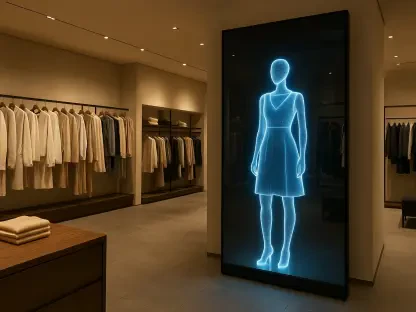
In the fashion and automotive sectors, high-reach LED displays and digital shelf labels provide a more personalized and efficient experience. Customers can access deep product specifications or localized trends without requiring immediate staff assistance, which is particularly valuable during peak hours. These implementations offer a “self-service plus” model, where the consumer feels empowered by information rather than overwhelmed by choice. By making the store more navigable and informative, AI orchestration reduces the friction of the physical shopping trip, making it as efficient as a digital checkout while retaining the tactile benefits of being in a physical space.
Critical Hurdles: Legacy Infrastructure and Data Fragmentation
Despite the potential of AI orchestration, its widespread adoption is hindered by the inadequacy of current retail infrastructure. Many organizations struggle with fragmented legacy systems where marketing, inventory management, and analytics platforms do not communicate. This lack of synchronization creates a “bottleneck” that prevents cloud-based AI tools from accessing the real-time data they require. This is the Achilles’ heel of the technology; an AI is only as good as the data it can access. If the Point-of-Sale system is twenty years old and lacks an open API, the most sophisticated orchestration layer in the world will remain effectively blind.
Addressing these foundational issues is a significant technical hurdle, as it requires a complete overhaul of how data is integrated across the organization. Ongoing development efforts are currently focused on creating more robust, integrated middleware to connect legacy hardware with modern AI orchestration layers. Furthermore, there is a cultural hurdle within many retail organizations where departments operate as silos. Marketing teams may not want to cede control of signage content to an automated system, even if that system is more responsive to stock levels. Overcoming these internal barriers is just as critical as solving the technical challenges of data fragmentation.
The Future Landscape of Data-Informed Shopping Spaces
The trajectory of AI retail data orchestration points toward a future where the physical store is a living, adaptive environment. We can expect breakthroughs in predictive orchestration, where the system doesn’t just react to current data but anticipates shifts in consumer behavior before they occur. This will likely involve the integration of more diverse data sets, such as global supply chain fluctuations or local transit data, to prepare the store for arrivals and demands hours in advance. Long-term, this technology will likely eliminate the boundary between online and offline shopping, creating a unified retail identity.
The stores of the future will not be defined by their static inventory or layout, but by their ability to continuously reorganize themselves to meet the requirements of the modern consumer. We may see environments that physically shift—where modular displays and robotic shelving move in response to orchestration signals to optimize floor space in real time. The ultimate goal is a store that feels as personalized as a social media feed but as tangible as a neighborhood shop. As sensors become more pervasive and AI models become more lightweight, the cost of entry for this technology will drop, leading to a world where even small retailers can compete with the operational precision of global giants.
Summary Assessment of AI Orchestration Performance
AI retail data orchestration represented a fundamental structural shift in how physical commerce operated. By prioritizing responsiveness over simple automation and dismantling data silos, this technology enabled a more agile and personalized retail experience. While infrastructure challenges remained a significant obstacle to universal adoption, the state of the technology demonstrated a clear potential to revitalize brick-and-mortar locations. Retailers who successfully leveraged data orchestration transformed their physical stores into intelligent, data-informed spaces that moved in rhythm with their customers. Ultimately, the transition from static to responsive environments proved to be the most critical factor in the survival of physical retail in a digitally dominated marketplace.