
The global retail landscape has entered a definitive era where the once-distinct boundaries between physical storefronts and digital marketplaces have completely vanished into a unified operational model. Retailers are currently navigating a major shift from outdated manual processes to sophisticated digital ecosystems that link physical stores with online platforms through high-speed connectivity and advanced sensors. This transition is essential for maintaining profitability in a fluctuating economy, as it allows companies to manage storefronts with the same precision and data depth found in pure-play e-commerce environments. By adopting data-centric frameworks, businesses can replace slow, error-prone workflows with automated systems that protect their bottom line and ensure long-term stability in an unpredictable market. The traditional reliance on guesswork is being phased out in favor of algorithmic efficiency, creating a retail environment where every unit becomes an active node in a larger digital network.
Overcoming Structural Retail Inefficiencies
Mitigating the Impact of Economic Volatility
The retail industry faces significant pressure from global inflation and a persistent shortage of affordable labor, making traditional business models less effective than they were just a few years ago. In the past, companies could rely on low-cost labor to handle routine tasks, but rising expenses and shifting worker demographics have made these manual methods a heavy financial burden that erodes margins. To stay competitive, executives are moving toward total digital integration, ensuring that every physical asset in the store is connected to a centralized management system that reduces the need for constant human intervention. This strategy is not merely about replacing people with machines; it is about augmenting the existing workforce with high-fidelity data that allows for smarter allocation of resources. By automating mundane aspects of store management, retailers maintain high operational standards without significantly increasing their payroll, even as external market pressures continue to mount.
Eliminating Paper-Based Bottlenecks and Manual Errors
Much of the financial waste in traditional stores is caused by paper-based systems, specifically manual price tags and physical inventory checks that require hundreds of labor hours each month. These legacy methods are not only slow but also lead to pricing discrepancies between the shelf and the checkout counter, which can damage customer loyalty and result in legal issues for the retailer. Without the ability to update prices instantly, retailers often miss out on revenue opportunities when competitors adjust their rates, leaving them at a significant disadvantage in a fast-paced market. This lag time between a market shift and a store’s response can result in millions of dollars in lost potential profit over a single fiscal year. Furthermore, the physical labor involved in printing and placing paper labels is a recurring cost that yields no long-term value, as these tags are discarded immediately. The move toward automation is a move toward eliminating these invisible leaks that drain capital.
Digitizing the Storefront for Better Performance
Implementing Smart Labels and Real-Time Synchronization
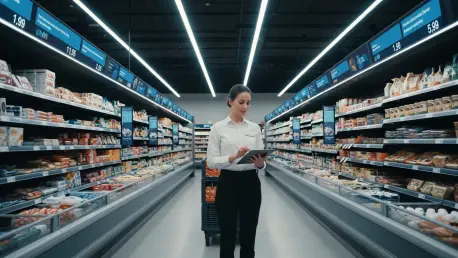
Electronic shelf labels act as a vital link between digital data and physical products, allowing retailers to manage their inventory with greater accuracy and speed than ever before. By using enterprise-grade IoT solutions, companies can update pricing across thousands of storefronts at once using a central cloud server, ensuring absolute consistency across the entire brand. This technology ensures that the physical shopping experience matches the speed and flexibility of online retail, providing a seamless experience for both staff and customers while eliminating the costs of printing and distributing paper tags. Implementation of these smart labels allows store managers to react to localized trends or inventory surpluses in real time, turning a static shelf into a dynamic selling tool. This level of agility is particularly useful during high-traffic promotional periods where prices may fluctuate. By integrating these labels, retailers also provide customers with additional information, such as digital reviews.
Leveraging Dynamic Pricing to Maximize Revenue
Dynamic pricing is a major factor in improving profit margins, as it allows stores to change prices based on current stock levels and consumer demand without manual intervention. This is particularly helpful for managing perishable items, where timely discounts can help sell products before they expire and prevent total loss, thereby significantly reducing waste in the grocery sector. Since these updates are synchronized across the entire network, retailers can be sure that their promotional strategies are implemented correctly and immediately at every location, maximizing the impact of every marketing decision. This automated responsiveness allows a business to capture the highest possible margin during peak demand while still maintaining high inventory turnover during slower periods. Moreover, the integration of artificial intelligence with these IoT systems allows for predictive pricing models that can anticipate demand spikes before they occur. This proactive approach ensures that the retail environment is always optimized for maximum revenue.
Advancing Operational Sustainability and Logistic Fluidity
Improving Supply Chain Flow and Workforce Efficiency
The benefits of automation extend deep into the supply chain, where real-time shelf data helps prevent stockouts and lowers the high costs associated with holding excess inventory in regional warehouses. By automating repetitive tasks like counting stock and changing labels, retailers redirected their employees toward more valuable roles, such as improving customer service and driving sales through personal interaction. This shift created a more efficient workforce and a resilient logistical network that adapted to sudden changes in consumer behavior or unexpected disruptions in the global supply route. When the store’s inventory levels were visible in real time to the entire supply chain, replenishment cycles became shorter and more accurate, reducing the capital tied up in unsold goods. This transparency also allowed for better coordination with suppliers, as they could see exactly how fast products moved and adjusted their production schedules accordingly. The result was a leaner operation that prioritized speed.
Realizing Long-Term Operational Stability
Switching to low-power E-Ink technology allowed retailers to meet environmental goals by drastically reducing the need for paper and the logistics required to ship them to various store locations. Modern investors and consumers increasingly prioritized sustainability, and digitizing the shelf edge offered a measurable way for a company to lower its carbon footprint while simultaneously improving its internal efficiency. By combining energy-efficient hardware with intelligent data, retailers built a model that was not only more profitable but also more socially responsible in the eyes of the public. This reduction in waste went beyond just paper, as optimized inventory management led to fewer expired products and a more streamlined transport network that used less fuel. Corporate responsibility became a core component of brand value, and those who adopted these technologies found they could appeal to a more conscientious demographic. This evolution proved that long-term stability was achievable through the strategic implementation of green automation tools.