
Walking through a modern neighborhood grocery store often reveals a striking contrast between high-end digital aesthetics and the laborious reality of manual price updates. While massive retail chains have spent the last few years transitioning to fully automated environments, smaller independent operators have frequently remained tethered to the traditional, time-consuming practice of printing and clipping paper tags. This digital divide is not merely a matter of convenience; it represents a significant gap in operational efficiency that leaves local boutiques and grocers at a disadvantage. However, the landscape is shifting rapidly as new, accessible technology enters the market. The emergence of specialized electronic shelf label kits marks a significant milestone in this evolution, providing a manageable entry point for businesses that previously found smart-shelf systems financially or technically prohibitive. By offering professional-grade hardware in a modular format, this technology enables small retailers to adopt the same precision-driven tools used by global giants.
Overcoming the Cost Barrier for Local Retailers
Financial Obstacles: Breaking the Entry Wall
The financial burden associated with digital transformation has traditionally served as a primary deterrent for small and mid-sized businesses looking to upgrade their physical storefronts. For years, the acquisition of electronic shelf labels required not only a massive initial purchase of individual units but also the installation of specialized, proprietary server hardware and expensive networking infrastructure. This high entry cost meant that only major multi-national corporations could afford to optimize their pricing strategies in real time, leaving independent shops to struggle with the rising costs of labor and the inaccuracy of manual systems. These retailers often faced a dilemma where the cost of the technology outweighed the immediate savings, creating a technological plateau that seemed impossible to overcome. Without a modular or scaled-down version of these systems, the benefits of digital price management remained a luxury reserved only for the industry’s most profitable players.
Implementation Strategy: Building Scalable Infrastructure
The introduction of specialized DIY kit models fundamentally changes the economic equation for local businesses by simplifying both the procurement and installation processes. By bundling high-resolution digital tags with a pre-configured wireless gateway and intuitive management software, such systems eliminate the need for expensive third-party technicians or dedicated IT staff. This all-in-one approach allows a business owner to transition a single aisle or a specific department to digital labels without committing to a full-store overhaul. It essentially democratizes access to professional-grade hardware, making it possible for a small neighborhood pharmacy or a boutique wine shop to project the same level of technological sophistication as a large-scale supermarket. This shift toward modularity ensures that the initial capital outlay remains manageable while providing a clear pathway for future expansion as the business grows and realizes the tangible benefits of automation.
Enhancing Efficiency Through Software Integration
Cloud Connectivity: Synchronizing the Edge
One of the primary drivers behind the success of new DIY shelving kits is the ability to integrate seamlessly with the existing software ecosystems that small businesses already rely on. Rather than forcing owners to migrate to a new, unfamiliar database, these systems are built to sync directly with popular cloud-based Point of Sale platforms such as Square, Shopify, and Loyverse. This connectivity ensures that any change made to a product’s price in the central management system is reflected on the shelf edge almost instantly. For a busy store manager, this means that a promotion launched on an e-commerce site can be mirrored in the physical store with a single click, creating a truly omnichannel retail experience. This level of synchronization was previously the domain of large enterprises with custom-built software, but the move toward open API integrations has made it an accessible reality for even the smallest market stalls or specialized retail boutiques today.
Operational Gains: Accuracy and Employee Value
The elimination of manual labor in the pricing process leads to a significant increase in operational accuracy, which directly impacts a business’s bottom line and customer satisfaction levels. Traditional paper tags are not only labor-intensive to produce but are also highly susceptible to human error, which can lead to costly mistakes at the checkout counter. When a customer discovers that a product is more expensive than the label suggested, it creates a sense of distrust that can damage a brand’s reputation long after the transaction is complete. Automated electronic labels solve this problem by ensuring that the shelf display and the register system are always in perfect alignment. This consistency builds a stronger relationship between the retailer and the consumer, as it demonstrates a commitment to transparency and modern efficiency. In an era where every customer interaction counts, the reliability of the pricing display becomes a vital component of the overall brand identity.
Expanding Horizons for Digital Displays
Industry Versatility: Beyond Traditional Retail
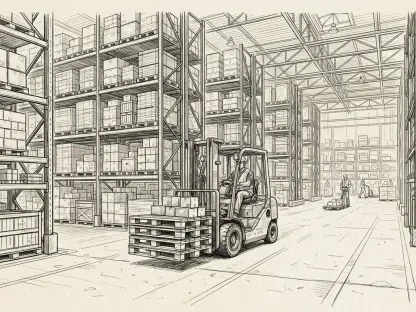
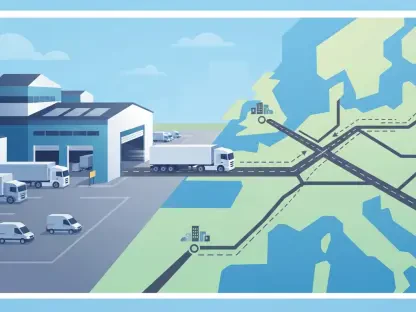
While the immediate impact of electronic shelf labels is felt most strongly in retail storefronts, the underlying technology has broad implications for various other sectors of the economy. In modern warehouse and logistics environments, these digital displays are being repurposed to facilitate real-time inventory tracking and picking instructions. By mounting e-ink tags on storage bins, managers can provide workers with up-to-the-minute data on stock levels, order priorities, and shipping destinations without the need for handheld scanners or paper lists. This application streamlines the supply chain by reducing the time spent searching for items and minimizing errors in order fulfillment. As warehouses become increasingly digitized, the demand for low-power, high-visibility displays will continue to grow, making the DIY kit model an attractive option for small-scale logistics providers looking to modernize their facilities without the complexity of a complete system redesign.
Strategic Evolution: Future Directions in Automation
Successful implementation of digital labeling required a shift in mindset from traditional management to a more data-centric approach. Retailers who embraced this change found that the transition was less about replacing human labor and more about augmenting it with better information. To maximize the value of these kits, business owners first identified the product categories with the highest price volatility or the most frequent promotions. It was observed that starting with a targeted deployment allowed for a clearer assessment of the return on investment before a full-scale rollout was initiated. Businesses that integrated their shelving data with analytics tools gained deeper insights into consumer behavior and seasonal trends. For those looking to stay ahead, the current focus should remain on ensuring seamless software compatibility and training staff to utilize the new tools effectively. This proactive strategy ensured that the digital storefront remained a dynamic and profitable asset.