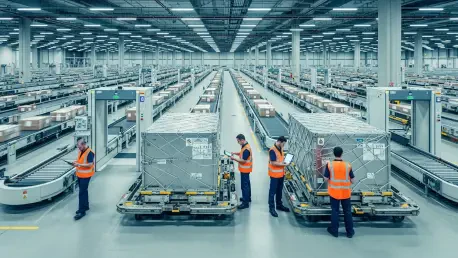

The global air cargo industry stands at a pivotal crossroads where the speed of digital commerce often outpaces the physical capacity of traditional ground infrastructure. Frankfurt Airport, serving as the heartbeat of European logistics, now finds itself at the center of a major shift in how freight is managed and moved. The recent integration of Worldwide Flight Services into the SATS Group represents a significant leap toward unified global service standards. This evolution is not merely about moving boxes; it is about synchronizing complex supply chains through high-precision scanning and automated unit load device systems that define modern warehousing.
Transforming the Global Air Cargo and Ground Handling Landscape
Maintaining fluidity in a crowded marketplace requires more than just space; it demands deep collaboration between forwarders and specialized handlers. This partnership between top-tier players ensures that the logistical nerve center remains unclogged even during peak periods. As global trade becomes more volatile, these alliances provide the necessary stability to keep cargo moving across borders without interruption.
Driving Efficiency Through Specialized Logistics Models
The Rise of E-commerce and Freight Forwarder Handling Innovations
The surge in high-velocity shipments has forced a transition toward dedicated handling divisions designed specifically for the e-commerce era. In Cargo City South, specialized facilities now focus on the granular details of cargo labeling and the consolidation of house airway bills. These operations ensure that shipments are ready for carriage long before they reach the aircraft, drastically reducing the time goods spend sitting in airport warehouses.
Analyzing Market Growth and Capacity Performance Indicators
By expanding to a 24,000-square-meter footprint, the facility now boasts an annual processing capacity of 100,000 tonnes. This scale allows global forwarders like Kuehne+Nagel to outsource labor-intensive tasks, thereby reducing their own operational overhead and focusing on core client services. This model is currently scaling across major European hubs, including London and Amsterdam, to create a standardized cargo corridor.
Navigating the Operational Complexities of High-Velocity Freight
Managing the bottleneck effect during import and export cycles requires a rhythmic approach to transport shuttles and precision logistics. In a tight labor market, automating the recording of weight and dimensions becomes a competitive advantage. This strategy balances the need for rapid clearance with the rigorous physical demands of building up complex cargo loads for different aircraft types.
Governance and Compliance in Modern Aviation Logistics
Adherence to international aviation standards remains the foundation of every successful shipment transfer. Strict security screening and the accurate consolidation of master airway bills ensure that every package meets safety protocols. Regional European regulations also dictate how e-commerce goods move across borders, making compliant ready-for-carriage services a vital component of the modern supply chain.
The Next Frontier of Integrated Air Cargo Solutions
Looking ahead, the industry will likely see a deeper integration of artificial intelligence to optimize warehouse space and predict peak flow periods. Scaling the current handling model across global gateways will create a seamless corridor for international trade. As technology continues to drive competition, the strategic alignment of handling giants will set the pace for infrastructure investment through the end of the decade.
Synergizing Leadership to Reshape European Cargo Throughput
This agreement provided a blueprint for how specialized handling can solve the most pressing challenges of modern aviation. Industry stakeholders recognized that leveraging external expertise was no longer optional for maintaining resilience in a fast-paced market. Ultimately, the successful implementation of these automated systems and dedicated divisions offered a clear path forward for enhancing the global movement of goods.