
The global automotive landscape has shifted fundamentally from physical showrooms to sophisticated digital ecosystems where the path to purchase begins long before a buyer ever touches a steering wheel. CAR Group, formerly known as Carsales.com, has emerged as a central architect in this transition, evolving from its roots as a regional Australian classifieds site into a multi-national powerhouse. By centralizing the fragmented nature of vehicle sales, the organization has redefined how inventory is moved and how consumers evaluate their mobility options across various continents. This transformation represents more than just a change in corporate branding; it signifies a move toward a unified digital infrastructure that supports dealers, private sellers, and commercial buyers simultaneously. As the industry faces new pressures from electrification and shifting ownership models, the group’s ability to provide high-fidelity data and seamless transaction tools has made it an essential intermediary in the modern economy.
Leveraging Network Effects and Value-Added Services
At the heart of the group’s operational success lies the robust application of network effects, which creates a self-sustaining cycle of growth and market dominance. When a platform hosts the largest volume of vehicle listings in a specific region, it naturally attracts the highest number of potential buyers seeking variety and competitive pricing. This surge in consumer traffic creates an unavoidable environment for professional dealerships, who must list their inventory on the platform to remain visible in a crowded market. As more dealers join, the inventory expands further, which in turn draws even more buyers, effectively locking in the platform’s status as the primary destination for automotive commerce. This virtuous cycle has allowed the company to achieve a level of scale that makes it difficult for new entrants to compete, as replicating such a vast and active user base requires immense capital and time. The resulting liquidity ensures that sellers move vehicles faster while buyers find better matches.
To further capitalize on this high-volume traffic, the company has strategically expanded its revenue model beyond the traditional confines of simple listing fees. The integration of a comprehensive suite of value-added services has transformed the platform from a mere advertising bulletin into a full-service transactional ecosystem. Users can now access integrated vehicle inspection reports, direct financing referrals, and sophisticated data-driven valuation tools that provide real-time market insights. These professional services create a “sticky” environment where both private individuals and commercial entities remain within the ecosystem throughout the entire lifecycle of a vehicle transaction. For instance, a dealer might use the platform’s proprietary analytics to price their stock accurately, while a buyer uses the same system to secure an instant loan. This multi-layered approach not only diversifies income streams but also deepens the reliance of the automotive industry on the company’s digital tools.
Pursuing International Diversification and Digital Transformation
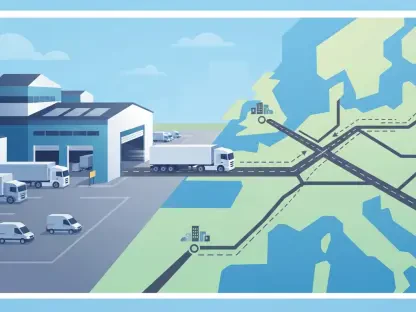
A core pillar of the organization’s long-term strategy involves aggressive international diversification to mitigate the risks associated with regional economic downturns. By acquiring significant stakes or full ownership of market leaders such as Encar in South Korea, Trader Interactive in the United States, and Webmotors in Brazil, the group has established a formidable global footprint. This expansion allows the company to export its proven technological blueprints to diverse markets while simultaneously absorbing unique regional insights that can be applied across its entire network. Operating in different jurisdictions provides a natural hedge against localized volatility in the automotive sector, ensuring that the company remains resilient even if one specific market faces temporary stagnation. Furthermore, this global presence facilitates the sharing of best practices in mobile user interface design, allowing the company to stay ahead of regional competitors by leveraging its vast collective experience.
This international growth is perfectly aligned with the ongoing digital transformation that has completely overhauled how modern consumers approach the car-buying process. Today’s buyers typically complete the vast majority of their research online, utilizing data analytics, virtual tours, and price comparison tools long before they consider visiting a physical dealership lot. The organization supports this behavioral shift by providing dealerships with advanced inventory management software and sophisticated lead-tracking systems that bridge the gap between initial digital interest and the final physical sale. By streamlining the communication between buyers and sellers, the platform reduces the friction traditionally associated with automotive transactions, such as long negotiation periods and opaque pricing. This evolution toward a more transparent and efficient marketplace benefits all participants, as it aligns the expectations of the buyer with the available inventory of the seller.
Fortifying Market Presence: Navigating the Next Phase of Automotive Commerce
Maintaining a competitive advantage in the rapidly evolving digital space requires more than just high traffic; it necessitates the creation of significant barriers to entry. The group has fortified its market position through massive investments in proprietary data and high brand recognition that resonates with millions of users globally. By processing millions of daily interactions, the company generates unique, high-fidelity insights into market trends, consumer preferences, and pricing fluctuations that smaller competitors simply cannot replicate. This data-driven moat is continuously strengthened by ongoing refinements to search algorithms and mobile optimization, ensuring that the user experience remains seamless and intuitive across all devices. Such technological sophistication makes the platform a vital partner for manufacturers and dealers who rely on these insights to make informed marketing decisions. The sheer scale of the data assets gathered over the years provides a predictive capability for the entire global market.
Industry leaders recognized that the path forward required a total commitment to digital transparency and logistical integration to maintain market relevance. They discovered that the most effective next steps involved the implementation of localized delivery networks and the standardization of digital titles to facilitate faster ownership transfers across various regions. Organizations that pivoted toward these solutions successfully minimized the friction of cross-border transactions and set a new benchmark for consumer convenience in the globalized economy. It became clear that the ultimate solution resided in the convergence of financial technology and automotive retail, which provided a seamless bridge for insurance and lending services at the point of sale. These strategic adjustments ensured that the digital marketplace remained the primary engine of global vehicle trade, proving that the move toward a fully transactional model was the only sustainable path for long-term growth.