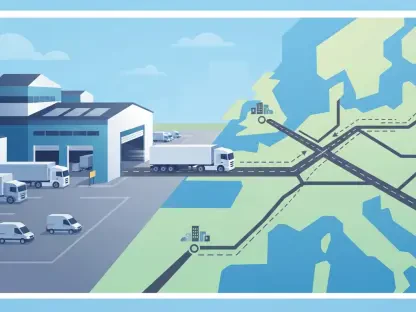

Success in the global digital economy no longer depends solely on having a high-quality product but on the ability to orchestrate that product across dozens of disparate sales channels simultaneously. The modern e-commerce landscape offers unprecedented access to global consumers through a diverse array of marketplaces. However, the ease of plugging in to new channels often masks a grueling reality of backend fragmentation.
To achieve sustainable growth, brands must transition from a strategy of simple addition to one of deep integration, ensuring that front-end visibility is supported by a robust, unified infrastructure. This guide outlines how to navigate the shift from siloed sales to a centralized marketplace ecosystem. Success requires moving beyond surface-level listings toward a model that prioritizes operational fluidity and data integrity across the entire commercial network.
Embracing the Multi-Platform Era Without Losing Operational Control
The proliferation of digital storefronts has transformed the way businesses interact with their global audience. In 2026, the necessity of maintaining a presence on various platforms is undisputed, yet the administrative burden of managing these channels independently often leads to diminished returns. Organizations that thrive are those that view each new platform as an extension of a central core rather than a separate business unit requiring its own isolated resources.
Maintaining control in this multi-platform era necessitates a shift in organizational mindset. Instead of dedicating separate teams to specific marketplaces, a unified approach allows for the streamlining of workflows and the reduction of manual errors. This transition ensures that the brand message remains coherent and that the operational backbone can support rapid scaling without becoming overwhelmed by the intricacies of individual platform requirements.
Why the “Fragmentation Problem” Is the Silent Growth Killer
In the rush to capture market share on platforms like Amazon, Zalando, and TikTok Shop, many brands treat each new channel as an independent island. This additive approach creates a disconnected operational environment where product data, pricing, and inventory are managed in silos. Historically, this has led to the overselling trap and inconsistent brand messaging, which results in lost revenue and triggers marketplace penalties that damage consumer trust.
Understanding that expansion is a supply chain challenge, rather than just a marketing one, is the first step toward long-term success. Fragmentation creates invisible friction that slows down fulfillment and complicates the customer experience. When a business operates without a unified view, the resulting discrepancies in product information or stock levels eventually erode the competitive advantages gained by expanding into new territories.
A Step-by-Step Framework for Centralized Marketplace Management
The core of any successful expansion is a connected digital layer that serves as the single source of truth for the entire organization. This framework focuses on building a foundation that can support diverse sales channels through a centralized management philosophy.
By integrating these disparate threads into a single operational fabric, brands can ensure that every expansion move is backed by data and logistical efficiency. This systematic approach reduces the risk of operational collapse and prepares the business for a more agile response to market changes.
Step 1: Establish a Unified Digital Foundation
Establishing a foundation requires the consolidation of all digital assets into a single management portal. This step ensures that every department works from the same set of data, eliminating the confusion caused by localized spreadsheets or disconnected databases.
A unified foundation acts as the bridge between the physical warehouse and the digital storefront. It provides the necessary visibility to monitor performance across the globe from a single vantage point, facilitating better decision-making and resource allocation.
Synchronize Product Data Across All Touchpoints
Ensure that product descriptions, specifications, and images are consistent across every platform to maintain brand integrity. Inconsistent data confuses customers and can lead to higher return rates or negative reviews that penalize the brand’s ranking.
Standardizing the digital catalog across all touchpoints ensures that every customer receives the same high-quality information regardless of where they choose to shop. This consistency builds long-term brand equity and simplifies the process of launching new products into existing channels.
Implement Real-Time Pricing Adjustments
Use centralized tools to manage price points holistically, accounting for local currencies and platform-specific competition without manual updates. In a fast-moving market, the ability to adjust pricing dynamically across all channels ensures that the brand remains competitive without sacrificing margins.
Automated pricing logic allows the business to react to market shifts instantly. By centralizing this function, the organization avoids the risk of running outdated promotions or failing to account for regional economic changes that could impact profitability.
Step 2: Transition to a Shared Inventory Model
Rigidly allocating stock to specific channels creates stranded inventory, where products sit idle in one warehouse while another channel faces a stockout. This inefficiency limits the potential of high-performing platforms and increases the costs associated with holding excess stock.
A shared inventory model allows for a more fluid movement of goods. By breaking down the walls between channel-specific pools, the business can fulfill orders from a collective stock, ensuring that no customer is turned away while physical items are still available in the network.
Break Down Channel-Specific Stock Silos
Treat the entire inventory as a business-wide asset that can be dynamically deployed to wherever the demand is highest. This approach maximizes the utility of every unit produced and reduces the need for heavy safety stocks in multiple locations.
Siloed inventory is a relic of traditional retail that has no place in a modern omnichannel strategy. Transitioning to a shared pool ensures that the organization remains lean and responsive, allowing stock to flow naturally toward the most profitable opportunities.
Prevent the Risks of Overselling
Implement real-time synchronization to ensure that a sale on one marketplace instantly updates the available stock levels across all other platforms. This immediate feedback loop is critical for maintaining high performance metrics and avoiding the penalties associated with unfulfilled orders.
Overselling is often the result of delayed communication between sales platforms and the warehouse management system. By ensuring that stock counts are updated in milliseconds, the brand protects its reputation and maintains the trust of both the marketplace providers and the end consumers.
Step 3: Leverage Data as a Strategic Feedback Loop
Every transaction and return generates intelligence that should inform the broader business strategy rather than sitting dormant in a marketplace dashboard. Data acts as a compass, guiding the organization toward better product development and more efficient logistics.
Turning raw data into actionable insights requires a centralized analytics engine. When sales signals from all platforms are aggregated, patterns emerge that would otherwise remain hidden within the noise of individual channel reports.
Identify Operational Weaknesses Through Return Patterns
Analyze return data to pinpoint issues such as inaccurate sizing guides or platform-specific description errors. High return rates in specific regions often signal a disconnect between the marketing materials and the physical product delivered to the customer.
Addressing these weaknesses at the source reduces operational costs and improves customer satisfaction. By treating returns as a diagnostic tool, the brand can continuously refine its listings and quality control processes to better align with consumer expectations.
Use Sales Signals for Localized Inventory Allocation
Monitor geographical demand trends to proactively move physical stock closer to high-growth regions, improving fulfillment speed. By anticipating where the next wave of orders will come from, the organization can reduce shipping times and lower transportation costs.
Localized allocation transforms the supply chain from a reactive process into a proactive one. This strategic placement of goods ensures that the brand can meet the increasing demand for fast delivery, which is a primary driver of customer loyalty in the current market.
Step 4: Scale Internationally with a Unified Core
Expanding across borders introduces complexities in consumer behavior and logistics that require a centralized view to manage effectively. Global expansion is not just about translation; it is about localizing the experience while maintaining a global standard of operational excellence.
A unified core provides the stability needed to experiment in new markets without risking the health of the primary business. It allows for the rapid deployment of resources toward successful regions while providing the visibility to exit underperforming markets quickly.
Align Local Expectations with Global Visibility
Adapt to regional fulfillment standards and consumer preferences while maintaining a clear view of the global supply chain. Each market has unique requirements for delivery times and payment methods that must be respected to gain local traction.
Success in international markets depended on the ability to appear local to the customer while remaining globally integrated on the backend. This balance allowed brands to scale rapidly without losing track of their inventory or compromising their financial reporting standards.
Summary of the Integrated Commercial Foundation
Effective marketplace management relied on a few critical pillars. Uniform product data across all digital storefronts ensured a consistent brand experience, while holistic pricing management protected competitiveness. A shared pool of inventory was essential to eliminate stranded stock and maximize sales potential across the entire network.
Furthermore, seamless delivery and return processes served as the final link in the omnichannel chain. The brands that successfully integrated these elements were able to manage complexity rather than being managed by it. This foundation provided the resilience needed to navigate the shifting landscape of global e-commerce with confidence.
Future-Proofing the Supply Chain in an Omnichannel World
As the e-commerce environment becomes increasingly crowded, the competitive advantage will shift from those who have the most listings to those who have the best data integration. Future developments in AI and automated logistics will further reward brands that have already centralized their operations. These technologies require clean, unified data sets to function effectively, making today’s integration efforts the prerequisite for tomorrow’s automation.
Brands that fail to bridge the gap between their sales channels and their backend infrastructure risk being spread too thin, eventually collapsing under the weight of their own unmanaged complexity. The path forward involves constant iteration and the willingness to invest in a technical architecture that prioritizes flexibility and visibility. Staying ahead of the curve means treating the supply chain as a dynamic, digital-first entity.
Building a Scalable Network for Long-Term Success
Marketplace expansion acted as a powerful engine for growth when built on a solid foundation of data and logistics. By treating every new channel as an integrated part of a single commercial operation, organizations turned the challenges of fragmentation into a streamlined, scalable network. The journey toward a more efficient future began with a thorough audit of current inventory visibility and data flow across all active platforms.
Taking the steps to connect digital dots ensured that brands remained profitable and resilient in the global marketplace. The successful organizations of this era recognized that the gap between front-end visibility and back-end stability needed to be closed to sustain long-term relevance. They transitioned from simple sellers to integrated operators, securing their position in an increasingly complex and interconnected digital world.