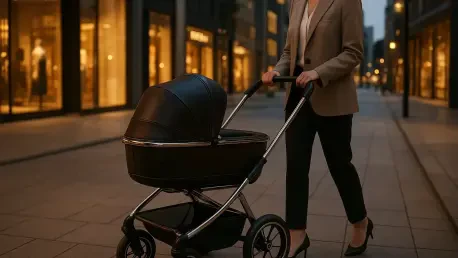

Walking through the sophisticated urban districts of Seoul reveals a striking visual discrepancy where the soft hum of wheels on the sidewalk more often than not belongs to high-end pet carriages rather than infant strollers. This shift in consumption is more than a retail fluke; it represents a foundational transformation in how the modern domestic unit is defined. For the first time, leading digital retail platforms observed that pet strollers accounted for 57 percent of the total stroller market, leaving infant models with a minority share. This statistical milestone serves as a physical indicator of broader socio-economic pressures that are reshaping urban life. As child-rearing becomes increasingly difficult for many, the emotional and financial investment is being redirected toward animal companions. This analysis explores the underlying demographic drivers and economic opportunities arising from this unprecedented cultural pivot.
The Evolution of the Stroller Market and Demographic Context
The rapid ascent of the pet mobility market did not occur in isolation. Just a few years ago, pet carriages represented only a niche segment of the consumer market, primarily utilized for elderly or infirm animals. However, a cultural wave toward pet humanization quickly gathered momentum, transforming pets from utility animals into essential family members. This evolution was accelerated by the increasing number of single-person households and a growing urban population that seeks companionship without the traditional constraints of parenthood.
The current dominance of pet-related sales is the culmination of years of shifting values, where high-end gear once reserved for children is now standard for the modern “pet parent.” As recently as 2021, pet strollers held only a third of the market share, but the gap closed with remarkable speed. This transition suggests that the stroller has become a symbolic object, representing a change in the way households allocate their discretionary income. It is no longer just a tool for transport; it is a signifier of the care and status afforded to the contemporary “fur baby.”
Navigating the Dual Realities of a Changing Nation
The Quantitative Collapse of the Infant Demographic
The collapse of the infant demographic is the most visible catalyst for this retail transition. With a national fertility rate reaching a historic low of 0.72, the consumer base for baby products is physically disappearing. In dense metropolitan centers like Seoul, the rate is even lower, reflecting a systemic aversion to traditional family expansion. High costs associated with housing and private education have created an environment where many young adults view child-rearing as an unattainable financial burden.
This demographic vacuum has forced manufacturers to rethink their target audience entirely. With only 230,000 births recorded recently, the market for infant strollers has naturally contracted, regardless of product innovation. The shift is not necessarily a failure of the baby product industry but a direct consequence of a shrinking population. As the number of children decreases, the infrastructure and market presence of pediatric goods continue to recede from the public eye.
The Rise of the Luxury Pet Economy and Pet Parenting
As the baby market contracts, the pet economy has experienced an aggressive expansion, currently valued at approximately 8 trillion won. This boom is characterized by a “premiumization” of products, where consumers are willing to spend over $1,100 on luxury strollers and climate-controlled carriers. This trend is not merely about utility but about status and the expression of affection. The rising demand for specialized pet services, ranging from gourmet food to medical insurance, demonstrates that pet owners are effectively substituting traditional childcare spending with high-end animal care.
This financial pivot has sustained the retail sector even as traditional demographic growth has stalled. The rise of “pet parenting” as a social identity has normalized the use of strollers for healthy animals in crowded urban spaces. For many consumers, the purchase of a high-end pet carriage is an investment in a lifestyle that prioritizes companionship and mobile convenience. This high level of spending reflects a population that has more disposable income per household member than previous generations.
Deconstructing the Swap Narrative: Social Misconceptions
While it is tempting to view this as a direct exchange of children for pets, the reality is more complex. The statistical crossover in sales is less about individuals consciously choosing a dog over a baby and more about the market filling a vacuum. Economic barriers to marriage and homeownership exist independently of pet ownership; however, pets provide a viable alternative for companionship in a high-pressure society. The intersection of these two trends—a shrinking birth rate and an expanding pet industry—has created a new consumer baseline.
Understanding this distinction is vital for accurate market forecasting, as the growth of the pet sector is a symptom of existing social conditions rather than a cause of the demographic decline. Government officials have occasionally pointed toward the pet industry as a competitor for human affection, yet the underlying issues remain structural. The retail data simply captures the moment when the two lines on the graph finally intersected, marking a new era of household spending.
Future Trends: Urban Lifestyle and Household Consumption
Looking ahead, the pet-centric economy is poised for further sophistication. From 2026 to 2027, the focus is expected to shift toward technological integration, including AI-monitored health trackers and autonomous strollers. As urban infrastructure continues to adapt, there will likely be an increase in pet-friendly public spaces and commercial zones designed specifically for animal companions. This trend is already migrating to other nations facing similar demographic challenges, such as Japan and parts of Europe, where delayed marriage is the norm.
The integration of technology and specialized services will likely solidify the pet industry as a primary driver of domestic consumption for the next decade. We can anticipate the emergence of “pet-first” real estate developments and transport systems that treat animal occupants with the same priority as humans. This evolution will further blur the lines between human and animal infrastructure, creating a seamless urban experience for the modern family unit.
Strategies for Adapting to a New Consumer Landscape
For businesses, the “stroller flip” provides a clear mandate for portfolio diversification. Companies that previously focused on pediatric health are already transitioning their manufacturing capabilities toward the veterinary sector. Retailers should emphasize human-grade quality in pet products to appeal to the deep emotional investment of pet parents. Furthermore, urban planners and real estate developers must prioritize pet-friendly amenities to maintain the appeal of high-density housing in a competitive market.
Adapting to this new landscape requires a total re-evaluation of the domestic life cycle, focusing on longevity and companionship rather than traditional generational growth. Marketing strategies should shift away from the traditional nuclear family model and toward the “diverse household” that includes animals as central figures. Those who successfully pivot their branding to honor the human-animal bond will capture a loyal and growing demographic of high-spending consumers.
Long-Term Implications: A Redefined Family Unit
The analysis determined that the South Korean stroller market provided a definitive case study in demographic-driven retail adaptation. Stakeholders identified that the redirection of capital from child-rearing to pet care was a rational response to systemic economic pressures. Successful corporations implemented strategies that treated pet owners as primary family decision-makers, leading to a surge in specialized luxury goods. It was concluded that the physical shift in sidewalk traffic reflected a permanent change in the social fabric, necessitating a new approach to urban service delivery. Ultimately, the market recognized that the domestic unit had evolved, and those who anticipated this transformation secured a sustainable path forward in a changing world.