
High enrollment numbers in convenience store loyalty programs often provide a misleading sense of success if they fail to translate into consistent customer interaction. For years, the industry relied on simple accumulation metrics, yet modern retail environments in 2026 demand a much deeper connection with the mobile-first consumer. The challenge lies in moving past the ‘ghost member’ phenomenon, where users sign up for a one-time discount and never return. Success today is measured by the frequency of daily visits and the average basket size of identified shoppers rather than the total size of a database. Technology has shifted the focus toward hyper-personalization, where data streams from POS systems and mobile applications converge to create a singular view of the customer. Operators must recognize that a loyalty program is a dynamic ecosystem that requires constant tuning to match the shifting expectations of a workforce that values speed and convenience over any point system.
Real-Time Engagement Strategies
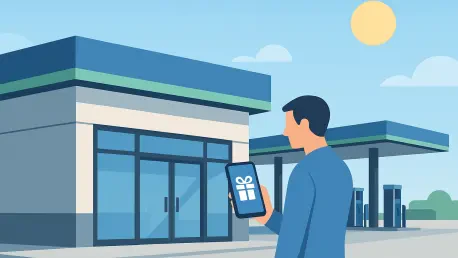
Transitioning from traditional points-based systems to real-time engagement has become the hallmark of industry leaders. Instead of waiting for a monthly statement, customers now expect immediate gratification based on their current context. For instance, a driver pulling up to a fuel pump might receive a notification for a discounted fresh sandwich or a beverage offer, triggered by the time of day and past purchasing history. This level of responsiveness is made possible through integrated cloud platforms that process transactions at the edge, ensuring that the offer reaches the consumer before they even step inside the store. This shift effectively eliminates the friction of decision-making, guiding the shopper toward high-margin items through well-timed nudges. The objective is to create a seamless loop where every visit reinforces the value of the program, transforming a routine stop for fuel into a multi-category shopping experience that benefits the bottom line overall right now.
Beyond individual discounts, the modern approach incorporates gamification and subscription models to foster a sense of belonging. Leading chains have successfully implemented tiered membership levels that reward the most dedicated patrons with exclusive access to premium services, such as priority car wash lanes. These elements tap into the psychological drive for status, making the loyalty experience feel less like a series of transactions and more like a club membership. Furthermore, the integration of third-party delivery services into the loyalty framework ensures that the brand remains relevant even when the customer is at home. By allowing users to earn and redeem points through mobile ordering, stores extend their reach beyond the physical forecourt. This holistic view of the customer journey allows for more accurate demand forecasting, as the retailer can anticipate shifts in behavior before they manifest as lost sales or inventory issues that could hurt the brand image.
Data Analytics for Retention
Artificial intelligence has become the backbone of retention strategies, moving away from broad-spectrum promotions toward predictive modeling. By analyzing data points across thousands of locations, retailers can now identify ‘at-risk’ customers who are showing signs of churn. This allows for the deployment of automated, high-value ‘win-back’ offers specifically designed to re-engage the individual based on their preferred products. Moreover, AI assists in optimizing the product mix at a local level, ensuring that the specific snacks or drinks an individual loyalty member expects are always in stock. This granular level of detail builds trust, as consumers realize that the store understands their specific preferences and life patterns. This data-driven approach also enables more effective partnerships with consumer packaged goods brands. Consequently, the loyalty program becomes a revenue generator not just through direct sales, but through the monetization of first-party data assets.
To achieve these results, successful operators prioritized the removal of technical silos and invested heavily in interoperable software. They moved away from closed-loop systems in favor of open APIs that allowed for rapid integration with new payment methods and social platforms. Management teams focused on training staff to promote the program, ensuring that the digital experience was matched by physical excellence at the store. They analyzed feedback loops and adjusted reward structures to reflect the inflationary pressures affecting consumer spending habits. By shifting the focus to high-frequency habits, these organizations secured a steady stream of recurring revenue. Future success depended on maintaining this agility and exploring biometric authentication to further streamline the journey. The path forward involved a commitment to transparency and data security, ensuring that the relationship between the brand and the individual remained built on mutual value and total trust.