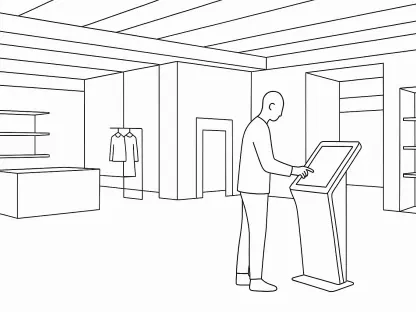

The competitive landscape of modern retail has shifted into a high-stakes arena where the seamless integration of physical and digital spaces determines the long-term survival of legacy brands. Market dynamics are currently defined by the rise of phygital retail, where the boundaries between digital applications and physical storefronts have nearly vanished. Big-box retailers must navigate a complex economic climate that demands both cost efficiency and a premium customer experience. While purely e-commerce platforms offer convenience, market leaders are increasingly differentiating themselves through deep guest engagement that only a physical presence can facilitate. This shift has elevated the importance of human capital and in-store technology as the primary engines of brand loyalty.
The Evolving Landscape of Modern Retail and Omnichannel Commerce
The strategic pivot toward guest-centric operations reflects a broader understanding that retail is no longer merely transactional. Target has recognized that physical stores serve as the heartbeat of the omnichannel ecosystem, acting as distribution hubs, showrooms, and service centers simultaneously. Consequently, the company has prioritized investments that bridge the gap between digital ease and the tactile satisfaction of in-person shopping.
By focusing on the convergence of technology and human interaction, the organization has created a model where digital tools empower rather than replace the workforce. This approach ensures that the storefront remains a destination for discovery, fostering a level of brand affinity that algorithms alone cannot achieve. The commitment to a phygital strategy has effectively repositioned the brick-and-mortar asset as a critical advantage in the battle for consumer attention.
Strategic Shifts Driving the New Era of Customer Satisfaction
Emerging Trends in Consumer Expectations and Retail Labor Management
Consumer expectations have evolved to favor shopping environments that are easy, inspiring, and friendly. To meet this demand, retailers are moving away from administrative-heavy roles toward specialized positions in high-growth sectors such as beauty, apparel, and food. This specialized expertise allows associates to act as consultants rather than just stockers, creating a more personalized interaction for every visitor.
Moreover, the adoption of unified dress codes and employee-centric branding has fostered a consistent professional image that reinforces consumer trust across diverse geographic markets. Reducing administrative friction through data-driven workforce management allows staff to focus entirely on the guest experience. This transition has proven essential for maintaining a competitive edge in an industry where service quality is the primary differentiator.
Quantifying Success Through Performance Metrics and Growth Projections
Quantifiable results from these changes became evident when customer satisfaction scores reached a three-year peak in the first quarter of 2026. This success was backed by a payroll investment exceeding hundreds of millions of dollars to ensure comprehensive store coverage during peak hours. The commitment to localized store presence has allowed the brand to maintain high engagement levels even as competitors pull back on physical investments.
The long-term return on investment for the one hundred million dollars allocated to training 350,000 associates is expected to manifest in higher conversion rates and increased basket sizes. Financial projections indicate that these upfront costs will be offset by improved operational efficiency and a decrease in employee turnover. As the company continues to analyze these performance metrics, the correlation between workforce investment and revenue growth remains a central pillar of the corporate strategy.
Navigating the Operational and Logistical Hurdles of Retail Transformation
However, transforming a workforce of such massive scale involves significant logistical complexities and retraining requirements. Upgrading legacy systems to the myDay mobile platform required a strategic approach to manage technical debt while minimizing disruption to daily operations. Retraining hundreds of thousands of people requires a standardized yet flexible curriculum that can be adapted to various store formats.
Balancing the rising costs of store labor against the persistent pressures of retail margin compression remains a primary challenge for executive leadership. Maintaining a cohesive brand identity across 2,000 unique locations requires a delicate mix of centralized policy and localized execution. Despite these hurdles, the focus on streamlining store-level logistics has allowed for a more agile response to changing consumer behaviors and inventory needs.
Governance, Compliance, and the New Standards of Workforce Technology
Navigating labor laws and fair scheduling regulations has become more manageable through the implementation of automated workforce management systems. These platforms allow for transparent shift swaps and mobile-first scheduling, which are critical for employee retention in a competitive job market. By automating these processes, the organization has reduced the likelihood of compliance errors and improved the overall work-life balance for its associates.
Simultaneously, data privacy remains a priority as mobile applications handle sensitive employee information and performance metrics. The appointment of a Chief Marketing and Guest Experience Officer has standardized these corporate policies, ensuring that performance tracking remains ethical and aligned with broader brand goals. Manager dashboards now aggregate data in a way that facilitates coaching rather than just monitoring, promoting a culture of continuous improvement.
The Road Ahead: Innovations Defining the Future of the Guest Journey
The integration of Target+ and the Roundel media network will likely create a more unified commerce ecosystem where advertising and fulfillment work in tandem. Predictive scheduling powered by artificial intelligence is slated to further optimize labor allocation from 2026 to 2028, ensuring that staff levels match real-time shopper traffic. These innovations are designed to make the shopping experience more intuitive and responsive to individual guest needs.
Specialized studio experiences will redefine the physical store as a destination for discovery rather than just a place for pickup. These executive shifts indicate a permanent transition toward operational models that prioritize the guest journey above all else. By blending high-tech predictive tools with high-touch service, the company is setting a new standard for what a modern retail destination should provide.
Synthesizing the Impact of Target’s Operational Excellence
Target’s operational excellence demonstrated that the synthesis of employee empowerment and guest satisfaction served as the primary engine for sustainable growth. This data-driven strategy provided a blueprint for an industry struggling to balance digital expansion with human connection. Decisions to invest in specialized training and mobile integration proved to be more effective than traditional cost-cutting measures.
Moving forward, the focus shifted to sustaining this momentum through continuous technological and cultural evolution, ensuring the brand remained resilient against market shifts. The successful transition confirmed that the most effective way to secure market share was to invest in the people who represented the brand on the front lines. Retailers who adopted similar guest-centric frameworks found themselves better positioned to navigate the complexities of the modern economy.