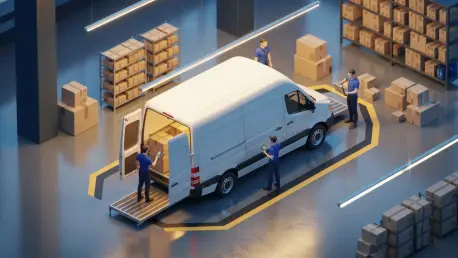

While global retailers have successfully optimized the digital click and the automated warehouse, the actual moment of delivery remains a raw, unpolished point of friction that can either cement or shatter a consumer’s loyalty in seconds. The modern retail scope has transitioned from physical storefronts to a complex, omnichannel ecosystem where the storefront is no longer a destination but a distribution node. In this environment, top-tier market players are forced to balance high-tech backend systems with high-touch frontend delivery to ensure the brand promise remains intact until the very end.
The weight of the final touchpoint has increased significantly as the doorstep becomes the most critical segment in the consumer lifecycle. Technological influences have saturated the purchase phase, making frictionless checkout a standard requirement rather than a competitive advantage. This leaves the physical interaction as the remaining area for differentiation, where a human ambassador can provide a level of service that an algorithm simply cannot replicate.
The Evolving Landscape: Global Retail and the Rise of the Last Mile
The transition toward digital commerce has created an environment where the physical store is no longer the primary site of social interaction between a buyer and a brand. Instead, the warehouse and the delivery vehicle have become the functional equivalents of the traditional retail floor. This shift requires a fundamental reconsideration of how value is delivered, moving away from volume-based logistics toward a specialized service-oriented mindset.
The rise of the last mile has exposed the inherent limitations of traditional freight models that treat expensive consumer goods like generic bulk cargo. As consumers demand more than just logistical speed, the quality of the interaction becomes the primary driver of overall satisfaction. Retailers are now recognizing that the person delivering the package is often the only human face the customer associates with their purchase experience.
Navigating the Intersection: Behavioral Science and Digital Transformation
Psychological Drivers: The Shift Toward Human-Centric Experiences
The peak-end rule in behavioral science suggests that customers judge an entire experience based on its most intense emotional moment and its conclusion. In the context of retail, the delivery is that critical conclusion, often carrying more psychological weight than the preceding hours of browsing or the seconds spent on payment. If the delivery is handled with visible care and professionalism, it can effectively erase minor digital frustrations that occurred earlier in the journey.
In contrast, a purely transactional approach to the final mile risks falling into a commodity trap where price is the only variable. When technology makes every website feel functionally identical, human empathy becomes the new premium offering for high-growth brands. Consumers are increasingly prioritizing respect and social trust over the sheer velocity of a shipment, seeking out brands that treat their homes with care.
Measuring the Impact: High-Touch Service on Market Performance
Market projections for specialized delivery services indicate a massive surge in demand for white-glove options that go beyond the curbside drop-off. These services include in-home installations and real-time problem solving, providing a level of utility that a standard courier service cannot provide. Data reveals that these high-touch interactions correlate directly with higher brand advocacy and lower rates of buyer’s remorse.
Investing in human ambassadors also makes a strong financial case by reducing the long-term costs associated with product returns and customer churn. High-quality delivery professionals can prevent returns by ensuring items are set up correctly and any technical questions are answered on-site. This proactive approach ensures that the cost of quality delivery is offset by the lifetime value of a loyal, satisfied customer.
Overcoming the Friction Points: Post-Purchase Logistics
Treating products as cargo rather than a continuation of the brand story is a common mistake that creates significant friction in the consumer journey. When a luxury item is handled without care, the premium promise made on a high-end website is instantly devalued by the reality at the door. Bridging the digital-physical gap requires ensuring that the elegance of the online interface is matched by the professional conduct of the person delivering the goods.
The complexity of in-home service adds another layer of logistical and social obstacles that require high-level training and reliability. Professionals must navigate private spaces while maintaining social trust and solving real-time problems like assembly errors or damaged packaging. Success in this area requires a robust network of delivery experts who act as true brand ambassadors rather than anonymous third-party contractors.
Integrity and Trust: Physical Brand Ambassadorship
Navigating the regulatory landscape of in-home services is essential for maintaining consumer protection and data privacy standards. As professional ambassadors enter the private homes of customers, security and compliance become the absolute bedrock of the business relationship. Rigorous background checks and strict professional standards are no longer optional but are fundamental requirements for operating at the doorstep in a modern economy.
The ethical dimension of personal data management must also be balanced with the physical safety of the interaction. While predictive logistics use artificial intelligence to anticipate consumer needs, the actual physical interaction must remain a secure and private experience. Maintaining this balance ensures that customers feel safe and respected, which is the only way to build a reliable network of repeat buyers.
The Future of Commerce: Where Algorithms Meet the Doorstep
Artificial intelligence has undeniable benefits for inventory management, but it faces a social trust gap that technology cannot bridge. Algorithms are unable to replicate the physical nuance of a delicate installation or the empathy required when a customer is clearly dissatisfied with a product. Human presence remains the only effective way to navigate the social subtleties of a physical hand-off in a domestic environment.
Emerging disruptors are already moving toward hyper-personalized service as a way to redefine competitive advantage in a crowded market. Global economic shifts suggest that consumers will favor brands that provide tangible, value-added experiences rather than just low prices. As the market matures, the integration of professional assembly and human care will become the standard expectation for all high-value retail sectors.
Reclaiming the Customer Journey: Purposeful Human Interaction
The analysis concluded that the human element was the most potent tool for building lasting customer loyalty in an increasingly automated world. While digital tools provided operational efficiency, it was the physical interaction that fostered the deep emotional connections necessary for long-term growth. Organizations that treated delivery drivers as primary marketing assets achieved a significantly stronger market position than those who viewed them as overhead costs.
Strategic recommendations suggested that retailers shifted their investments from digital optimization toward last-mile excellence to capture the final frontier of the consumer experience. Leaders in the industry recognized that the doorstep was the final opportunity to prove brand value and integrity. By prioritizing human care and purposeful interaction, businesses established a legacy of trust that successfully navigated the evolving demands of the modern marketplace.