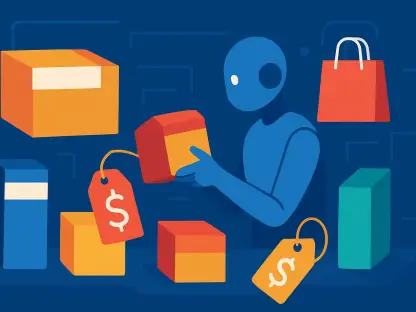

The inherent cultural value of branded objects like original sticky notes and postcards allows Coca-Cola to drive repeat sales without needing to market items as high-cost luxury goods. By leveraging the immense cultural capital of global icons like V, the brand has successfully transitioned from passive television advertising to a high-engagement digital-to-physical retail reward system. This 2026 initiative moves beyond the standard practice of airing celebrity commercials by integrating a sophisticated ecosystem that incentivizes consistent consumer behavior. Shoppers are no longer merely viewers; they become active participants in a digital journey that connects their mobile devices directly to the retail shelf. This strategy bridges the gap between entertainment consumption and retail participation, ensuring that the brand remains a constant presence in the daily lives of consumers. The primary objective is to transform a momentary celebrity appearance into a sustained loyalty program that produces measurable growth and deepens the emotional connection between the iconic brand and its diverse fanbase across Japan.
Strategic Implementation: The Receipt Engagement Loop
The core of this retail promotion is a structured participation mechanic designed to create a repeated shopping ritual among the target audience. Rather than a simple one-off giveaway, the campaign requires consumers to accumulate digital entry seals by purchasing eligible Coca-Cola products and uploading their receipts. This process is streamlined through a LINE-based flow, where shoppers photograph their proof of purchase to be validated and converted into digital currency within a dedicated campaign microsite. By tying the reward directly to accumulated purchase evidence, the brand ensures that every bottle sold contributes to a larger narrative of consumer engagement and fan participation. This digital infrastructure allows for a seamless transition from the physical retail environment to the digital rewards space, providing a frictionless experience for the user. Consequently, the campaign maintains high visibility on mobile devices, turning every shopping trip into an opportunity for digital brand interaction and progress toward a goal.
The flexibility of the receipt acceptance policy ensures that the barrier to entry remains low while the incentive to return to the retail shelf remains high. Receipts are accepted from a vast array of sources, including convenience stores, supermarkets, drugstores, discount outlets, and even e-commerce platforms, covering nearly every possible point of purchase. This comprehensive coverage ensures that the campaign is accessible to all demographics, regardless of where they choose to shop. By facilitating such a wide participation trail, Coca-Cola keeps the brand top-of-mind over a multi-week period, which is a significant improvement over traditional ad flights that often lose impact once the media buy ends. This strategy encourages shoppers to habitually reach for a specific beverage, knowing that each purchase brings them closer to exclusive rewards. The ritualistic nature of the campaign fosters a sense of consistency, transforming a mundane commodity purchase into a rewarding consumer activity that reinforces brand preference through repeated action.
Emotional Resonance: The Value of Collectibles
A significant finding in the analysis of this campaign is the clear distinction between standard price-based incentives and the high emotional value of collectible-based rewards. While typical discounts or coupons reduce the cost of a product for the consumer, they rarely change the individual’s long-term emotional relationship with the brand or create lasting loyalty. In contrast, the V-linked collectibles, such as original sticky notes and postcards, function as meaningful memorabilia for a dedicated audience. For a passionate fanbase, these branded objects possess a unique cultural resonance that far exceeds the actual manufacturing cost of the items themselves. Coca-Cola has strategically utilized this emotional weight to drive volume, recognizing that fans are often motivated by the desire to own a piece of a larger cultural phenomenon. This approach turns a basic commodity purchase into an emotional investment, where the physical product serves as a tangible link to a celebrity icon, elevating the brand choice into a lifestyle-aligned accessory.
To further enhance the perceived value of these items, the brand has employed scarcity tactics and exclusivity as primary drivers of consumer urgency. By publishing exact winner counts, such as the fifteen thousand winners designated for the sticky note rewards in the second phase of the promotion, the brand creates a competitive environment that encourages immediate action. This sense of urgency is vital in a crowded retail landscape where consumers are bombarded with endless options. The limited nature of the prizes ensures that they remain highly sought after, maintaining interest throughout the duration of the campaign. This strategy effectively turns a common beverage purchase into a high-stakes entry for a limited-edition brand artifact. By carefully managing the supply of these rewards, the brand sustains a level of excitement that a general discount simply could not provide. The result is a consumer base that is more engaged, more likely to make repeat purchases, and more personally invested in the success of the promotional cycle.
Tiered Incentives: Data-Driven Retail Outcomes
The 2026 campaign utilizes a two-tiered motivation system to appeal to different market segments simultaneously. The first tier targets the core fandom, requiring a higher level of commitment where fans must collect multiple digital seals to enter draws for exclusive physical merchandise. This tier directly drives sales volume by incentivizing bulk or repeated purchases from dedicated consumers. Simultaneously, the second tier targets the general consumer who may not be part of the core fanbase but seeks pragmatic value. For this audience, the campaign offers one-seal entries for digital points redeemable on popular payment platforms like PayPay or Rakuten. This hybrid structure ensures that the promotion remains relevant to a wide demographic, providing something of value for both the emotional collector and the practical shopper. By catering to both groups, the brand maximizes its reach and ensures that the campaign does not alienate casual buyers, maintaining interest across the entire spectrum of shoppers over many weeks.
In conclusion, the partnership between Coca-Cola Japan and V established a new standard for integrating celebrity influence into a data-driven retail framework. The project moved away from traditional passive advertising and developed a more interactive relationship with the consumer base. This campaign utilized a tiered reward system that effectively balanced the emotional needs of superfans with the practical desires of general shoppers. Marketers observed that physical collectibles held a unique power to drive repeat purchases when combined with scarcity and phased rollouts. Future strategies were advised to focus on creating these seamless digital-to-physical loops that provided clear value to the consumer while generating trackable data for the brand. Actionable steps for other companies included the adoption of multi-phase cycles and the use of widely used messaging platforms to reduce friction in the loyalty process. Fandom, when channeled through structured retail mechanics, became a predictable engine for growth.