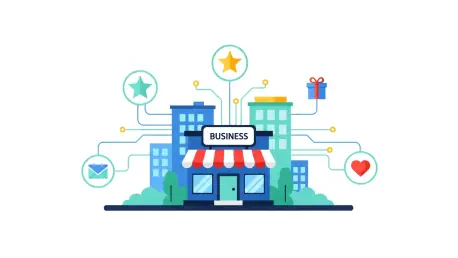

The rapid democratization of sophisticated marketing technology has fundamentally altered the competitive landscape for local brick-and-mortar retailers attempting to secure a stable foothold in the current digital economy. What was once considered an expensive luxury reserved for global corporations has evolved into a baseline expectation for shoppers who demand more value from every transaction. Small businesses are increasingly abandoning antiquated marketing methods in favor of structured loyalty programs that leverage data-driven insights to foster genuine brand affinity. This shift is primarily fueled by the realization that customer loyalty is not merely a byproduct of good service but a strategic asset that must be actively managed and cultivated. As digital platforms become more accessible and cost-effective, even the smallest independent shop can now deploy automated systems that rival the complexity of major national chains. By integrating these solutions, entrepreneurs can move beyond the volatility of one-off sales and focus on building a resilient customer base that supports long-term sustainable growth in an increasingly crowded and noisy marketplace.
Navigating Shifts in Consumer Purchasing Behavior
Rising inflation and fluctuating economic conditions from 2026 to 2028 have significantly influenced the way average consumers approach their discretionary spending habits. Shoppers are no longer satisfied with traditional savings methods such as buying in bulk or hunting for paper coupons; instead, they are prioritizing loyalty rewards that provide immediate relief for daily living expenses. This behavioral shift suggests that loyalty programs have transitioned from being a tool for occasional perks to a necessary financial management strategy for many households. Consequently, small businesses that fail to offer a tangible return on investment for their customers risk losing them to competitors who provide clear, consistent rewards. The modern consumer is remarkably adept at calculating the long-term value of their patronage, often choosing where to dine or shop based specifically on the strength of the loyalty incentives provided. This requires a rethink of how businesses present their value, moving away from simple discounts toward a more holistic approach that respects the financial realities of their audience.
With the average consumer currently enrolled in multiple loyalty programs across various industries, the challenge for small businesses lies in breaking through the saturation to maintain relevance. Simply having a program is no longer a differentiator; the rewards must be specifically tailored to the unique preferences and lifestyles of the local community to be truly effective. Successful entrepreneurs are those who go beyond generic point systems to offer experiences or benefits that resonate on a personal level, such as early access to new products or community-exclusive events. This level of customization helps a small brand maintain a distinct identity while providing the functional benefits that customers expect in the modern era. By carefully observing purchase patterns and listening to direct feedback, businesses can refine their offerings to ensure they remain the primary choice for their target demographic. Standing out in a crowded market requires a balance of transparency and generosity, ensuring that every interaction feels like a step toward a meaningful, mutually beneficial relationship rather than just a cold business transaction.
Maximizing Financial Stability Through Retention Strategies
The fundamental economic logic behind investment in loyalty infrastructure rests on the well-documented fact that retaining an existing customer is significantly cheaper than acquiring a new one. Marketing budgets for small businesses are often limited, making the high cost of digital advertising and broad outreach programs difficult to sustain over time without a guaranteed return. Retention strategies, however, focus on increasing the lifetime value of current patrons, who are statistically more likely to try new offerings and spend more per visit than first-time shoppers. A modest five percent increase in customer retention can potentially lead to a substantial surge in overall profitability, as it creates a predictable and recurring revenue stream that buffers the business against seasonal downturns. Furthermore, loyal customers often act as unofficial brand ambassadors, providing word-of-mouth recommendations that carry more weight than any paid promotion. This organic growth engine allows businesses to scale more efficiently by focusing their energy on the individuals who have already demonstrated a commitment to the brand.
Beyond immediate financial gains, modern loyalty programs serve as a critical gateway for collecting high-quality first-party data that can inform every aspect of business operations. In an era where third-party tracking is becoming increasingly restricted and less reliable, having a direct line of communication and a clear view of customer habits is an invaluable competitive advantage. Business owners can utilize this information to move away from generic marketing assumptions and toward precision-targeted campaigns that speak directly to individual needs. For instance, knowing that a specific segment of the audience prefers weekend purchases allows for the timing of promotions to maximize impact and reduce waste. This data-driven approach transforms the relationship between the seller and the buyer from a series of disconnected events into a continuous conversation where the business anticipates needs. By analyzing redemption rates and product preferences, owners can optimize their inventory levels and staffing schedules, ensuring that resources are allocated where they will generate the highest engagement.
Strategic Oversight and Practical Application
The shift toward structured retention systems provided a clear path for small businesses to navigate the complexities of the modern retail environment. Entrepreneurs who successfully integrated these programs moved away from reactive marketing and instead utilized data to anticipate consumer needs. This proactive stance helped stabilize revenue and fostered a loyal community that remained resilient despite economic fluctuations. Future success relied on the ability to balance technical efficiency with a personalized touch that maintained the unique character of the local brand. Leaders in the industry emphasized that the most effective loyalty strategies were those that viewed the customer relationship as a long-term investment rather than a series of short-term gains. By focusing on transparency and value, businesses ensured their survival and growth in an era defined by high consumer expectations. These initiatives ultimately proved that even a modest operation could leverage sophisticated tools to build a lasting competitive advantage. Moving forward, the focus shifted toward refining these digital interactions to ensure they felt human and authentic.